
Last updated November 25, 2026
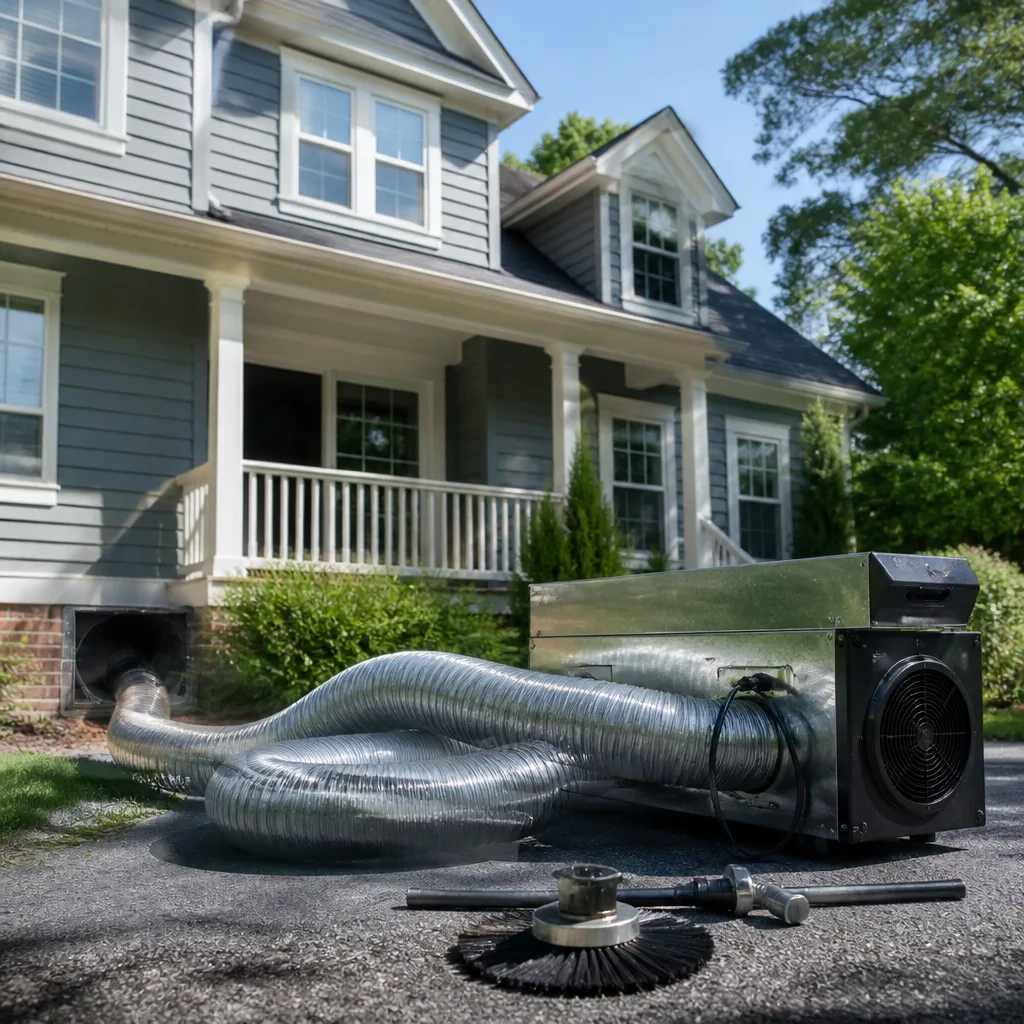 Whole-home duct cleaning
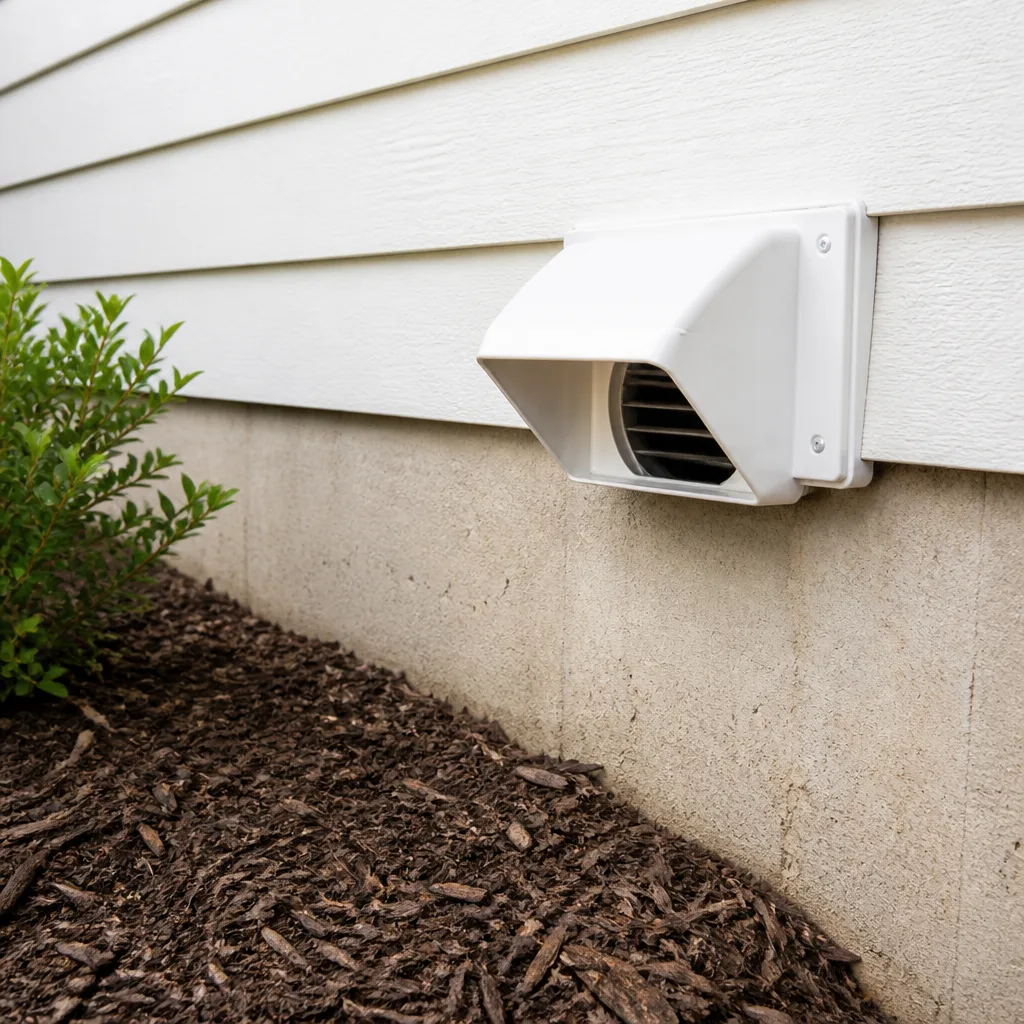 Dryer vent cleaning
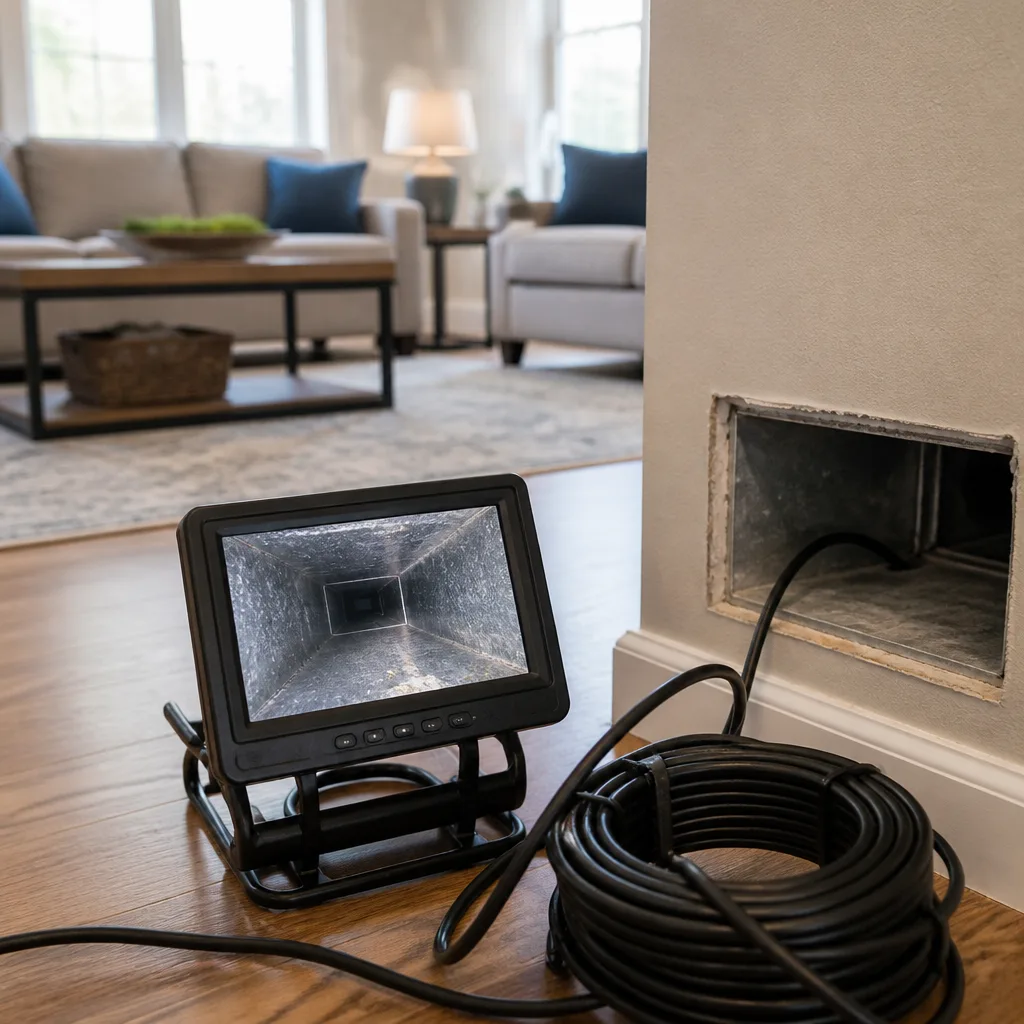 Camera inspection
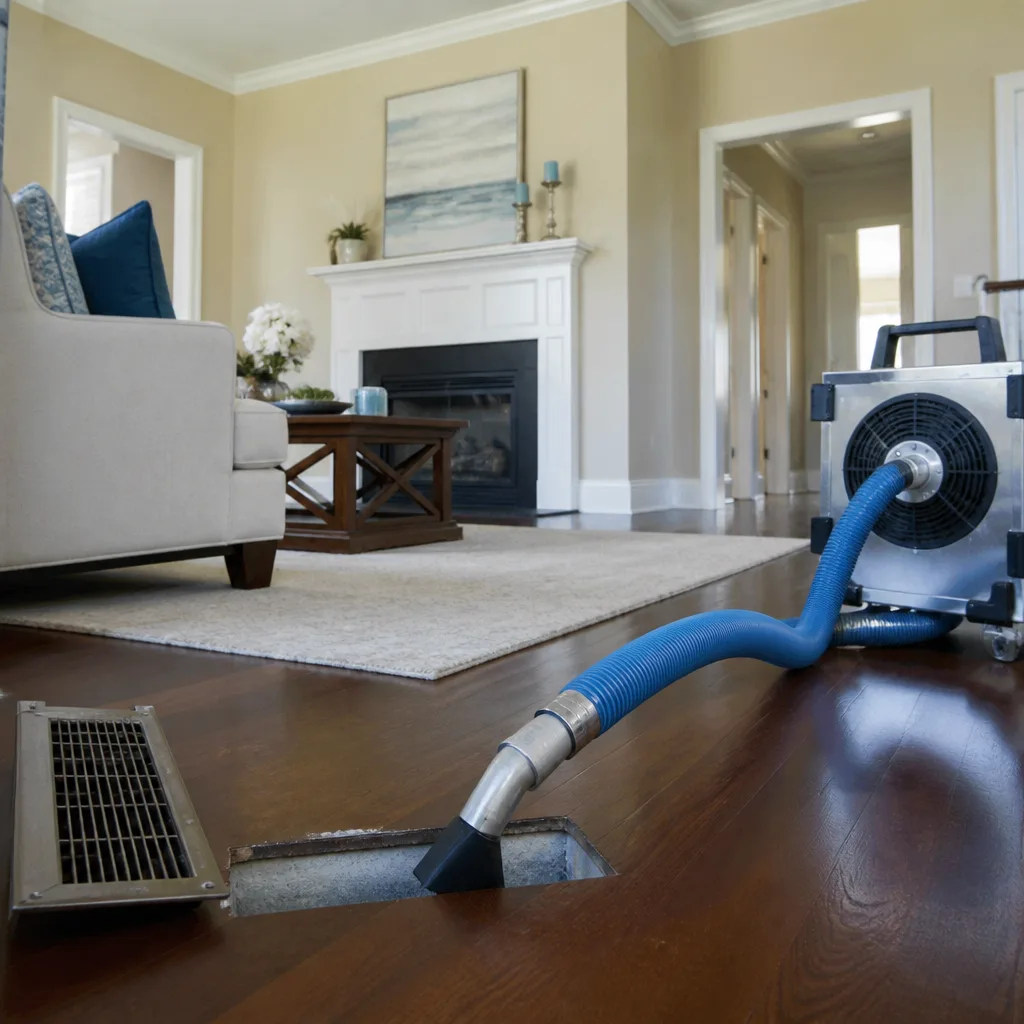 Sanitizing & deodorizing
Whole-system duct and dryer vent check with before-and-after photos - you see exactly what came out of your vents
That "$99 whole-house special" is a bait ad - the real number appears once they are in your hallway, or the "clean" is a shop-vac at the register. We photograph the inside of your ducts before and after instead.
Choosing the Right Air Duct Cleaning Brand: A Buyer’s Guide for Midtown
Most people choose a duct cleaning company the way they choose a restaurant: by whichever name they’ve seen the most. That’s the wrong instinct entirely. In Georgia, air duct cleaning has no universal licensing requirement, which means the barrier to entry for a new operator is a van, a business card, and a phone that rings. The real differentiator isn’t the logo on the side of the vehicle. It’s the equipment manifest and whether the technician on the phone can explain what each machine does without flinching. This guide walks through how to run that audit in Midtown, from negative air machine specs to reading reviews with a skeptical eye to the documentation a credible company hands you when the job is done.
Quick Answer
The best air duct cleaning company in Midtown is the one that can name its equipment, explain its negative air machine’s CFM and filtration class, show before-and-after camera footage of your own ducts, and handle the whole air pathway rather than a single vacuum pass. Ask technical questions before you book. A company that answers cleanly is worth hiring. A company that deflects into price talk is telling you something.
Styles & brands we work with
- Whole-home duct cleaning
- Dryer vent cleaning
- Camera inspection
- Sanitizing & deodorizing
Table of Contents
- Is Air Duct Cleaning Licensed in Georgia?
- How Do You Audit a Company’s Equipment Claim?
- What Does NADCA Membership Actually Verify?
- Why Does Full-System Capability Matter?
- How Do You Read Reviews Like an Informed Buyer?
- What Documentation Should You Get After the Job?
- Where Does HVAC Cleaning Fit In?
- What Happens When Ducts Are Damaged?
Is Air Duct Cleaning Licensed in Georgia?
Georgia has no universal statewide license for air duct cleaning. That’s the fact most homeowners never hear, and it reframes the whole buying decision. A permit is generally tied to the building work itself, not to the duct cleaning, so the person vacuuming your ductwork may hold no credential at all beyond a business registration. In our experience working Midtown homes and property-managed buildings, the pre-screening burden falls almost entirely on the customer. What fills the gap isn’t a certificate on the wall. It’s process transparency.
When licensing is absent, credible operators tend to do three things on their own initiative:
- They list their equipment by brand and model rather than calling it “professional-grade.”
- They describe containment, meaning how they keep dust from spilling back into your living space during the job.
- They put the scope in writing, before the technician arrives or at minimum before any work begins.
Ask a prospective company what happens if a brush dislodges a pile of debris and the vacuum can’t keep up with it. A licensed plumber would never get flustered by a question about their pipe wrench. A serious duct cleaner should answer a question about their machine the same way. If the response is a shrug or a redirect to price, you have your answer.
Midtown’s housing stock adds a wrinkle. Older multi-unit conversions and mid-century single-family homes around the neighborhood often have duct runs woven through tight interior walls, and a technician who doesn’t understand the building type can do real damage. That makes the pre-screening step more than a formality. It’s due diligence.
How Do You Audit a Company’s Equipment Claim?
Ask two specific questions: What is the make and model of your negative air machine, and what is its rated CFM and filtration class? A serious operator will know both without checking a binder. CFM stands for cubic feet per minute, and it’s the measure of how much air the unit can pull through your system. Filtration class tells you how well the machine traps what it pulls. Together they determine whether the job is actually a cleaning or a dust redistribution.
Our own platform is built around Rotobrush rotary brush systems and Nikro HEPA-vacuum equipment, and we use Abatement Technologies air filtration gear on jobs where containment matters most. We cite those names because they’re checkable. You can look up what each one does, how it’s rated, and whether it’s suited to your building. That’s the point. A company that names its equipment is inviting you to verify the claim. A company that only says “state-of-the-art” is hiding behind an adjective.
Here’s a workable sequence for evaluating any claim you’re given:
- Ask for the negative air machine brand and model, in writing if needed.
- Look up its rated CFM and filtration class; HEPA filtration is the standard for genuine containment.
- Ask what kind of agitation they use, since vacuum alone can’t loosen debris adhered to duct walls.
- Ask what contains the dust at registers and at the unit during the job.
- Ask how they verify airflow before and after, since a real cleaning should show a measurable change.
Rotary brush agitation matters because duct surfaces hold onto debris that a vacuum-only pass slides past. A brush system reaches the walls of the run. A vacuum-only operator is, in effect, skimming. If a company cites consumer-grade shop vacuums as their primary tool, that tells you everything. For a deeper look at what a full cleaning involves here, our page on air duct cleaning covers the process.
What Does NADCA Membership Actually Verify?
NADCA, the National Air Duct Cleaners Association, is a trade body. Membership signals a commitment to training and to published standards, not a government license. That distinction matters a lot in Georgia, where no state credential exists. NADCA membership is worth something. It’s just not the same thing as a license, and treating it as one will lead you to the wrong conclusions about what a member company has and hasn’t proven.
What a NADCA commitment does suggest, on a fair reading:
- The company has chosen to hold itself to a published standard for how duct cleaning should be done.
- The technician has likely been trained against that standard rather than picked up the trade on the job.
- The company is signaling that it treats this as a profession, not a side hustle.
What it does not verify:
- That the specific technician arriving at your Midtown home has passed any exam.
- That the company’s equipment is up to standard; membership doesn’t audit the truck.
- That the price you’re quoted will hold once work begins.
Ask directly whether the person coming to your home is the same person who holds that training commitment, and ask what equipment they’ll be using. In practice, the most trustworthy signal is a short, specific answer to both. If the response is a story about the company’s history, you’ve learned the company has rehearsal, not depth.
We mention NADCA standing because it’s a real part of the evaluation picture. It just sits alongside equipment verification rather than replacing it. The buyer who treats membership as a check-box has skipped the more important question. The buyer who treats it as one signal among several gets the full picture.
Why Does Full-System Capability Matter?
A duct run isn’t a standalone product. It’s one component in an air pathway that includes the HVAC unit, the coil, the dryer vent, and the seals that hold the whole assembly together. A contractor who only cleans ducts understands ducts in isolation. A contractor who handles cleaning, HVAC work, dryer vent cleaning, sanitizing, and repair understands how a dusty coil loads up a filter, how a leaking seal saps airflow, and how a neglected dryer vent turns into a safety risk. That broader understanding is the thing to screen for, and it’s why we frame our work as the entire air pathway rather than a single vacuum pass.
Full-system capability shows up in several practical ways:
- Coil condition: A contractor who cleans coils knows that a dust-loaded coil forces the system to work harder and holds debris against the ductwork downstream.
- Dryer vents: A company that treats dryer vents as a dedicated service, rather than an afterthought, is one that understands the fire-safety side of the trade. See our page on dryer vent cleaning for the specifics.
- Sealing and repair: Most cleaners stop at vacuuming. Damage that undermines efficiency is left in place. A contractor who repairs what they find closes that gap.
- Air quality products: Companies set up to recommend and install filtration add-ons like Honeywell and Aprilaire systems can turn a cleaning into a lasting improvement, not just a one-time reset.
In Midtown’s mix of older conversions and newer buildings, the air pathway matters because the systems were often modified over decades. A run that one contractor cleaned without ever checking the unit’s coil or the seals might have been recontaminated the first time the system ran. Hiring a single company that audits the whole pathway, rather than coordinating three contractors who each work in a silo, is the more reliable approach.
How Do You Read Reviews Like an Informed Buyer?
Look for reviews that mention equipment, process, and documentation, not just stars. A review that says the technician brought a rotary brush system and showed the homeowner footage of the ducts before and after is describing an informed customer observing the actual work. A review that says “great service, highly recommend” could have been written about a mechanic or a moving company. The detail is what carries weight, and specific reviews are the ones to sort to the top.
Here’s the pattern the informed reviews tend to follow:
- Equipment specifics: Brand names, tool types, or a description of the machine that was used.
- Process details: Where the technician set up containment, how long the job took, what they checked before starting.
- Documentation: Before-and-after photos, camera footage, or readings the company provided afterward.
- Honest scope: A review that mentions the company told them a service wasn’t needed is far more useful than one that gushes about an add-on sale.
Read for the negative reviews too, but for a specific reason. Complaints about a bait-and-switch price, a technician who couldn’t explain the equipment, or a job with no follow-up documentation all tell you something structural. Complaints about a scheduling mix-up tell you almost nothing. Sort the signal from the noise.
In a city the size of Midtown, a company with a confident reputation will have reviews that talk about the work. The strongest letters-of-reference a duct cleaner can get are the ones that name their equipment unprompted. That’s when you know they did real work and explained it well enough to stick.
What Documentation Should You Get After the Job?
A credible cleaning ends with a file, not just an invoice. You should walk away with before-and-after camera footage or stills of your own ducts, airflow readings taken before and after, and a written confirmation that the scope you were quoted is the scope that was done. If a company can’t provide these, either the job wasn’t done to a verifiable standard or the company doesn’t track its own work. Either one is a problem.
The specific documents to ask for at the time of booking:
- Before-and-after footage. A camera run through the ducts on arrival and again after cleaning. This is the single most important piece of evidence. Guessing at results is for the customer, not the contractor.
- Airflow readings. Static pressure or airflow measurement at the registers and the unit, taken both before and after. A real cleaning changes what the system can move.
- Written scope confirmation. A line-by-line match between what was quoted and what was actually done, signed off by the technician.
- Any findings on damage. If the ducts are damaged or the seals are compromised, you should have a written note of what was found, even if you don’t authorize repair on the spot.
In our experience, the companies that push back on a documentation request are the same companies that weren’t going to produce it. The ones that expect to be asked will offer it up front. Before-and-after photos of your own ducts are standard on our jobs, and the written estimate sets the final price so that the invoice matches the scope. Those two standards alone eliminate the bait-and-switch most buyers fear.
Where Does HVAC Cleaning Fit In?
The HVAC unit is the engine that drives the whole system, and it’s routinely left out of duct cleaning quotes. Cleaning the ducts without cleaning the unit is like changing the filter on a car that’s never had the oil drained. The coil, the blower, and the interior of the air handler all accumulate debris over time, and when they do, the system works harder and the cleaned ducts pick up new dust on the first cycle. With the right equipment, an HVAC cleaning can be done on the same visit as the ductwork.
What a proper HVAC cleaning should cover:
- The evaporator coil, which is where condensation and dust combine into a smear that chokes airflow.
- The blower wheel and housing, where debris throws off balance and reduces efficiency.
- The interior of the air handler, where dust insulates surfaces that should be able to shed heat.
- The drain pan and condensate line, where standing water feeds biological growth.
In Midtown’s climate, where the cooling season stretches long and the air is humid through much of the year, coils stay damp. That makes the coil the growth point for the musty smell many homeowners mention. Cleaning the ducts and skipping the coil leaves the source in place. Our HVAC cleaning page covers what the unit work involves and how it coordinates with a duct cleaning. If the two are split between two contractors, nobody owns the result. If both are done by the same company, they can be sequenced properly and verified in the same visit.
What Happens When Ducts Are Damaged?
Damage is common, it’s often invisible, and it undermines everything a clean does. If duct seams are separated, if a flexible run is pinched, or if a joint is unsealed, the system pulls air from the attic or crawlspace rather than from the return. That air brings dust, insulation fibers, and whatever else is in the unconditioned space right back into the house. Cleaning without addressing the damage is a repair that gets undone on the next cycle. We repair what we find.
Signs a duct cleaning turned up damage worth fixing:
- Rooms that never seem to get enough airflow, even after a cleaning.
- Dust settling in the same spots week after week.
- Visible gaps or separated seams on flexible runs or the plenum connections.
- Musty or attic-smelling air at certain registers.
Duct repair and sealing is a named service on our own list for exactly this reason. Most cleaners stop at vacuuming. A company that repairs what it finds closes the loop, so the cleaning doesn’t need to be repeated when the same leak reintroduces the same dust. Sealing is often the more consequential fix, since a duct system that leaks into an unconditioned space can’t deliver the air volume it was designed for. A homeowner dealing with an allergy flare-up or a newborn at home usually finds the leak is the more urgent work.
Common Mistakes to Avoid
- Choosing on price alone. The cheapest quote in Midtown is often the one that shows up with a shop vacuum and no negative pressure machine. Skipping the equipment audit to save money upfront is how a duct cleaning turns into a dust redistribution.
- Treating NADCA membership as a license. It’s a training and standards commitment, not a government credential. It matters, but it doesn’t replace asking what machine is coming into your home.
- Booking without asking for documentation. Before-and-after footage and airflow readings should be standard, not argued for. If a company hesitates when you ask, that’s the signal.
- Getting only the ducts cleaned. A dusty coil or damaged seal will recontaminate a cleaned duct run in a single cycle. Ask about the whole pathway before you sign.
- Ignoring dryer vent service. A general duct cleaner who overlooks the dryer vent is missing a fire-safety component of the same job. Ask if it’s on their menu.
- Believing a brand name without checking the model. “Professional-grade equipment” is a phrase, not a specification. Ask for brand and model, and look them up.
- Skipping the written scope. If it isn’t in writing before the technician arrives, you’re relying on memory and goodwill to resolve any disagreement later. A written estimate sets the final price.
See the difference
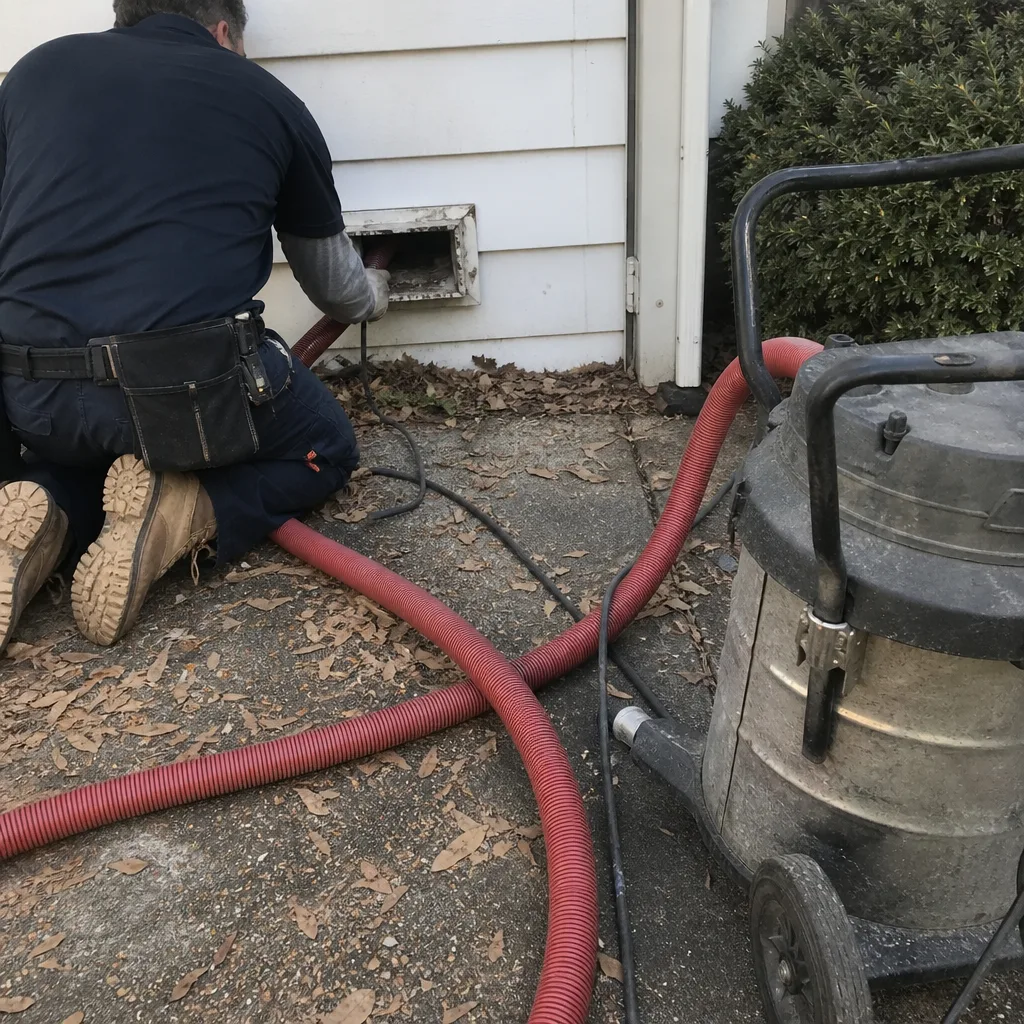 Before
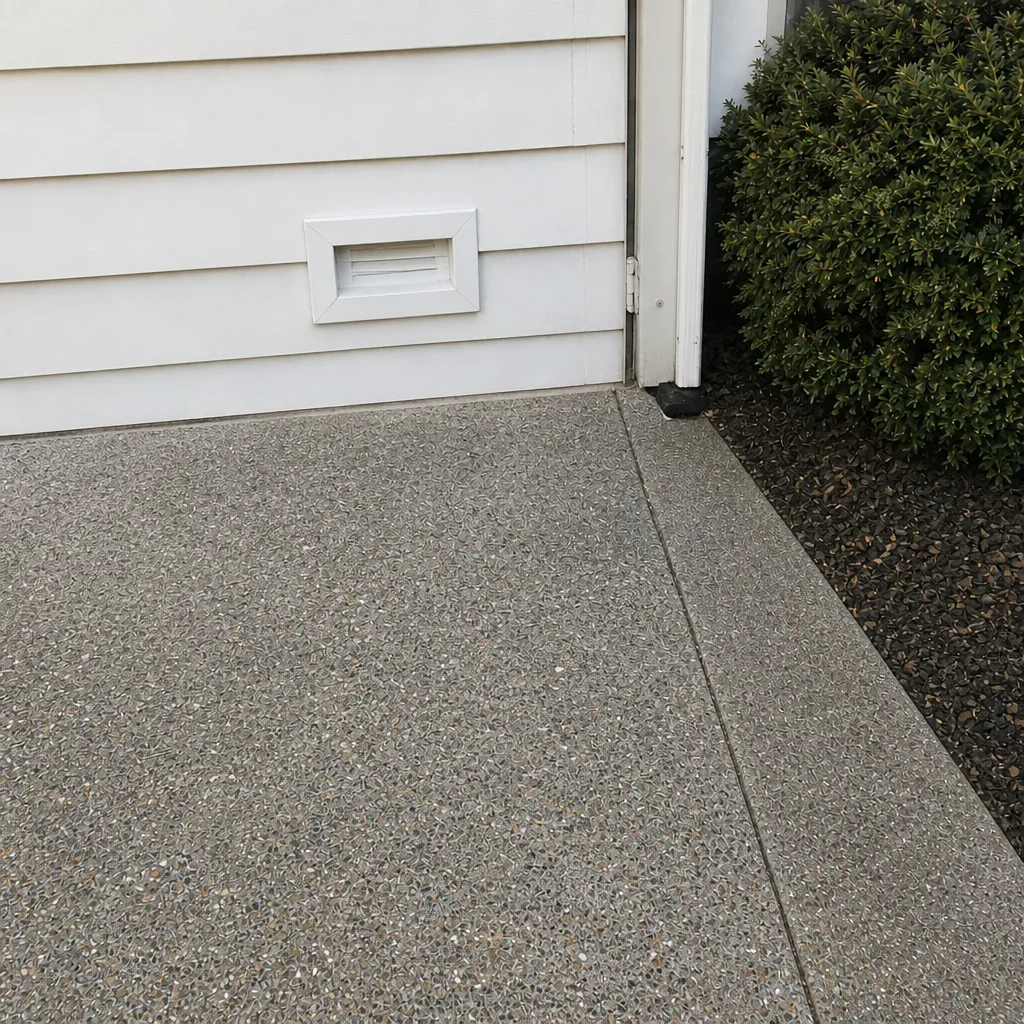 After
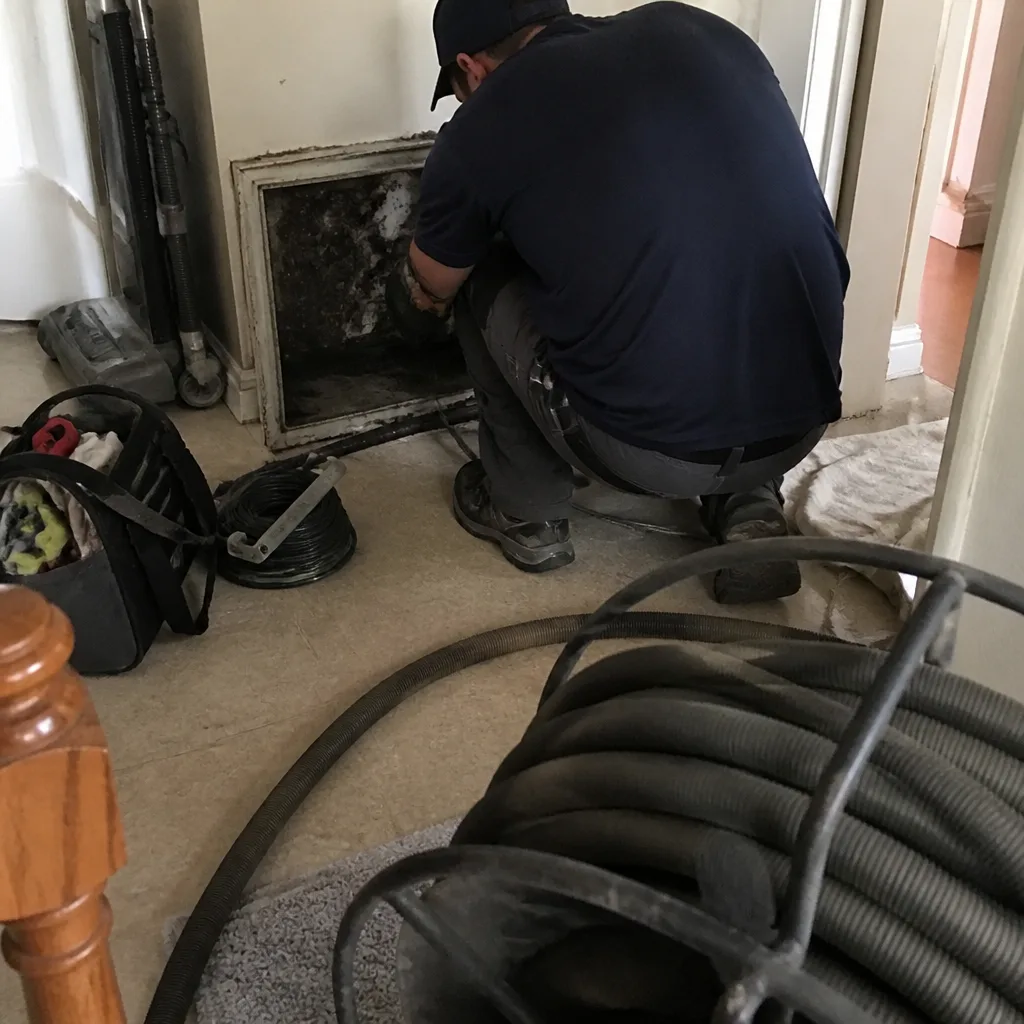 Before
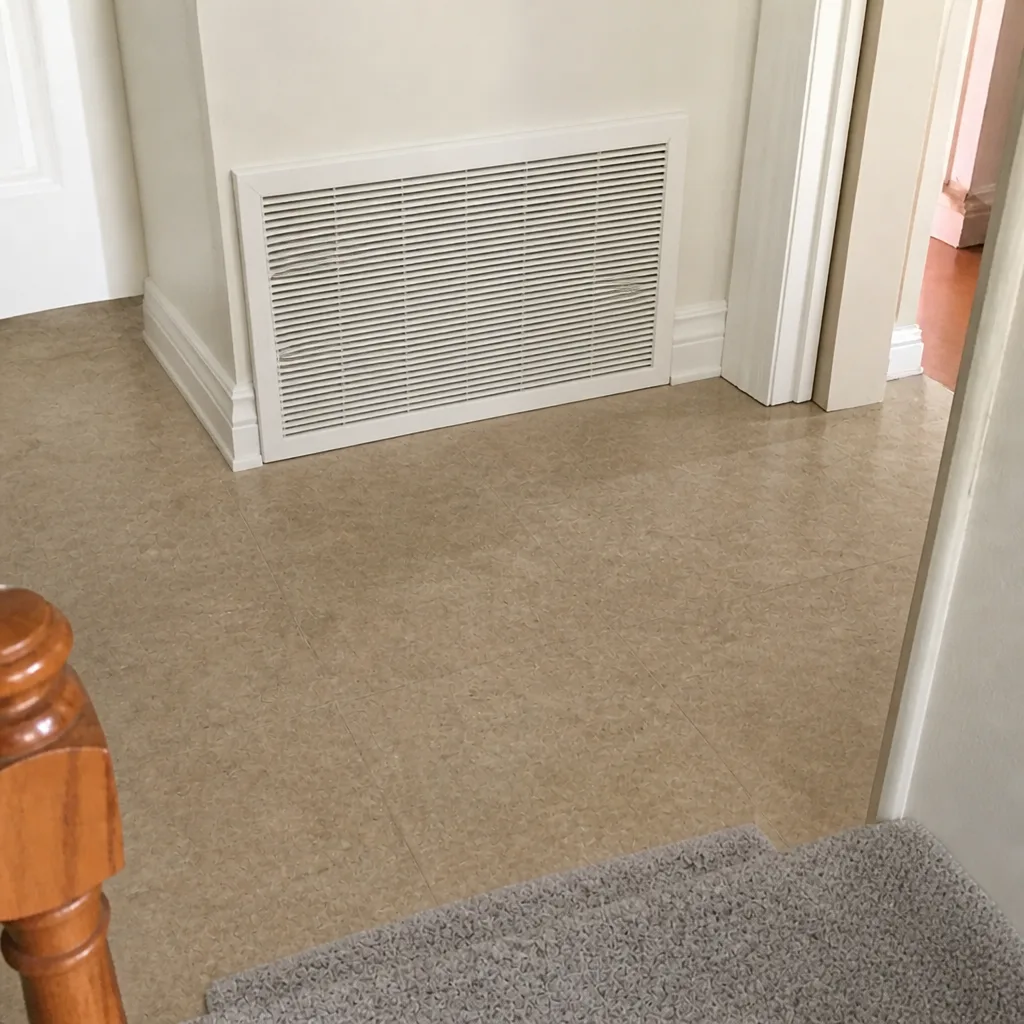 After
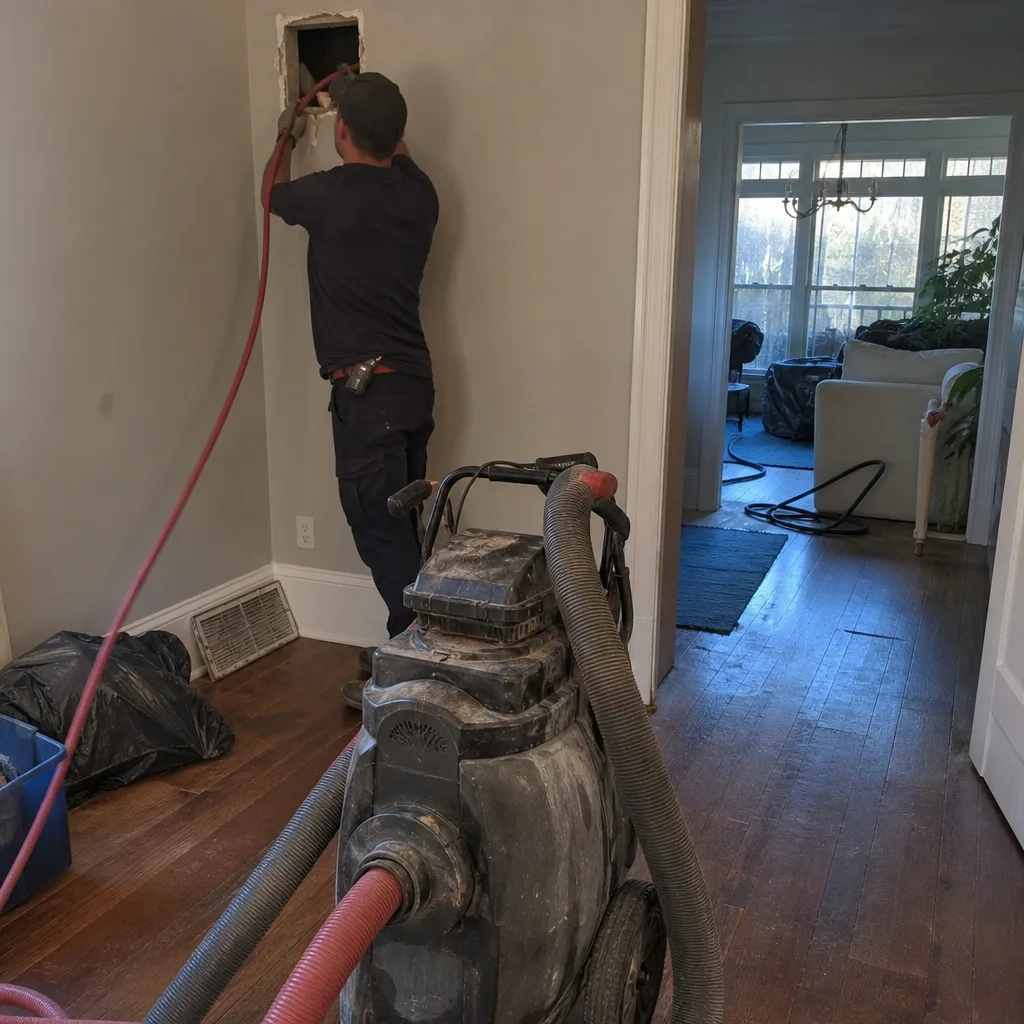 Before
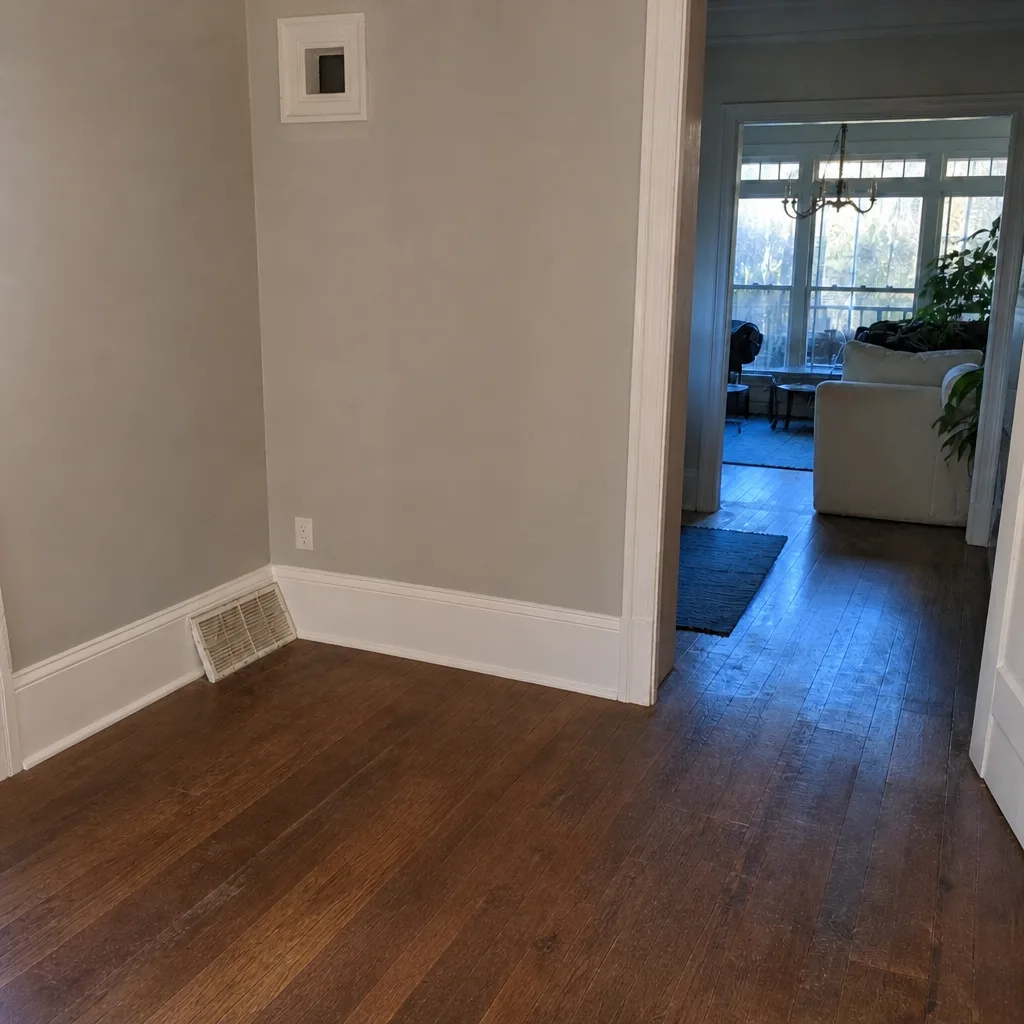 After
When to Call a Professional
You should call a professional when the symptoms point to the air pathway rather than a filter or a thermostat. Persistent dust settling after a filter change, a musty smell that returns within days of cleaning, allergy symptoms that flare indoors and ease outside, or visible dust discharge from registers all point to the ductwork or the unit. A recent renovation is another trigger, since drywall dust and construction debris make their way into the returns and stay there. On the safety side, a dryer that now takes two cycles to dry a load, or a vent hood that smells like hot lint, is worth a professional look.
Air Duct Cleaning Midtown offers free estimates in Midtown – call (844) 605-0607. We answer 24/7, with fast dispatch from 7am to 7pm, Sunday through Friday, closed Saturday. Our technicians have up to 13 years of experience, and the estimate you receive is the price you pay, in writing, before work begins.
Frequently Asked Questions
Most Midtown homes fall in the range of a whole-system cleaning that’s quoted per system rather than per vent, and the written estimate sets the final price. Per-vent pricing is the industry’s most reliable way to make a low headline number climb, so ask for a whole-house quote before booking. Call (844) 605-0607 for an exact quote – estimates are free.
Cheaper quotes usually reflect a lower equipment tier: a shop vacuum and a hose rather than a negative air machine with HEPA filtration and a rotary brush. The lower the equipment cost, the less agitation and containment the cleaning actually involves. Take one flat price per system with a written scope, and the two quotes stop being comparable at face value. Call (844) 605-0607 to talk through what’s actually included in ours.
Ask for before-and-after camera footage of your own ducts, airflow readings taken at the registers before and after, and a written confirmation that the scope matches the invoice. Those three items are the difference between a verified cleaning and a claim. Call (844) 605-0607 and we’ll walk you through exactly what documentation you’ll receive.
Most Midtown homes do well with a cleaning every few years, though a recent renovation, pets, or a smoker in the home can shorten that interval. Homes on the older side of the neighborhood, where the ductwork has been patched and modified over decades, sometimes need the run checked sooner. Call (844) 605-0607 and we can help you decide whether now is the right time.
No. NADCA is a trade association, not a licensing body, and Georgia doesn’t have a statewide duct cleaning license. Membership signals a training and standards commitment, and that’s worth something, but it doesn’t replace asking about the equipment and the technician’s training directly. Call (844) 605-0607 if you want to talk through the credential question in detail.
The long cooling season and humid air mean the coil stays damp for much of the year, and damp coils are the usual source of the musty smell Midtown homeowners describe. Cleaning the ducts without addressing the coil leaves the source in place, which is why we recommend HVAC cleaning alongside ductwork. Our team handles the air quality side and can recommend Honeywell or Aprilaire filtration systems where they make sense. Call (844) 605-0607 to book a free estimate.
The Bottom Line
Picking the right air duct cleaning company in Midtown is an equipment and process audit, not a brand recognition exercise. Ask for the negative air machine’s make and model, its rated CFM, and its filtration class. Ask whether the technician holds a training commitment through NADCA or another standard, and treat that as a signal rather than a license. Look for full-system capability so the ducts, the unit, the dryer vent, and the seals are handled by one company that understands how they interact. Demand before-and-after footage, airflow readings, and a written scope. And read reviews looking for equipment detail and honest scope, not just stars. A company that answers these questions cleanly is the one to hire. A company that deflects is telling you what the job will look like. For a free estimate in Midtown, call (844) 605-0607. We answer 24/7, and fast dispatch runs from 7am to 7pm, Sunday through Friday.
Written by the team at Air Duct Cleaning Midtown.