
Last updated November 25, 2026
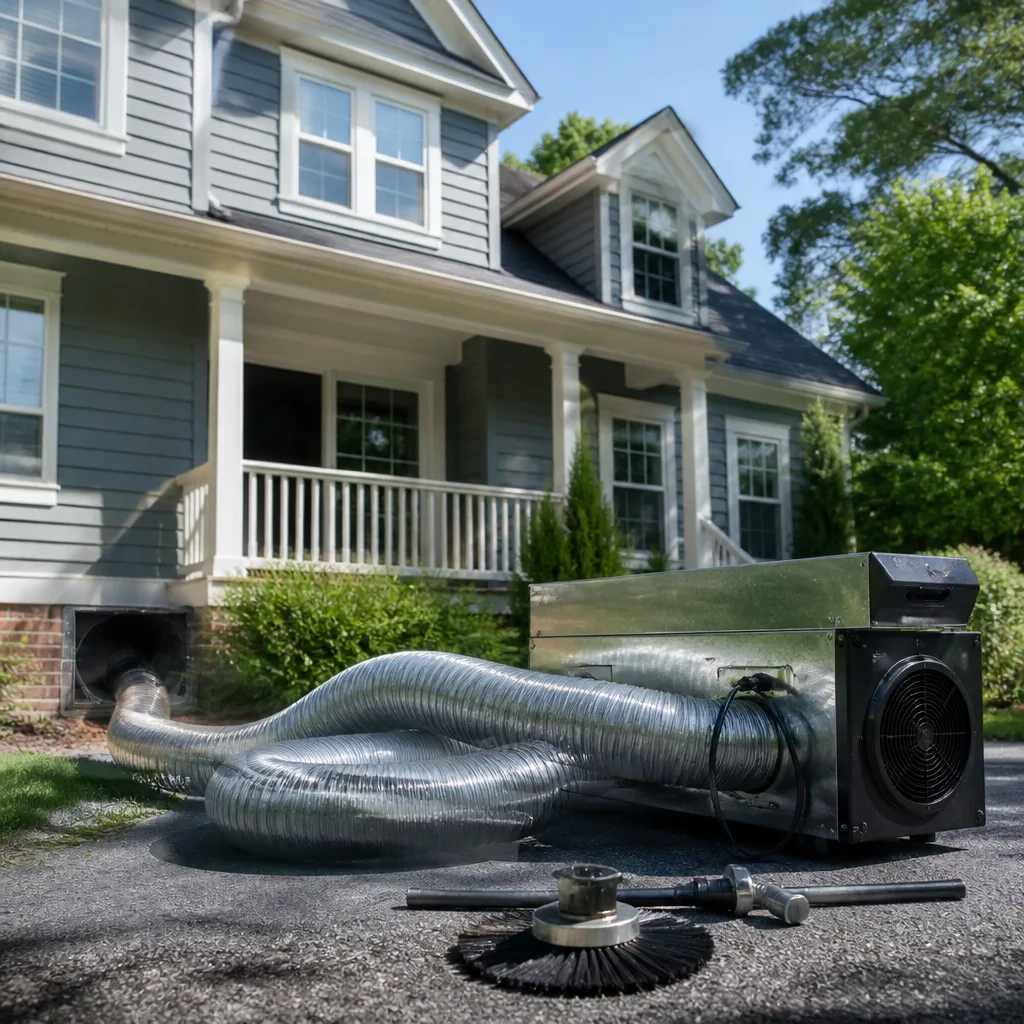 Whole-home duct cleaning
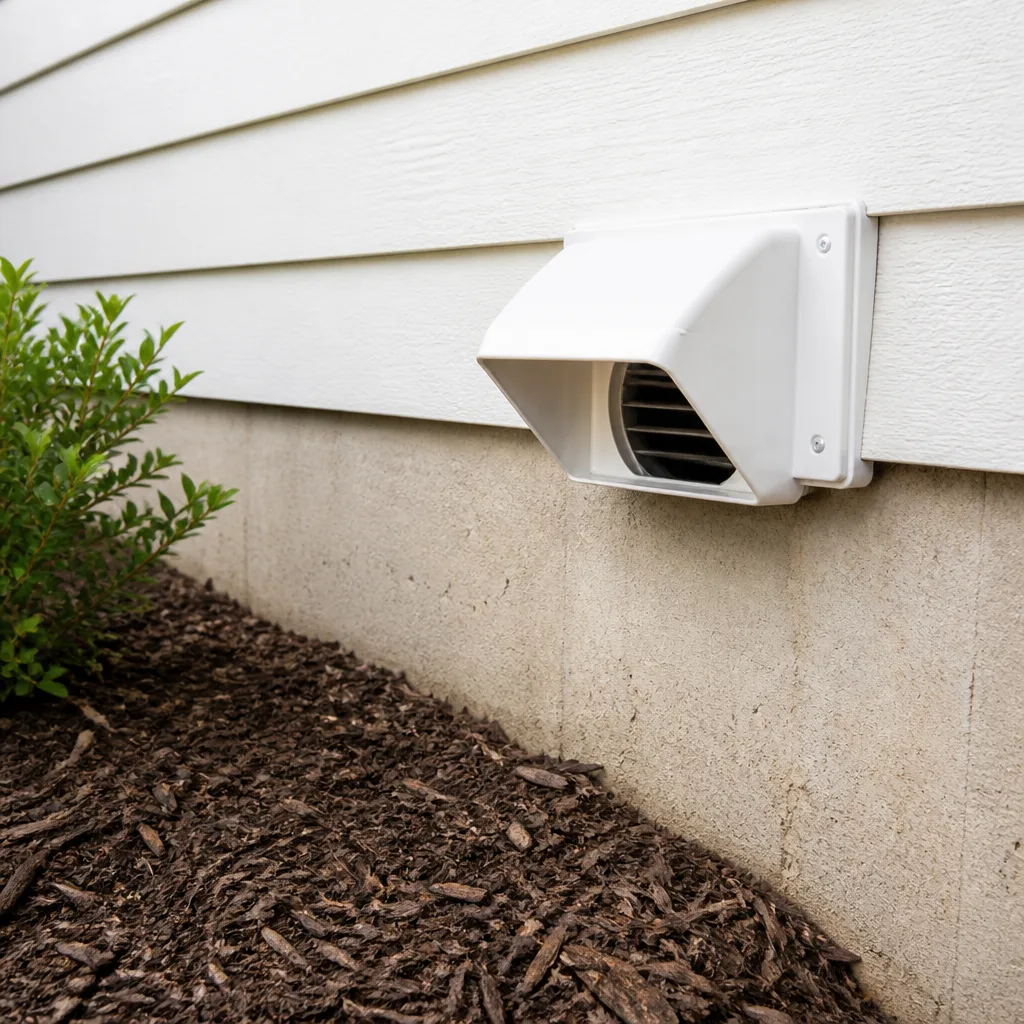 Dryer vent cleaning
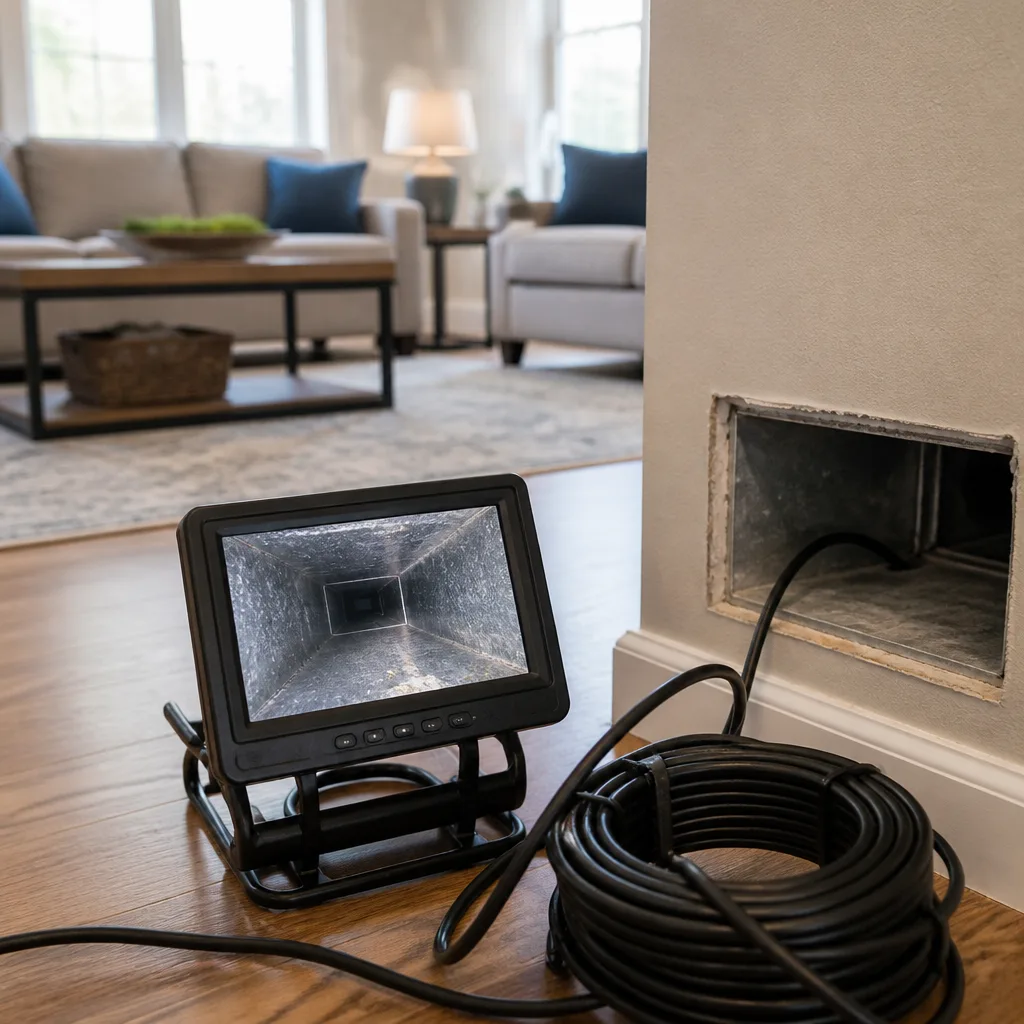 Camera inspection
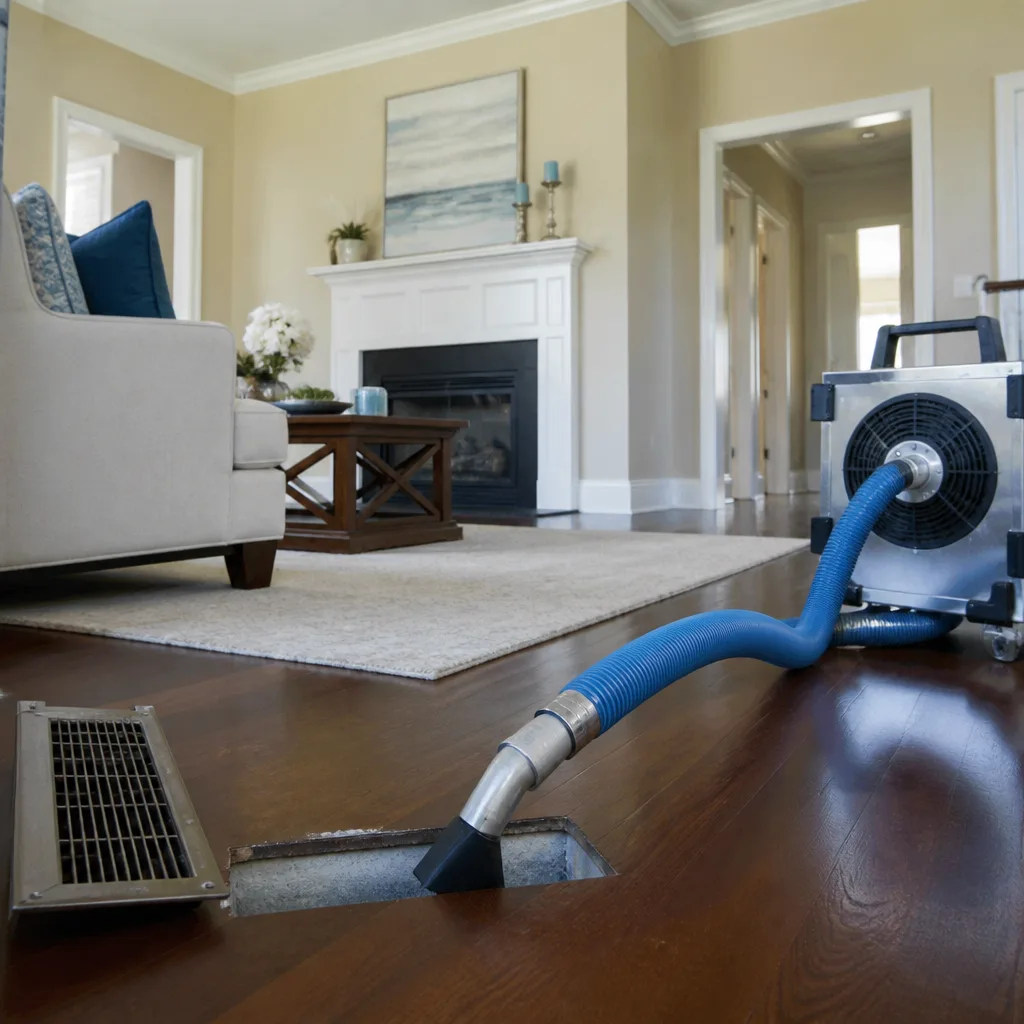 Sanitizing & deodorizing
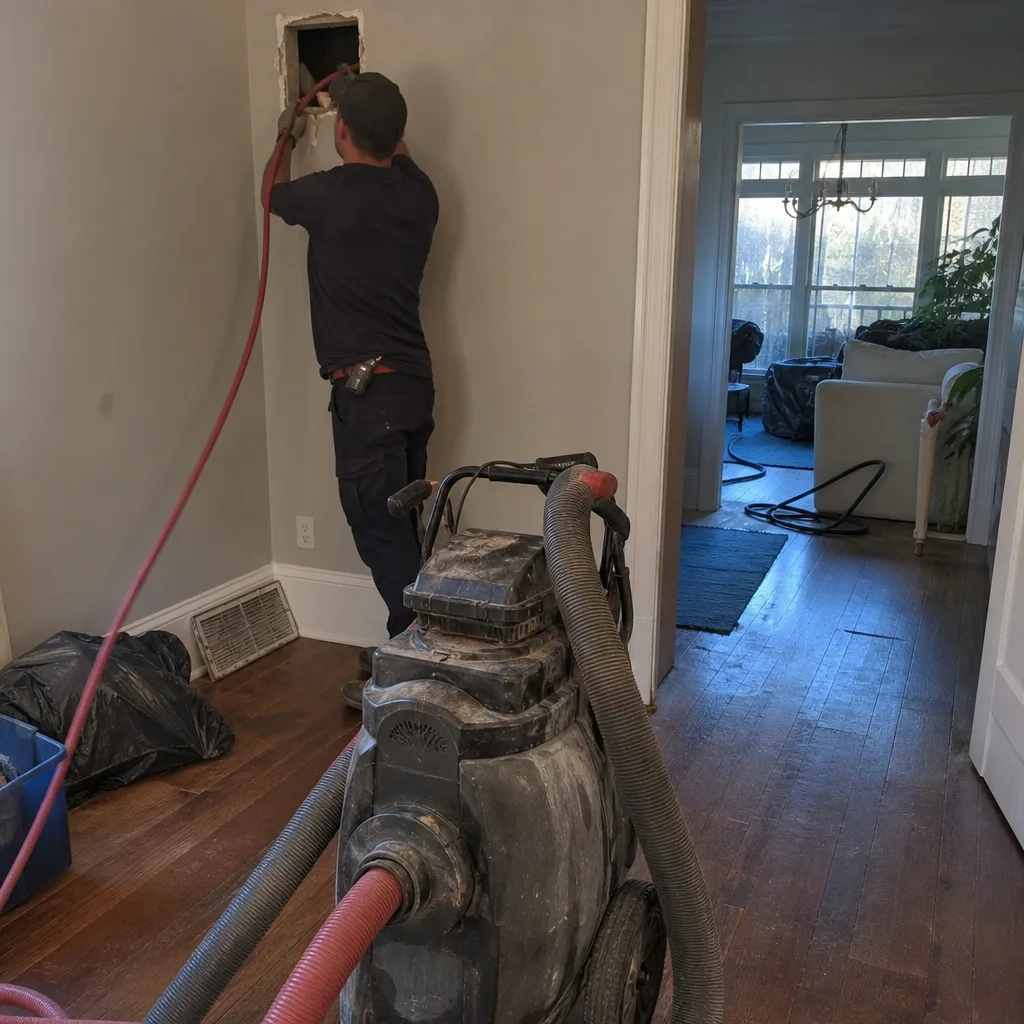
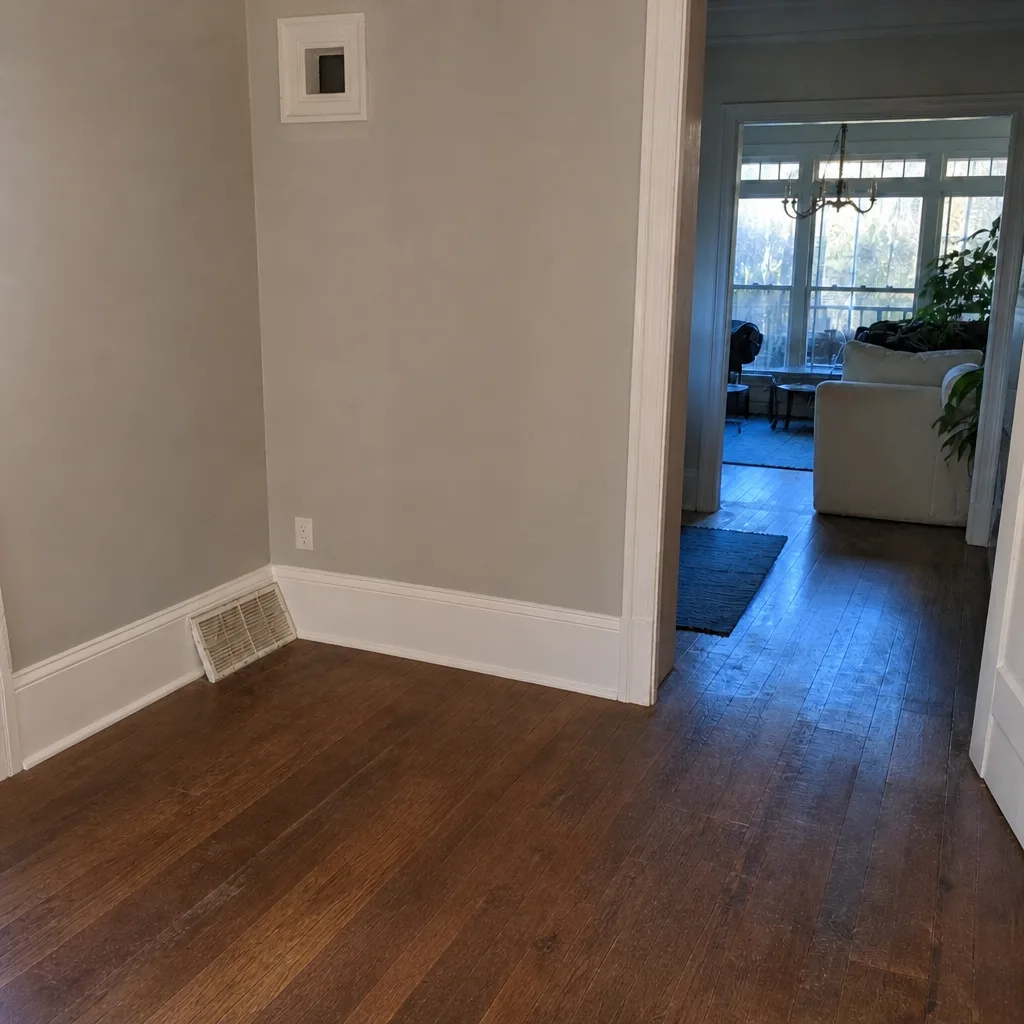
Whole-system duct and dryer vent check with before-and-after photos - you see exactly what came out of your vents
That "$99 whole-house special" is a bait ad - the real number appears once they are in your hallway, or the "clean" is a shop-vac at the register. We photograph the inside of your ducts before and after instead.
DIY vs Professional Air Duct Cleaning: The Midtown Homeowner’s Decision Guide
Most homeowners assume the choice is about money, and that a rented shop-vac plus a brush kit is just a scaled-down version of what a pro does. The numbers say otherwise. A consumer-grade shop-vac moves somewhere in the range of 60 to 80 cubic feet per minute of air; a professional negative air machine pulls 2,000 to 4,000 CFM. That gap isn’t a matter of degree. It decides whether settled contamination gets removed from your system or simply loosened and pushed back into the rooms you breathe in. This guide walks through the physics, the legitimately DIY-able tasks, the specific ways a home attempt goes wrong, and how to make the decision honestly for your Midtown home.
Quick Answer
For light surface dust and register cleaning, a careful homeowner can do useful DIY work. For whole-system cleaning of a Midtown home with a forced-air system that hasn’t been touched in years, or with visible mold, rodent activity, or a recent renovation, the professional option wins because only a truck-mounted or trailer-mounted negative air machine can create the containment needed to remove contamination rather than redistribute it. The decision should rest on system age, contamination type, and occupancy, not on a generic cost comparison.
Styles & brands we work with
- Whole-home duct cleaning
- Dryer vent cleaning
- Camera inspection
- Sanitizing & deodorizing
Table of Contents
- Why Source Removal Is a Physics Problem, Not a Cleaning Problem
- What You Can Legitimately DIY in Midtown
- The DIY Attempts That Cause Real Damage
- Rental Equipment Reality in Midtown
- How to Decide Based on Your Home
- What a Professional Cleaning in Midtown Actually Looks Like
- The Cost Conversation, Honestly
- Common Mistakes to Avoid
Why Source Removal Is a Physics Problem, Not a Cleaning Problem
Duct cleaning gets talked about like sweeping a floor. The mental model goes: dust is on the surface, put a brush on it, wipe it off, done. Real duct cleaning works from a different premise. The goal is to put the entire duct system under sustained negative pressure, then dislodge settled material with rotary agitation while that pressure holds the debris captive and carries it into a filtration unit. The agitation and the pressure have to work together. Take one away and you have a mess.
Here’s what that looks like in practical terms. A professional setup in Midtown uses a powerful vacuum on a main trunk line connection and a rotary brush system that travels through each branch, breaking up the adhered film of dust, hair, pet dander, and skin cells that’s baked onto the duct walls. The negative pressure keeps the loosened material moving toward the vacuum rather than back into the room. With Abatement Technologies filtration equipment in the loop, contaminant-grade particles are captured rather than exhausted. That’s the same standard you see on mold and asbestos abatement jobs, and it’s the reason a proper cleaning produces a visible difference rather than a temporary scent change.
Consumer equipment gets one part of this right at best. A shop-vac produces suction, and a brush kit provides agitation, but the suction is local to the wand tip and the agitation is manual, so the two don’t cover the same duct area at the same time. Worse, the exhaust side of a standard shop-vac isn’t HEPA rated in most cases, so fine particulate that does get picked up can be redistributed into the room as it moves through the filter. You end up with the same contamination, spread more evenly.
- Negative pressure: the sustained whole-system vacuum that holds debris captive.
- Rotary agitation: the mechanical brush that breaks up adhered film.
- Filtration: the HEPA capture that keeps particulate out of the air.
- Containment: the sealing of registers and system openings so nothing escapes.
All four have to be present for source removal to work. A homeowner can produce one, maybe two, with rented tools. That’s the entire decision in a paragraph.
What You Can Legitimately DIY in Midtown
None of this means a homeowner should never touch the register. There’s a real list of maintenance tasks worth doing yourself, and being specific about them helps the rest of the decision land. Here’s what we’d call legitimately DIY-friendly.
- Register and grille cleaning. Pop off the supply and return grilles and wash them in a utility sink or outside with a hose. Dust and lint collect on these every month, especially in older Midtown homes with high ceilings. Wipe down the register box behind the grille with a damp microfiber cloth while you’re in there.
- Filter changes. This is the single most important thing most households underdo. A clogged filter cuts airflow, strains the blower, and lets dust bypass the filter frame. Check monthly during cooling season and swap when you can no longer see light through the pleats.
- Filter housing wipe-down. Once the filter is out, wipe the metal or plastic filter rack so dust that bypassed the filter doesn’t sit there and get pulled back in.
- Dryer vent lint clearing. Pull the lint trap every cycle, and once a season disconnect the vent line at the back of the dryer and vacuum the flexible section with a crevice tool. This is fire prevention as much as efficiency: lint is highly combustible and accumulates in areas households rarely inspect. If a full-length rigid vent run needs a proper rodding, that’s a professional job, not a DIY one.
Notice what’s not on this list. Nothing here involves opening the duct system, inserting a brush into a trunk line, or attempting to create your own negative pressure with a rented unit. Those are different jobs with different risk profiles. If you’re not sure whether a task sits in this list or the next one, in our experience the honest answer is to leave it and call a pro.
The DIY Attempts That Cause Real Damage
The most expensive DIY duct cleaning is the one that goes wrong inside the walls. Older Midtown homes often have flex duct runs snaking through chases you can’t easily inspect, and the material has a specific tolerance for abuse. Here are the failure modes we see, and why they matter.
Flex duct puncture
Flex duct is a plastic inner liner wrapped in a layer of fiberglass and an outer jacket. The inner liner is thin and does not tolerate a rotary brush plunged into a bend. Puncture it and every cubic foot of air that should have gone to your register leaks into the ceiling cavity, pulling insulation dust and attic air into the supply. You won’t notice until your cooling bill climbs and the rooms that used to be comfortable start to feel uneven. The fix is re-running the duct section, which costs much more than the cleaning you were trying to avoid.
Disturbing mold-contaminated duct lining
If there’s mold growth on the duct interior, agitation without containment spreads spores into the entire air pathway and into the living space. We’re careful to say “if” because you can’t tell from the register. Musty smell, visible spotting on the register face, water damage history, or a chronically damp crawlspace are the clues. In those cases, the right approach is containment-first cleaning with contaminant-grade filtration, followed by a sanitizing step. That’s not a homeowner task. Disturbing a mold-contaminated system without proper containment creates an indoor air quality problem bigger than the one you started with.
Dislodged insulation
Ducts in unconditioned attic space here often sit right against or under loose-fill fiberglass or cellulose insulation. A brush that goes too far or a vacuum that pulls too hard can move the insulation loose or pull fragments into the duct. Insulation fibers in the airstream are a real respiratory irritant, and once they’re in the airflow path they don’t come out easily.
Broken seals at the register boot
The connection where duct meets the register boot is often sealed with mastic or tape. Pulling on a duct to insert a brush stresses that seal. Once it’s broken, hot attic air mixes with cooled supply air, and the room loses pressure. This is exactly the problem our Air Duct Cleaning Midtown service is designed to catch and repair, not just clean around.
None of these are catastrophic if caught early. All of them cost more to fix than a proper cleaning would have. That’s the honest math.
Rental Equipment Reality in Midtown
Home improvement stores in and around Midtown do rent shop-vacs, blower fans, and occasionally a duct cleaning kit. The question is what these tools can actually accomplish. Let’s be specific, because this is where a lot of marketing hides behind vague language.
- Shop-vac suction: Most contractor-grade rentals pull in the 100-200 CFM range. That’s useful for cleaning up a basement floor. It’s not enough to create negative pressure across a multi-branch residential duct system. The suction at the end of a ten-foot hose in a trunk line is close to negligible.
- Filtration: Some units have HEPA cartridges, most don’t. Without HEPA-rated capture, sub-micron particulate passes through the filter and back into the room. This is the reason a rented shop-vac cleaning often leaves a fine dust film on furniture for a day afterward.
- Brush kits: Flexible rods with nylon brushes are the common rental option. These agitate but don’t contain, and they’re most useful on straight rigid runs, which are the minority of residential duct layouts in Midtown’s older housing stock.
- Compressed air: Some rentals include a high-pressure air whip. Blowing air into ducts without negative pressure just relocates contamination. This is the worst of both worlds.
What a pro brings to a Midtown job is a step up in scale and control. A Rotobrush rotary brush system runs on a contained, high-torque drive that agitates the full interior surface of each duct without thrashing the liner. A Nikro HEPA vacuum pulls the whole system under genuine negative pressure with filtration rated for fine particulate. Abatement Technologies equipment gets used on jobs where contamination levels warrant it, and that’s the same platform you’d see on a commercial abatement site. The tools exist at that scale because the problem requires it.
So what can rental equipment actually accomplish? Surface dust on registers, light debris in a single branch run, and cleanup of a small, recently opened duct section. Not whole-system source removal. Not contaminant containment. If a homeowner rents a unit and produces visible improvement, they’ve probably handled the easy 20%. The remaining 80% is where the health and efficiency gains live.
How to Decide Based on Your Home
Forget the cost comparison for a minute. The right question is what your specific system and household need. Here’s how we’d frame it in a home assessment.
System age and construction
Systems installed in the last five years with a well-sealed duct layout and regular filter changes usually need only light maintenance. Older systems, especially those with visible duct tape lifting at the seams or ducts routed through unconditioned attic space, tend to accumulate more and hold it longer. Midtown’s housing mix runs from mid-century bungalows to newer mid-rise condos, and the two have completely different duct hygiene profiles. A condo with a short duct run and central air handler behaves nothing like a 1950s bungalow with a long trunk-and-branch layout in the attic.
Contamination type
This is the deciding variable in most homes. Categories of contamination, in rough order of what a pro adds:
- Normal dust and lint: a routine professional cleaning every few years handles this well. DIY surface work has limited value here because the accumulation is in the branches, not the registers.
- Pet dander and hair from multiple animals: these adhere to duct walls and don’t respond to surface agitation. Professional rotary brushing gets them off the wall; a rental kit does not.
- Recent renovation dust: drywall dust, joint compound, and construction debris that gets pulled into the return are the single most underrated reason to clean ducts. A home that just went through a renovation should get a full cleaning, not a DIY attempt, because the particulate volume overwhelms the system’s filter.
- Mold or microbial growth: not a DIY situation. Containment, filtration, and sanitizing are required.
- Rodent or pest activity: contamination plus potential damage to duct runs. Needs professional assessment.
- Smoke or odor history: wildfire smoke intrusion, cooking smoke, or former tobacco use all leave residue on duct surfaces. Professional cleaning with proper filtration is the only route.
Household occupancy
Who’s breathing the air matters. A household with an infant, an asthmatic, an allergy sufferer, or an immunocompromised member has a different decision threshold. Same for someone who works from home and spends all day in the space. When the air quality question is health-driven rather than comfort-driven, the answer tilts strongly toward professional.
The honest cost comparison
Rental equipment isn’t free. A shop-vac rental, brush kit, and half a day of your weekend add up to a real number, and the output is surface-level improvement with a meaningful chance of causing damage that costs more to fix. When you frame the comparison that way, the DIY option is only rational when the job scope is genuinely small and the contamination is genuinely light. For anything else, the math favors a pro.
What a Professional Cleaning in Midtown Actually Looks Like
Homeowners make better decisions when they know what they’re buying. A proper full-system cleaning isn’t a single vacuum pass; it’s a sequence, and the sequence is where the difference between a real cleaning and a coat of fresh-looking registers shows up.
- Inspection and system mapping. A technician walks the layout, counts registers, identifies branch runs, checks for disconnected ducts or damaged seals, and notes the HVAC equipment type. Any suspicious areas get flagged before work starts.
- Containment and negative pressure setup. A high-capacity vacuum is connected to the trunk line, and containment measures go in at the registers. The goal is to put the whole duct system under continuous negative pressure for the duration of the work.
- Rotary agitation of each duct run. A Rotary brush system travels the full run on every branch, breaking up adhered film on the duct walls. This is where the actual source removal happens.
- HVAC unit cleaning. The air handler, evaporator coil, and blower assembly are where a lot of the circulation problem starts. Cleaning the ducts without cleaning the air handler leaves you recirculating contamination. That’s why HVAC cleaning is part of the same service for us rather than a separate call to a different contractor.
- Dryer vent cleaning. A dedicated pass through the dryer vent setup. This is a fire-safety service as much as a cleaning one, and it’s a step general duct cleaners often skip. See what’s involved in dryer vent cleaning if your vent run hasn’t been touched in years.
- Sanitizing and filter consideration. Depending on what’s found, a sanitizing step addresses microbial growth on duct surfaces. Honeywell and Aprilaire air quality products can be recommended and installed to bring better ongoing filtration into the system so the cleaning holds up.
- Repair and sealing assessment. Any disconnected runs, broken seals at the register boot, or damaged flex duct gets flagged. A professional can repair and reseal the ductwork, which addresses the reason contamination accumulates in the first place.
- Before-and-after documentation. A real cleaning produces photos of what was there before and what’s there after. If a contractor can’t show you the ducts afterward, you have no way to confirm the work.
Compare that sequence to the DIY version: rent a unit, insert a wand into a register, hope for the best. The professional sequence exists because each step solves a specific problem the previous step can’t. Our air duct cleaning process exists in that order for the same reason. Our technicians have up to 13 years of experience running these setups, and the equipment is matched to the job: Rotobrush and Nikro for the core cleaning, Abatement Technologies for the containment-heavy jobs, Guardsman for the repair and sealing work that follows.
The Cost Conversation, Honestly
Homeowners ask about cost because it’s the easiest variable to compare. Here’s where we’d steer the framing. A professional duct cleaning is priced per job based on the size of the system, the number of duct runs, the amount of contamination, and whether repair or sanitizing is needed. The written estimate is what sets the price, and it’s free to get one. What you’re paying for isn’t a truck showing up; it’s the negative pressure, the rotary agitation, the filtration, and the documentation. That’s the actual product. A DIY attempt costs you a rental, a weekend, and a real chance of damage to a duct system you can’t easily inspect.
- Surface cleaning only (DIY or low-cost service): removes some visible dust, does not achieve source removal, does nothing for the contamination in the branches.
- Whole-system professional cleaning: addresses the branches, the air handler, and the assembly; includes documentation; sets the baseline for future cleaning intervals.
- Professional cleaning plus repair and sealing: the correct scope when ducts are damaged or leaky, because it fixes the reason contamination returns.
If you’ve been quoted a suspiciously low price for a whole-system cleaning, that’s worth a second look. A single flat price per system, agreed before work starts, is the fair structure. If a quote is built per-vent, be cautious. It’s a structure that tends to expand once a technician is on site, and the duct cleaning trade has earned some of its reputation for bait-and-switch pricing. A free estimate from us is a per-job quote with the scope written out.
Common Mistakes to Avoid
- Cleaning without containment. Blowing air into a duct without negative pressure just relocates the contamination. The first question to ask any provider is how they contain debris during cleaning.
- Skipping the air handler. Cleaning the ducts while leaving the blower and coil dirty is putting clean ductwork downstream of a contamination source. In Midtown homes with attic-mounted air handlers, the coil is often the dirtiest component in the system.
- Assuming flex duct can take the same treatment as rigid duct. Flex duct liners puncture easily. A rotary brush that’s right for a rigid trunk line is not right for a tight attic run without the proper control.
- Ignoring the dryer vent. Almost nobody thinks about it until it’s a problem. Lint accumulation in a dryer vent is a leading cause of house fires, and it’s a fire-safety issue that’s easy to overlook when you’re focused on the supply ducts.
- Aggressive DIY on an older Midtown duct layout. Pre-1970s homes often have duct chases that are hard to inspect. What looks like a simple job can become a re-run of the whole branch if a liner is punctured.
- Buying air quality add-ons before getting the system clean. An upgraded filter installed upstream of a contaminated duct system is being asked to do work it can’t do. Clean first, then consider filtration upgrades.
- Booking on price alone. A whole-system cleaning at a per-vent teaser price is a different service than a whole-system cleaning with proper equipment. The tooling matters more than the quote.
See the difference
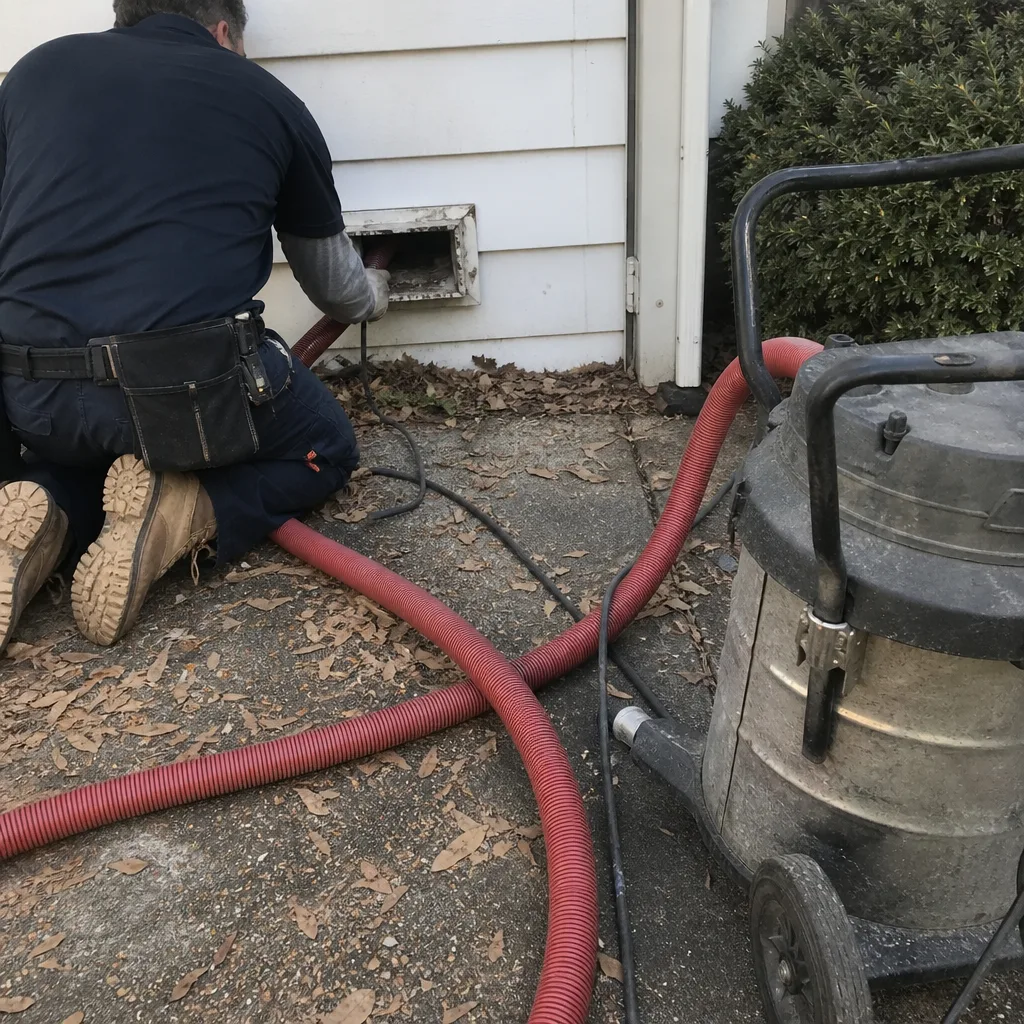 Before
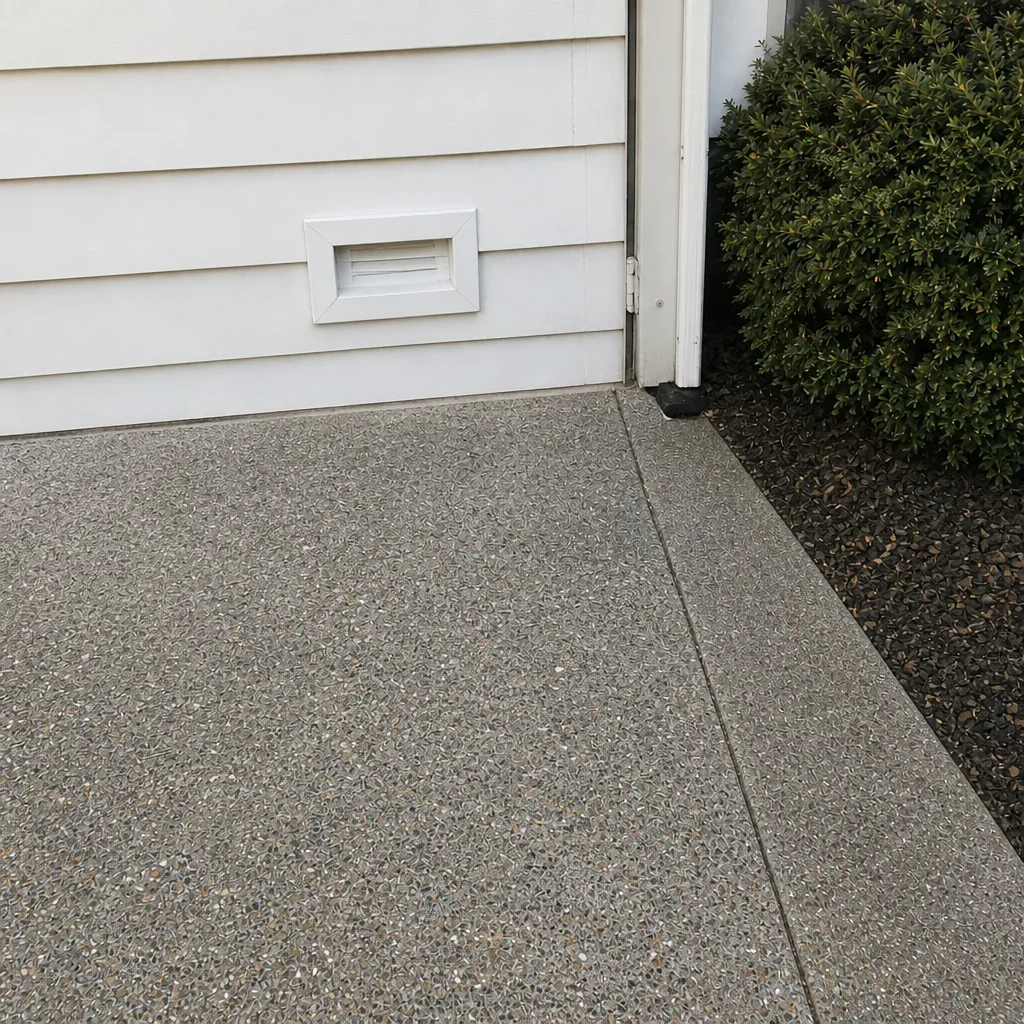 After
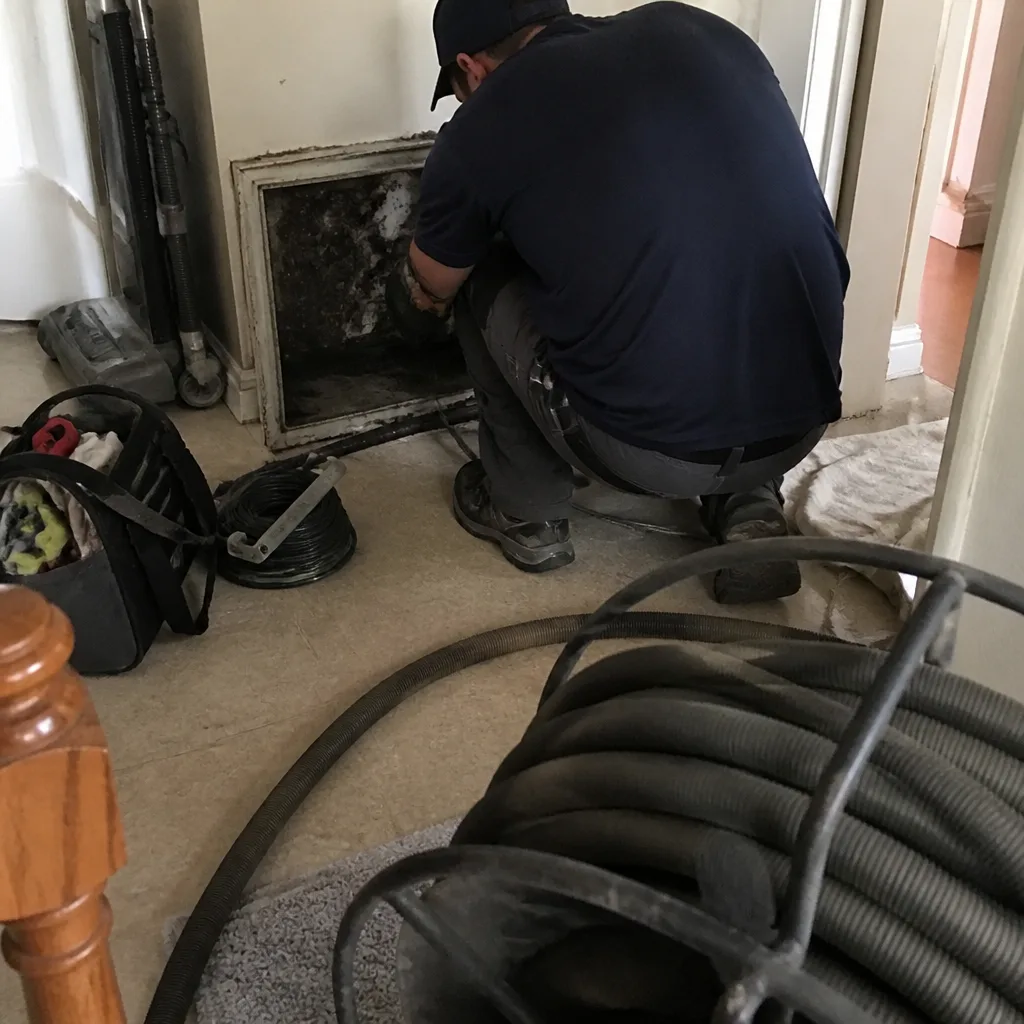 Before
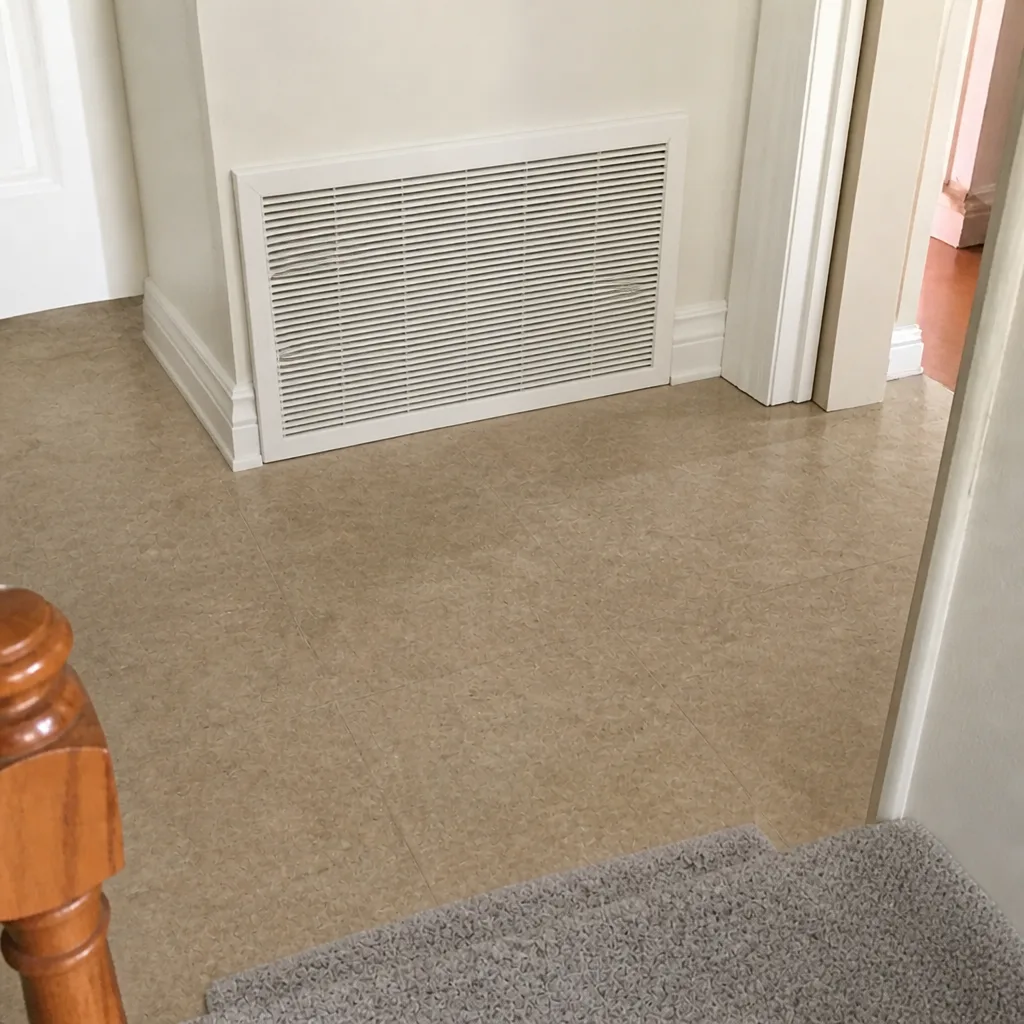 After
 Before
 After
When to Call a Professional
Any of these scenarios points to a professional cleaning rather than a home attempt:
- Visible mold or persistent musty smell from any register
- A recent renovation that generated drywall dust or construction debris
- A new baby in the house or a household member with asthma or allergies
- Rodent or pest evidence in the ductwork
- Multiple pets and a system that hasn’t been cleaned in years
- Uneven room temperatures or a system that’s not performing
- A dryer that takes more than one cycle to dry a load, which can indicate a lint-clogged vent
- Suspected damaged or disconnected ductwork
Air Duct Cleaning Midtown offers free estimates in Midtown: call (844) 605-0607. We scope the job by system size and contamination level, provide a single flat price per system written into the estimate, and document the work before and after so you can see exactly what changed.
Frequently Asked Questions
A homeowner can handle surface-level register cleaning, filter changes, filter housing wipe-downs, and light dryer vent lint clearing. Whole-system source removal requires sustained negative pressure and proper filtration that rental equipment can’t provide. Attempting it with a shop-vac tends to redistribute contamination rather than remove it.
Air duct cleaning in Midtown is priced per job, based on system size, number of duct runs, contamination level, and whether repair or sanitizing is included. The written estimate sets the final price, and estimates are free. Call (844) 605-0607 for an exact quote.
The cheap quotes are usually for a different service, not the same service at a lower price. Per-vent teaser pricing that expands on site, or a quick pass with a shop-vac-level tool, gets you surface dust removal without containment or filtration. Ask what equipment is used before you book, and be wary of any quote that names a per-vent price rather than a per-system price.
The right answer is before-and-after photos of your own ductwork, plus an inspection report covering what was found and what was cleaned. Any professional should be able to show you the ducts before and after. If a provider can’t provide documentation, ask why not.
Most homes need it every three to five years. Homes with pets, allergy sufferers, recent renovations, or older duct systems may need it more frequently. Homes with newer systems, good filters, and regular maintenance can stretch that interval. The deciding factor is what’s happening in your specific system, not a calendar rule.
Source removal does when contamination is present. A clean system also lets the air handler filter work the way it was designed, which is where the ongoing air quality benefit lives. Pairing a proper cleaning with an upgraded filtration product from Honeywell or Aprilaire is where a lot of long-term improvement actually comes from.
It’s a separate service but should always be considered alongside duct cleaning because both share a fire-safety rationale. If your dryer vent hasn’t been cleaned in years, book it with the duct work. Our dryer vent cleaning service is often the single most impactful fire-safety step a homeowner can take.
The Bottom Line
The DIY versus professional question comes down to what a home setup can physically accomplish. A consumer shop-vac and a brush kit agitate and move some dust. A professional negative air machine plus rotary brush equipment removes the contamination, contains it, and documents the work. For light surface maintenance, DIY is fine. For real contamination, older systems, or a household with health sensitivities, the professional option is the only one that actually solves the problem. To talk through your specific Midtown home and get a free written estimate with a single flat price per system, call Air Duct Cleaning Midtown at (844) 605-0607. We answer 24/7. Fast dispatch from 7am to 7pm, Sunday through Friday.
Written by the team at Air Duct Cleaning Midtown.