
Last updated November 25, 2026
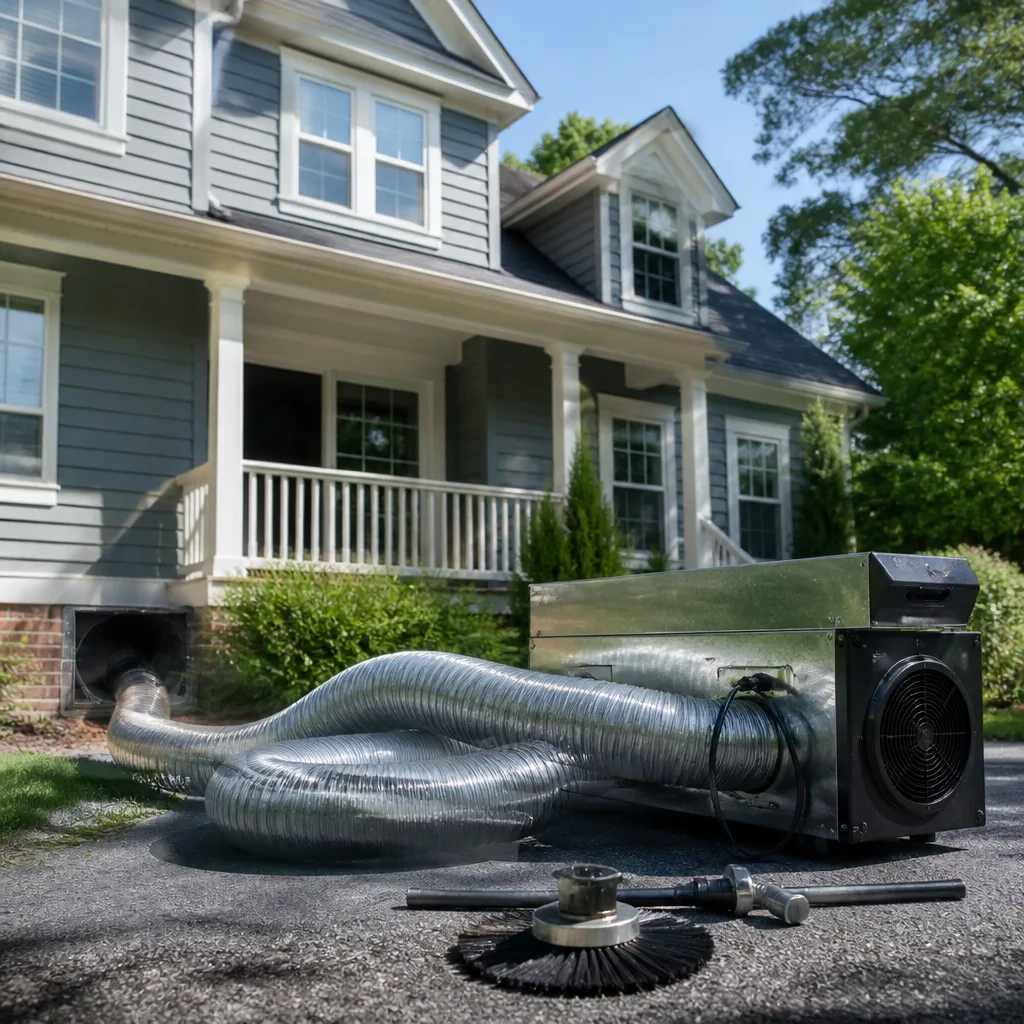 Whole-home duct cleaning
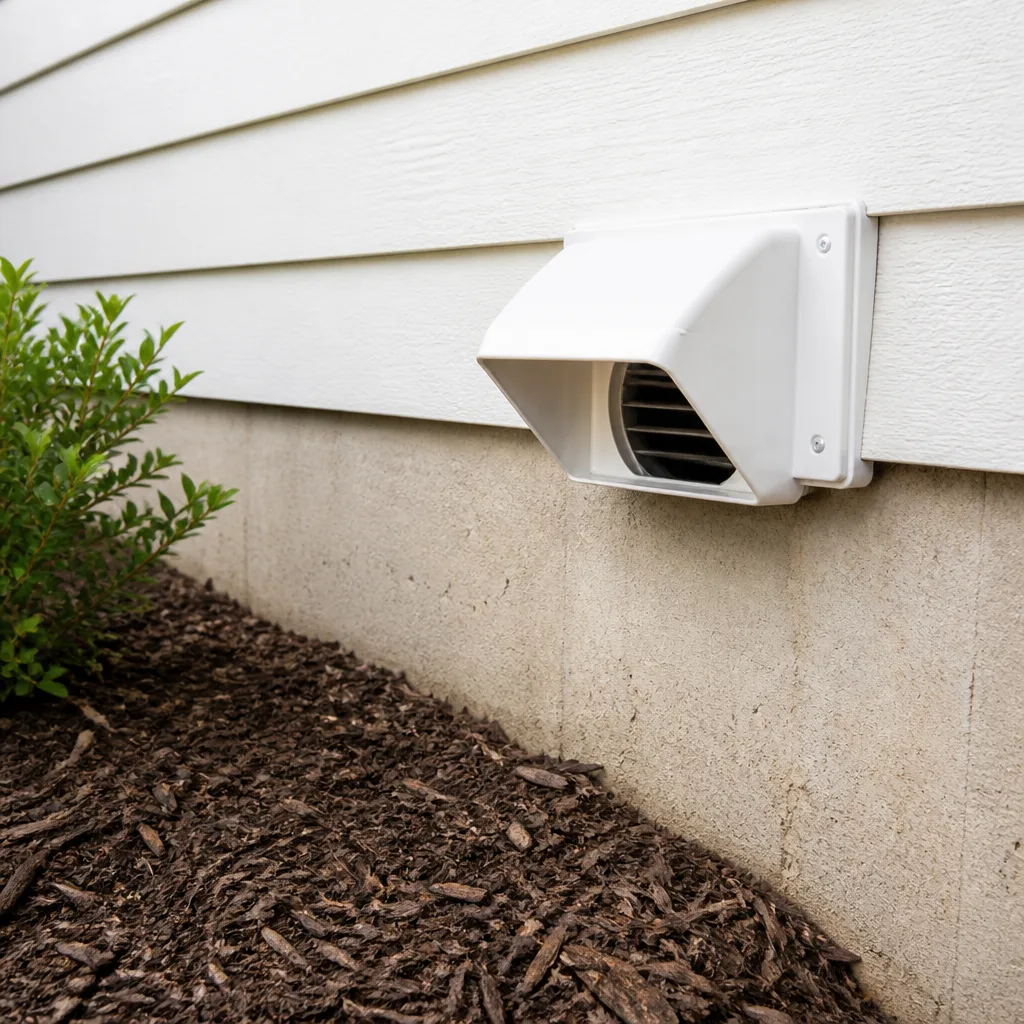 Dryer vent cleaning
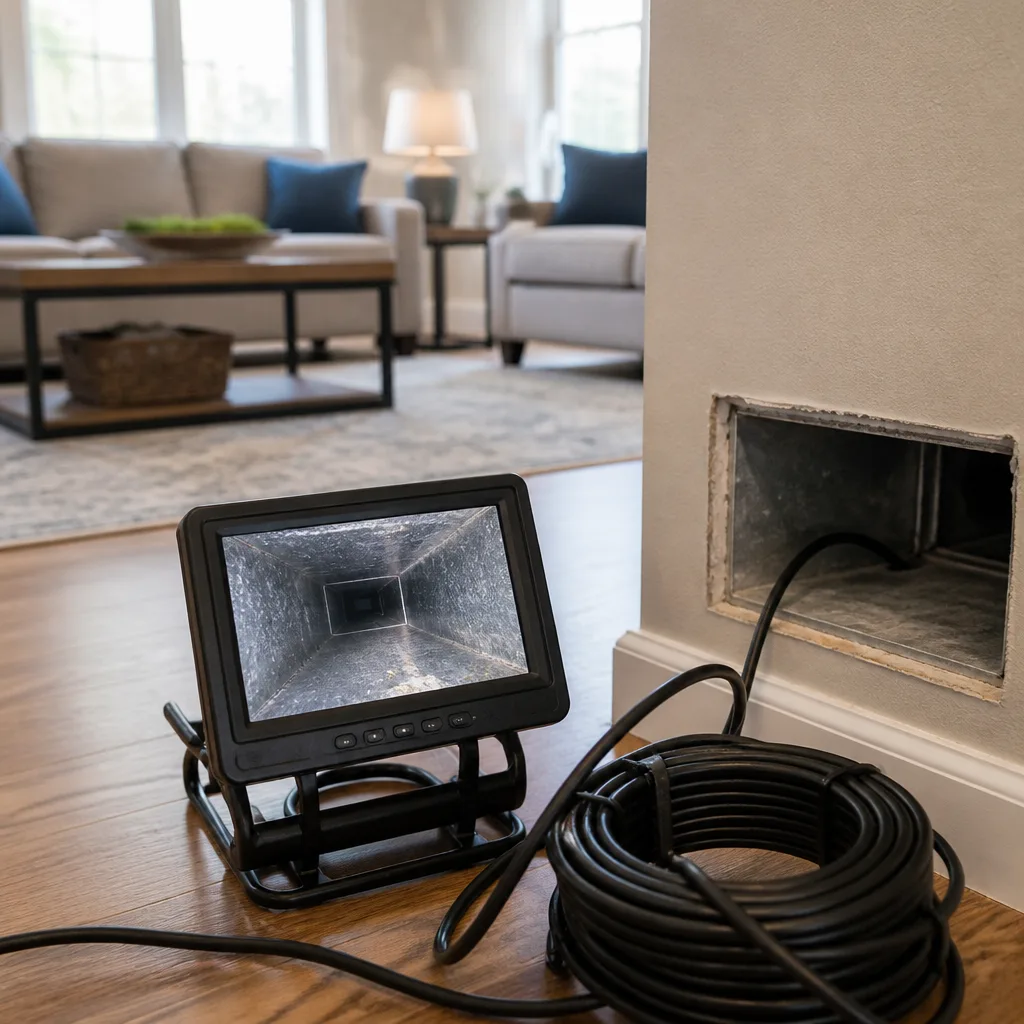 Camera inspection
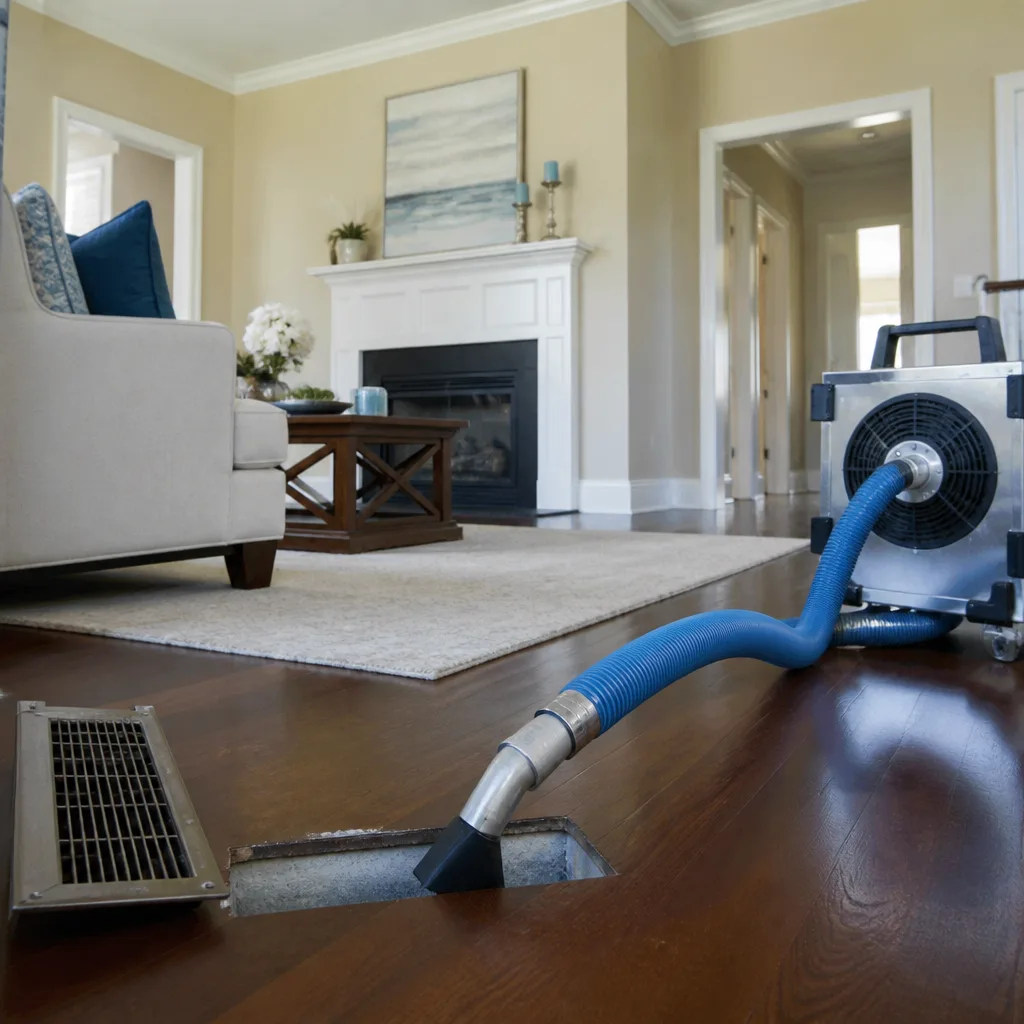 Sanitizing & deodorizing
Whole-system duct and dryer vent check with before-and-after photos - you see exactly what came out of your vents
That "$99 whole-house special" is a bait ad - the real number appears once they are in your hallway, or the "clean" is a shop-vac at the register. We photograph the inside of your ducts before and after instead.
The Complete Guide to Air Duct Cleaning in Midtown
Most duct cleaning guides are written for a country that doesn’t have Midtown’s summers. They describe a van, a hose, and a vacuum, and they leave out the part that actually decides whether your ducts come clean: the moisture. Midtown’s humid summers and its inventory of older multi-story homes create a contamination profile – layered dust, settled mold spores, and volatile organic compound buildup from renovations and everyday living – that a single brush-and-vacuum pass won’t touch. Worse, a partial cleaning can stir that material loose and redistribute it through the system. This guide covers what full-system cleaning actually requires, the equipment a legitimate contractor should arrive with, and how to verify the work was really done.
Quick Answer
Air duct cleaning in Midtown is a source-removal process, not a surface wipe-down: contaminated material is dislodged with rotary brush systems under negative pressure and captured in HEPA filtration so it leaves the system instead of settling back into it. Because Midtown’s humidity drives mold spore and dust buildup in older homes, the job should cover the full air pathway – ducts, HVAC coil and cabinet, dryer vent, and any leaks or gaps in the ductwork. Expect a free estimate, a flat price per system agreed before work begins, and before-and-after photos of your own ducts.
Styles & brands we work with
- Whole-home duct cleaning
- Dryer vent cleaning
- Camera inspection
- Sanitizing & deodorizing
Table of Contents
- Why Midtown Ducts Get Contaminated Differently
- Source-Removal Cleaning vs. Surface Agitation
- The Equipment a Legitimate Contractor Should Bring
- Why Full-System Scope Matters
- What a Full Cleaning Actually Involves, Step by Step
- How to Read a Post-Cleaning Verification
- What Air Duct Cleaning Costs in Midtown
- How Often Should You Do This?
Why Midtown Ducts Get Contaminated Differently
Air duct contamination isn’t uniform across the country. It’s shaped by climate, housing stock, and how a home is used. Midtown’s profile is specific enough that a generic national cleaning routine often falls short.
Georgia’s humidity is the biggest driver. Summer moisture loads push relative humidity into the range where dust that settles on duct walls becomes a food source for mold and mildew. Once spores colonize the fine layer of household dust on the interior of a duct, ordinary vacuuming doesn’t remove them – the growth is embedded at the surface and has to be mechanically dislodged.
The housing stock compounds it. Midtown’s older multi-story homes and mid-century condos typically have longer duct runs, more transitions, and more opportunities for leakage than newer construction. Where a duct leaks into a wall cavity or a crawlspace, unfiltered air from that space gets pulled in with dust, insulation particles, and moisture.
Renovations and VOC load add another layer. Paint, adhesives, and new materials off-gas into the return air path, and the fine particulate from drywall and sanding settles inside the system. In our experience, the homes with the heaviest internal contamination are often the ones someone has just finished remodeling.
Add a household of people, pets, and a lifetime of dust, and you get a three-layer problem: settled dust, mold spore deposits, and chemical residue. Each layer needs a different part of the process to remove it properly.
Source-Removal Cleaning vs. Surface Agitation
Here’s the distinction that separates a real cleaning from a cosmetic one. Source-removal cleaning means dislodging contamination at its source – the entire interior surface of the duct – and physically extracting it from the system. Surface agitation means running a brush or a nozzle into the duct and knocking loose the top layer, then vacuuming some of it up. Only one of those reduces the contamination load.
The NADCA standard (the National Air Duct Cleaners Association standard for assessment, cleaning, and restoration of HVAC systems) describes source removal as the baseline: the duct interior is brought to a visibly clean condition, and all removed material is collected with HEPA filtration. That standard exists because surface agitation leaves the residue that keeps growing.
For Midtown’s older home inventory, this matters more than it does in newer construction. Lap-jointed metal ducts, aging flexible runs, and transition points near registers all trap material that a quick pass with a shop-vac-grade tool won’t reach. Contamination in those pockets off-gases into the supply air all summer.
- Surface agitation: knocks dust loose; leaves embedded mold and residue.
- Source removal: cleans to the visible surface; removes the whole layer, including spores and chemical residue.
- The practical test: ask the contractor whether they use a rotary brush system and negative pressure. If they say “vacuum,” that’s surface agitation.
The Equipment a Legitimate Contractor Should Bring
When a truck rolls up, the equipment should tell a story. A full-system job requires three categories of machinery, and a contractor who shows up with only a vacuum and a hose is not equipped for source removal.
Rotary brush systems and HEPA vacuums. A rotary brush system – like the Rotobrush platforms used in commercial and restoration work – drives a spinning brush head through the duct while a HEPA-rated vacuum collects the dislodged material at the other end. Nikro HEPA equipment is the other common name in the professional market. Both are used commercially; both are a different class of tool from consumer equipment.
Negative air machines and containment equipment. The best working practice is containment: a negative air machine keeps pressure inside the system lower than the room around it while the work is going on, so contamination is pulled outward through the HEPA filter rather than blown into the living space. Abatement Technologies equipment is the kind of platform built for that – it’s used in mold, asbestos, and contaminant abatement, where containment isn’t optional.
Airflow testing and inspection tools. Verification requires an anemometer or air-balance meter and inspection mirrors or a borescope – the tools needed to confirm that airflow has been restored after cleaning, not just promised.
You don’t need to memorize model numbers. You do need to ask what equipment a contractor uses. If the answer is “a big vacuum,” that’s your signal.
Why Full-System Scope Matters
Air ducts are the largest part of the air pathway, but they aren’t the whole thing. Cleaning only the ducts and leaving the coil, the cabinet, the plenum, the registers, and the dryer vent alone leaves contamination that recontaminates the system within weeks. That’s the most common reason people repeat cleaning too often and see no improvement.
Full-system scope means the entire pathway gets assessed and addressed:
- Ducts and registers. Supply and return runs, boots, plenum, and all registers and grilles cleaned.
- HVAC unit and coil. The evaporator coil collects dust and biological growth; a dirty coil is a distribution point for contamination and a drag on efficiency. HVAC cleaning is a separate step from ducts but part of the same job.
- Dryer vent. Lint and debris inside the dryer vent line is a fire hazard distinct from anything in the ducts, and it’s easy to overlook because the dryer vent recirculates into the house, not the other way around. Dryer vent cleaning belongs on the same visit.
- Leaks and gaps. A leaky duct pulls unfiltered air in from wherever it runs. Air duct cleaning that stops at cleaning the inside wall of a duct that leaks is incomplete cleaning: sealing the leak is often what restores performance.
- Air quality products. Where a household wants ongoing filtration beyond the cleaning visit, we can recommend and install Honeywell or Aprilaire air quality products for long-term filtration. That’s a separate solution from duct cleaning and the decision should be made with a professional, not as an impulse add-on.
What a Full Cleaning Actually Involves, Step by Step
A thorough full-system cleaning in Midtown doesn’t start with a brush. It starts with an assessment and ends with documentation. Here’s how a properly run job proceeds.
- Assessment and system survey. The contractor inspects the ductwork, HVAC unit, and dryer vent, notes the number of runs and registers, and looks for leaks, disconnected joints, and material issues (fragile flex duct, old seals). This is when a written, fixed price for the whole system is agreed.
- Containment and negative pressure. A negative air machine sets up so pressure inside the system runs below the room. Contamination is pulled outward through HEPA filtration, not blown into the living space.
- Register and grille removal. Registers and grilles are removed so the brush and vacuum can reach the full depth of the runs.
- Mechanical dislodging with rotary brush systems. The brush head scrubs the interior walls of each duct, including the transition points and plenum, dislodging the whole layer of dust and growth.
- HEPA extraction. The dislodged material is collected at the source with HEPA-rated vacuum equipment.
- HVAC coil and cabinet. The coil and cabinet are cleaned as a separate step: contamination there feeds back into the supply air.
- Dryer vent cleaning. The dryer vent line gets its own cleaning pass, because lint accumulation is a fire hazard independent of the ducts.
- Duct repair and sealing where needed. Gaps and disconnections found in the survey are sealed, so the system holds pressure and stops pulling from cavities.
- Verification and documentation. Airflow is tested, inspection ports are checked, before-and-after photos are taken, and the contractor leaves documentation of what was cleaned and what was found.
That’s the shape of a real job. A contractor who skips to step 4 isn’t cleaning to standard.
How to Read a Post-Cleaning Verification
Honest contractors welcome verification. If the work was actually done, there should be evidence – a visible change in the ducts, a measurable airflow improvement, and documentation that stays with you after the contractor leaves.
Visual inspection ports. Inspection ports are small openings in the ductwork that let you look inside the runs without disassembling anything. A contractor should show you the interior of the ducts before and after cleaning. The registers should be visibly clean, and the plenum and coil area should be free of debris.
Airflow testing. An anemometer or air-balance meter measures airflow at each register. If the system was restricted by heavy dust and the cleaning worked, airflow improves measurably. The contractor should record the readings.
What they leave behind. A proper job ends with documentation: before-and-after photos of your own ducts, a record of runs cleaned, register count, dryer vent status, any repair and sealing work, and the airflow readings you can compare against future visits. That package is your record – keep it and compare it on the next service.
If a contractor won’t show you photos or readings, ask why. A five-minute look inside one duct is enough to tell you whether the job was surface agitation or source removal.
What Air Duct Cleaning Costs in Midtown
Air duct cleaning in Midtown is priced per system, not per vent. That’s the model to insist on, because per-vent pricing is where the bait-and-switch lives: a low headline price, then an inflated invoice once the technician is on site and the vents are already disconnected. A whole-system fixed price agreed in writing before work starts is the only honest model.
Typical estimated ranges for a full-system job – duct cleaning plus the HVAC unit and coil, the dryer vent, and the repair and sealing work typically needed in Midtown’s older homes – run higher than a basic single-service vacuum because more of the system is addressed. The written estimate sets the final price, and it should be given before any work begins.
What a quote should cover:
- The full air pathway: supply and return ducts, all register boots, plenum, and grilles
- HVAC unit and evaporator coil cleaning
- Dryer vent cleaning
- Duct repair and sealing for leaks and disconnections found during the survey
- Before-and-after photos of your own ducts
- Airflow readings before and after
What a quote should not include: a per-vent charge, a coupon price that isn’t the real price, or an add-on you weren’t told about before the work started. If a quote is far cheaper than the rest, ask what it actually includes. Usually it’s one component of three.
How Often Should You Do This?
There’s no single number that fits every Midtown home. The honest answer depends on how much contamination the system is actually carrying, not on a calendar. A rough guide:
- Every three to five years as a baseline for an average household with pets or a family.
- Sooner if there’s a trigger: a recent renovation, a new baby in the household, visible dust at registers, musty odor when the system runs, or a persistent drop in airflow.
- Before or after a move if you don’t know the history of the system.
- After any water event or humidity problem that could promote mold growth in the ducts or the HVAC unit.
- On a regular schedule for the dryer vent – lint accumulates continuously, and that’s a fire-safety matter, not an air quality preference.
If a contractor tries to sell you a maintenance plan with a fixed annual visit, ask what the visit actually includes. The service itself is a scheduled job, not something that needs to be sold on speed or upsell.
Common Mistakes to Avoid
- Hiring on price alone. The cheapest quote is often surface agitation with a shop-vac-grade tool. Ask what equipment they bring before you compare prices.
- Cleaning the ducts and leaving the coil. A dirty evaporator coil recontaminates a freshly cleaned system within weeks. Any full-system quote should include the HVAC unit.
- Forgetting the dryer vent. Plenty of general duct cleaners skip it because it’s not part of the forced-air ductwork. It’s the fire-hazard part of the job.
- Cleaning around duct leaks. A duct that leaks pulls unfiltered air from wherever it runs. Sealing those leaks is often what actually restores airflow, and it should be on the same visit.
- Accepting no photos or verification. Before-and-after photos of your own ducts and airflow readings are how you know the work was done. Ask for them in advance.
- Paying per vent. Per-vent pricing is a bait-and-switch model. Whole-system pricing agreed before work starts is the only fair way to quote it.
- Expecting the cleaning to fix an HVAC performance problem on its own. Duct cleaning improves air quality and removes contamination; if the system isn’t heating or cooling properly, that’s a separate diagnosis.
See the difference
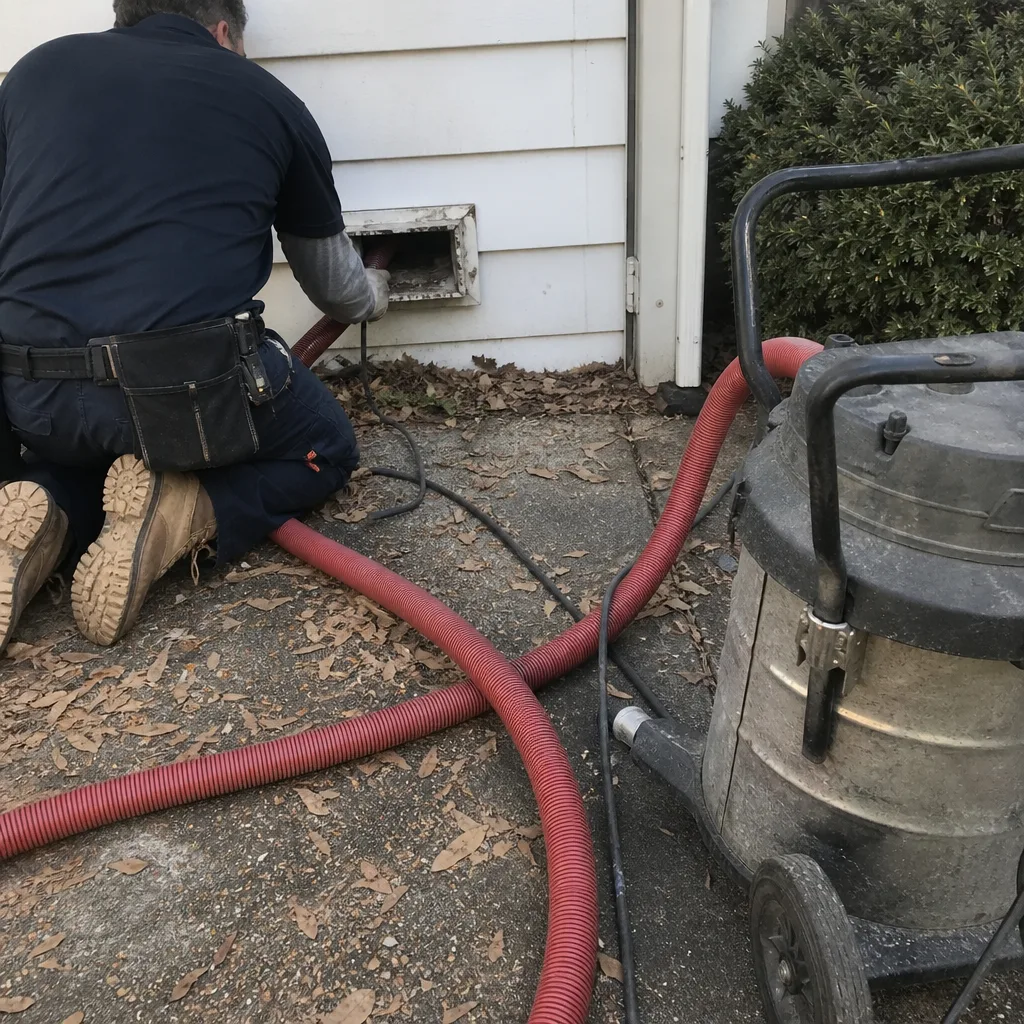 Before
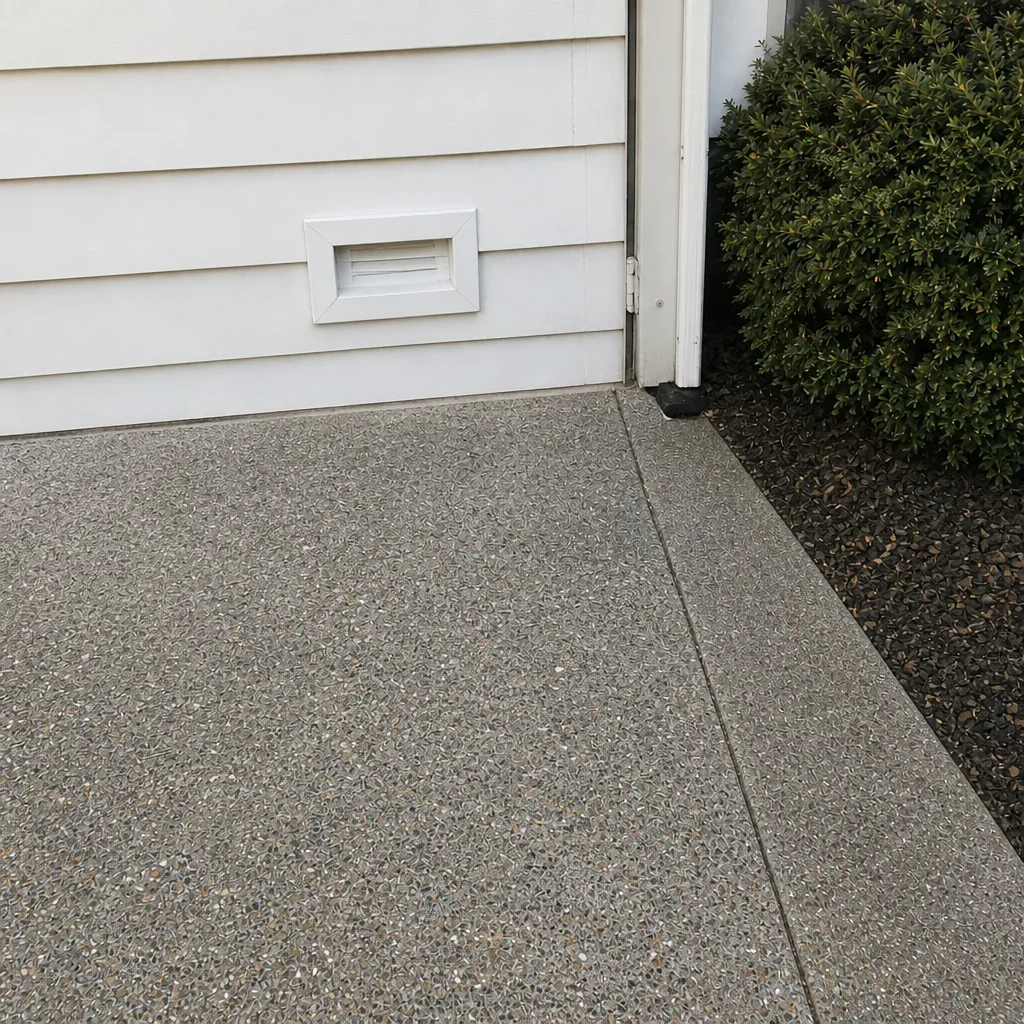 After
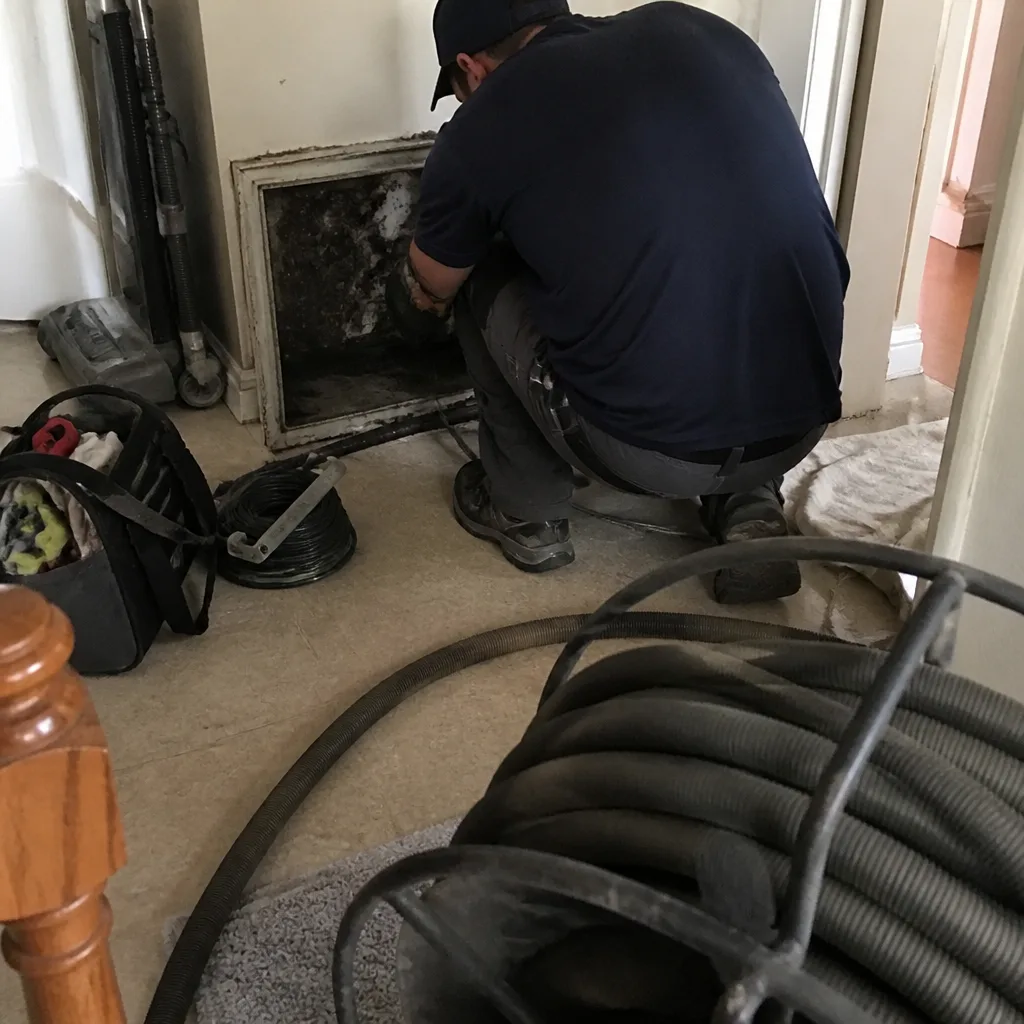 Before
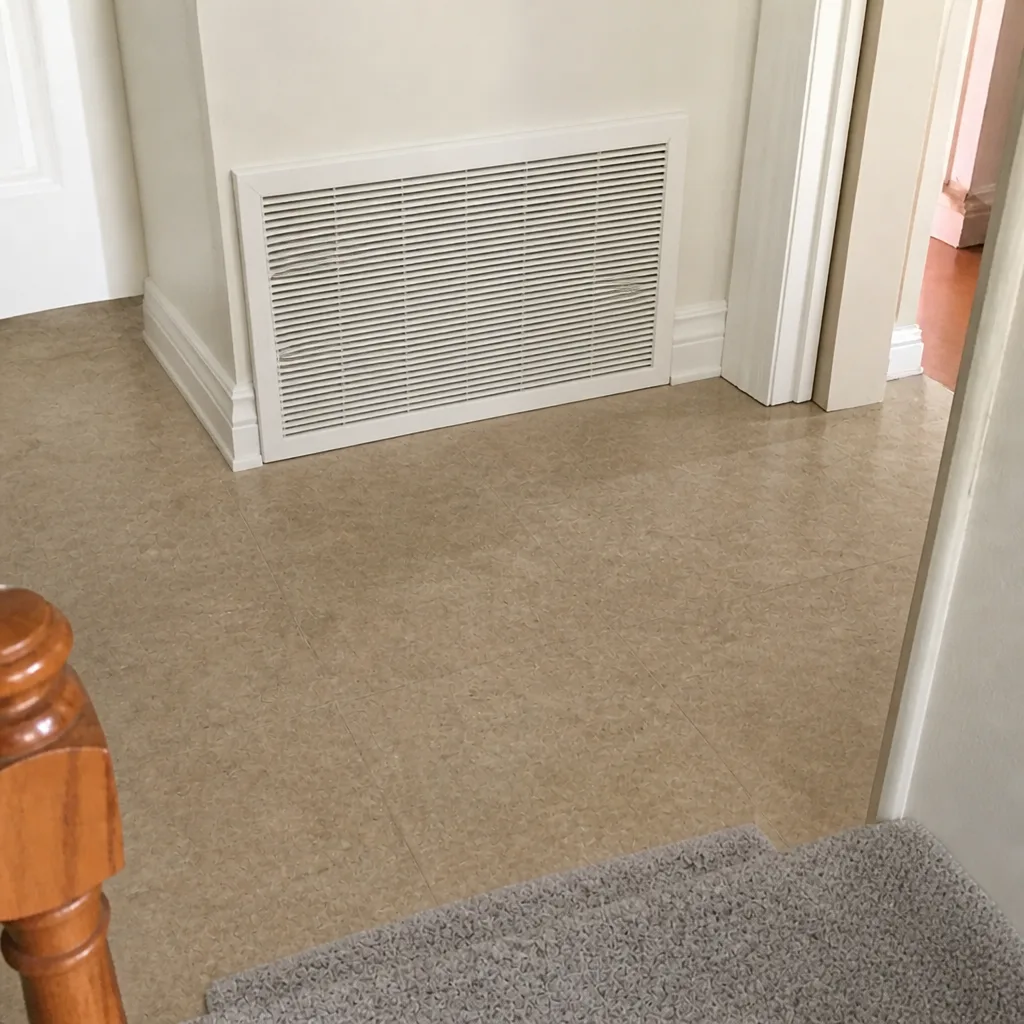 After
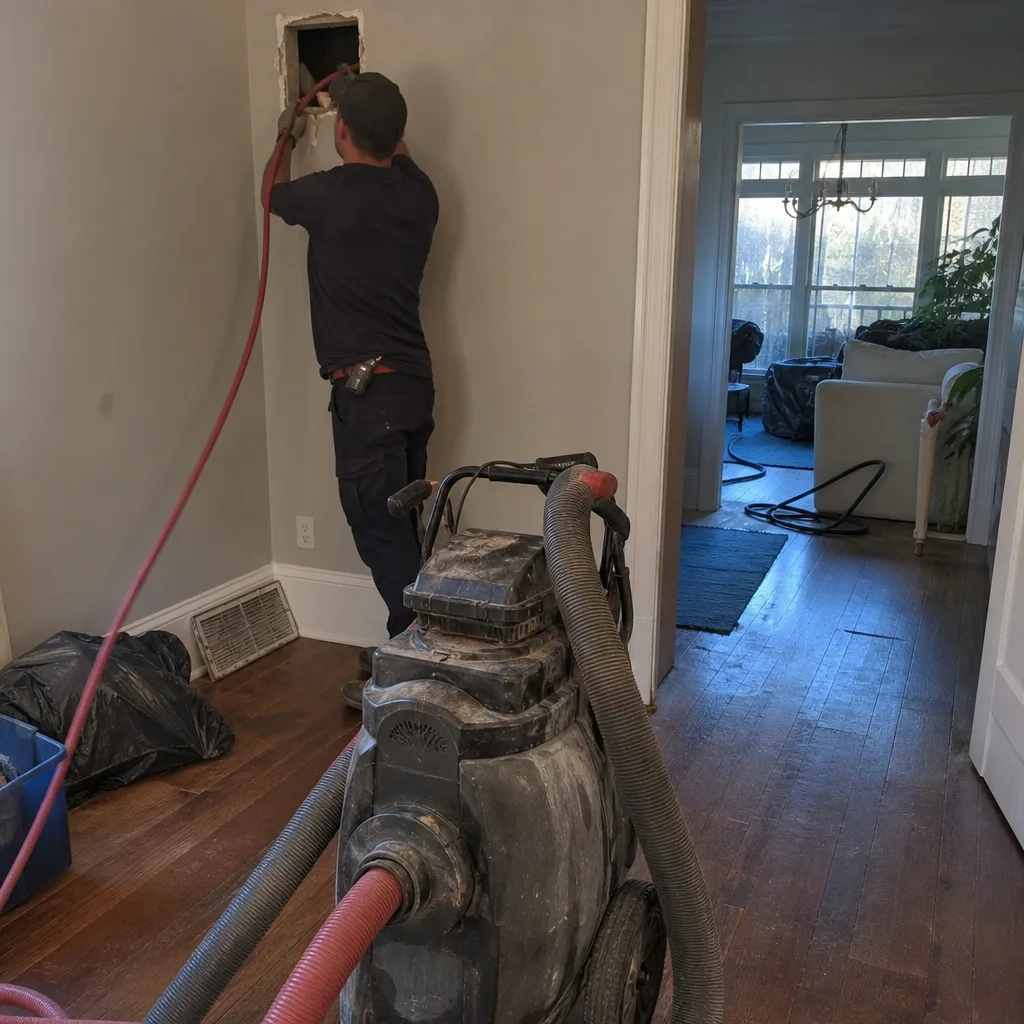 Before
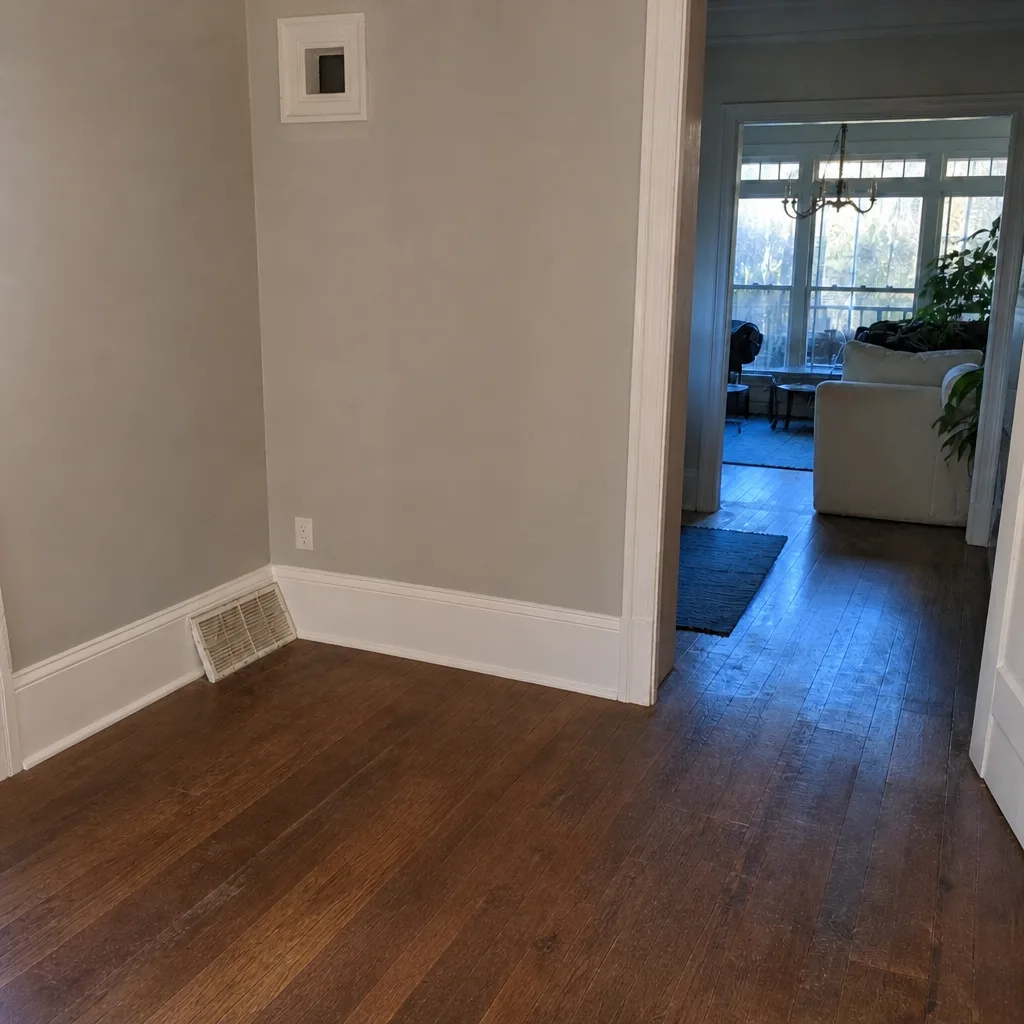 After
When to Call a Professional
A few scenarios point clearly to calling a professional rather than reaching for a home vacuum and a brush. If there’s a musty or chemical odor every time the heating or cooling runs, that’s contamination in the system. If anyone in the household has allergies, asthma, or a new baby, that’s a reason to have the system assessed. If you’ve just finished a renovation and the registers are kicking out fine dust, that’s the moment to clean – not months later after it has settled into the coil. Persistent dust on the registers, visible debris, a drop in airflow, or an unknown history of the system are all signs a full-system assessment is worth it. Air Duct Cleaning Midtown offers free estimates in Midtown – call (844) 605-0607. We answer 24/7. Fast dispatch from 7am to 7pm, Sunday through Friday. Every price is per job, set by the written estimate, with no per-vent charges.
Frequently Asked Questions
Air duct cleaning in Midtown is priced per system, not per vent, and the written estimate sets the final price. A full-system job covering ducts, HVAC unit and coil, dryer vent, and repair and sealing runs more than a single-service vacuum because more of the air pathway is addressed. Ask for the written estimate before work begins. Call (844) 605-0607 for an exact quote – estimates are free.
Cheap quotes usually cover less work: one component (ducts only), no HVAC coil, no dryer vent, and surface agitation with consumer-grade equipment instead of rotary brush and HEPA extraction. Per-vent pricing is the other trap – a low headline becomes a bigger invoice once the technician is on site. Ask what the quote includes and what equipment they bring. Call (844) 605-0607 for a written, whole-system estimate.
You should get before-and-after photos of your own ducts, inspection port checks, and airflow readings taken before and after cleaning. A contractor who won’t show you the inside of the ducts before and after can’t prove the work was done. Ask for it in writing, then keep the documentation. Call (844) 605-0607 to book a full-system assessment.
Every three to five years is a reasonable baseline for a home with pets or a family, with a sooner visit after a renovation, a new baby, or persistent musty odor. Dryer vent cleaning is different – lint accumulates continuously and it’s a fire-safety matter, not an air quality preference. Call (844) 605-0607 for an exact answer about your system – estimates are free.
Yes. Summer moisture pushes humidity into the range where dust on duct walls becomes a food source for mold and mildew, and that growth embeds at the duct surface, so it needs mechanical dislodging rather than a vacuum. That’s why source-removal cleaning – rotary brush and HEPA extraction – matters more here than in drier climates. Call (844) 605-0607 to have your system evaluated.
We repair and seal as part of the same job. Cleaning around a leaky duct leaves the reason the system pulls in unfiltered air in place, so we seal gaps and disconnections found during the survey. That’s part of full-system scope, not an upsell. Call (844) 605-0607 for a free estimate.
The Bottom Line
Air duct cleaning in Midtown is not a single brush-and-vacuum pass. It’s a source-removal job shaped by Georgia’s humidity and the older multi-story homes in this market – which means contamination comes in layers of settled dust, mold spores, and VOC residue that only mechanical dislodging under negative pressure and HEPA collection actually removes. A real job covers the full air pathway (ducts, HVAC coil, dryer vent, and repair and sealing), arrives with professional-grade equipment, and ends with photos, airflow readings, and documentation. Ask what equipment a contractor brings and ask for the written, whole-system price before work begins. Call (844) 605-0607. We answer 24/7. Fast dispatch from 7am to 7pm, Sunday through Friday.
Written by the team at Air Duct Cleaning Midtown.