
Last updated November 25, 2026
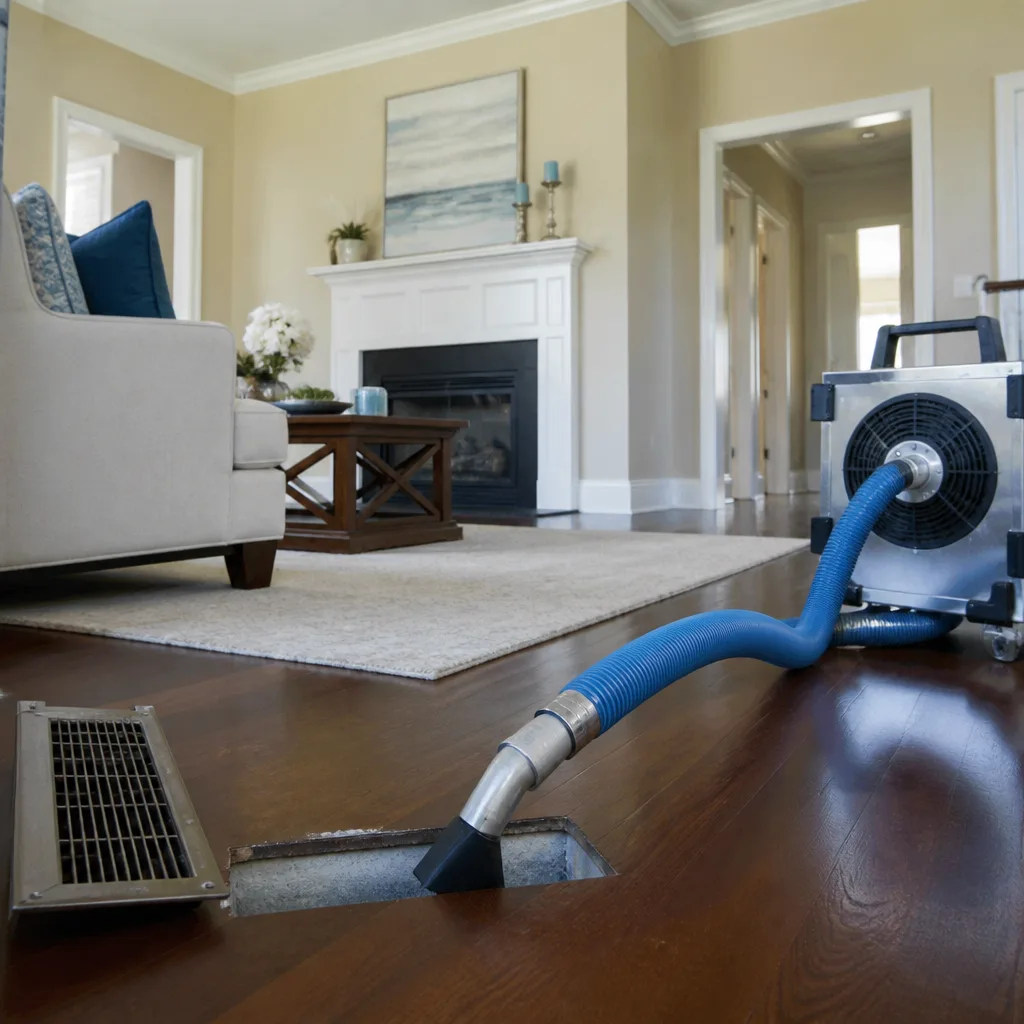
 Whole-home duct cleaning
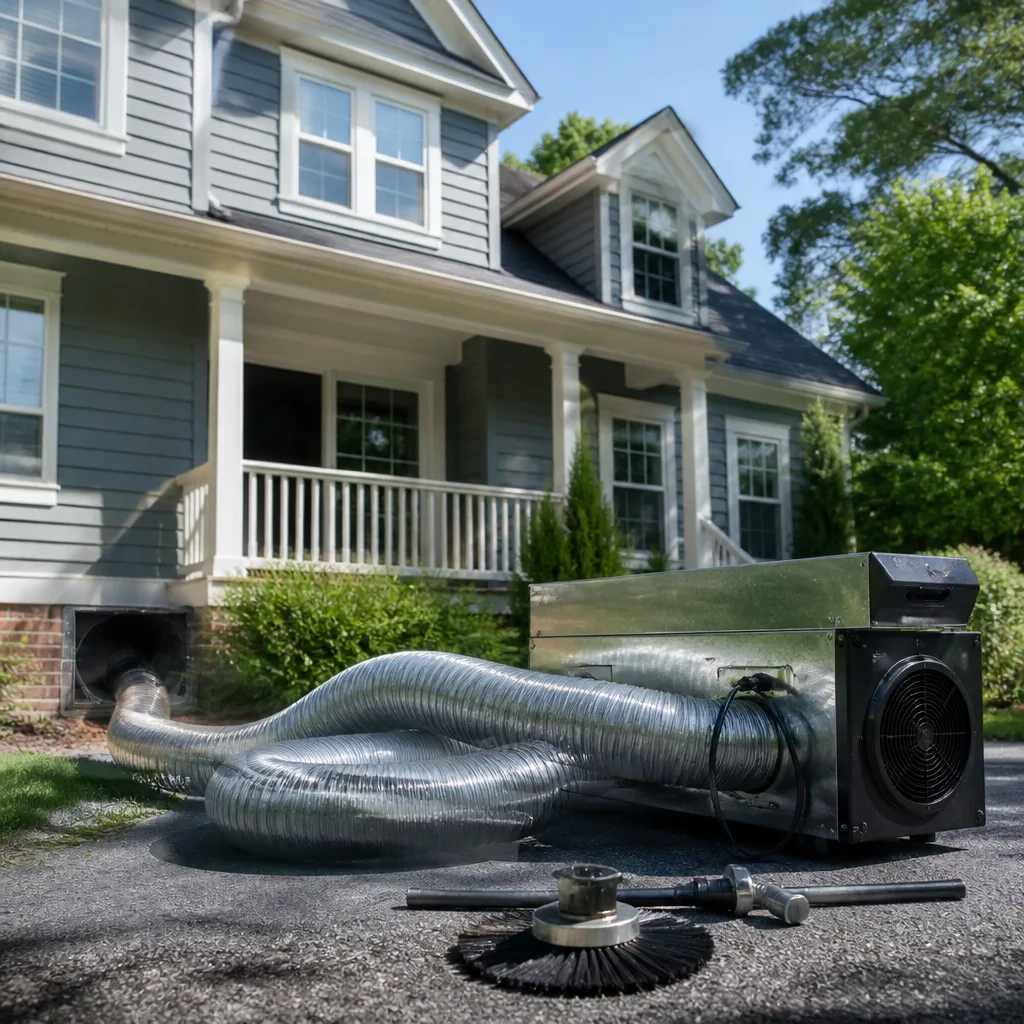
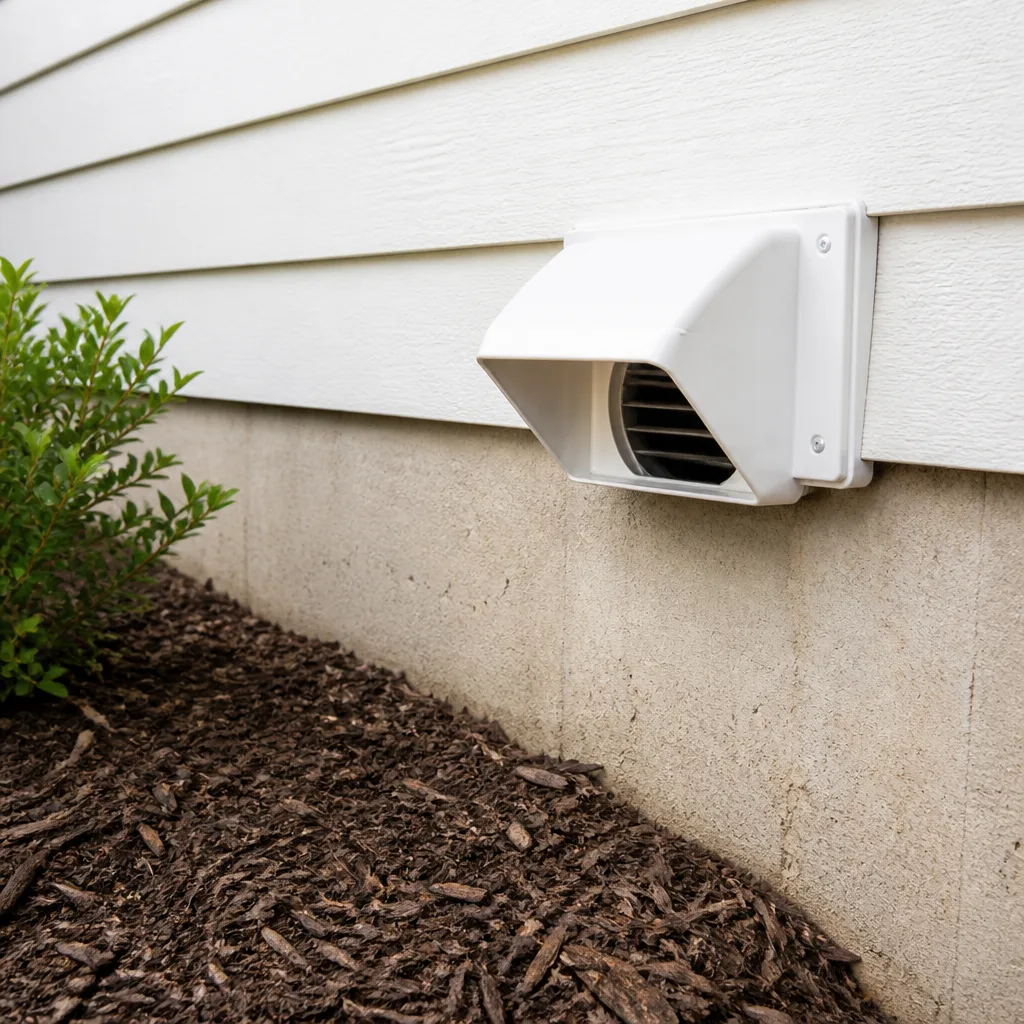 Dryer vent cleaning
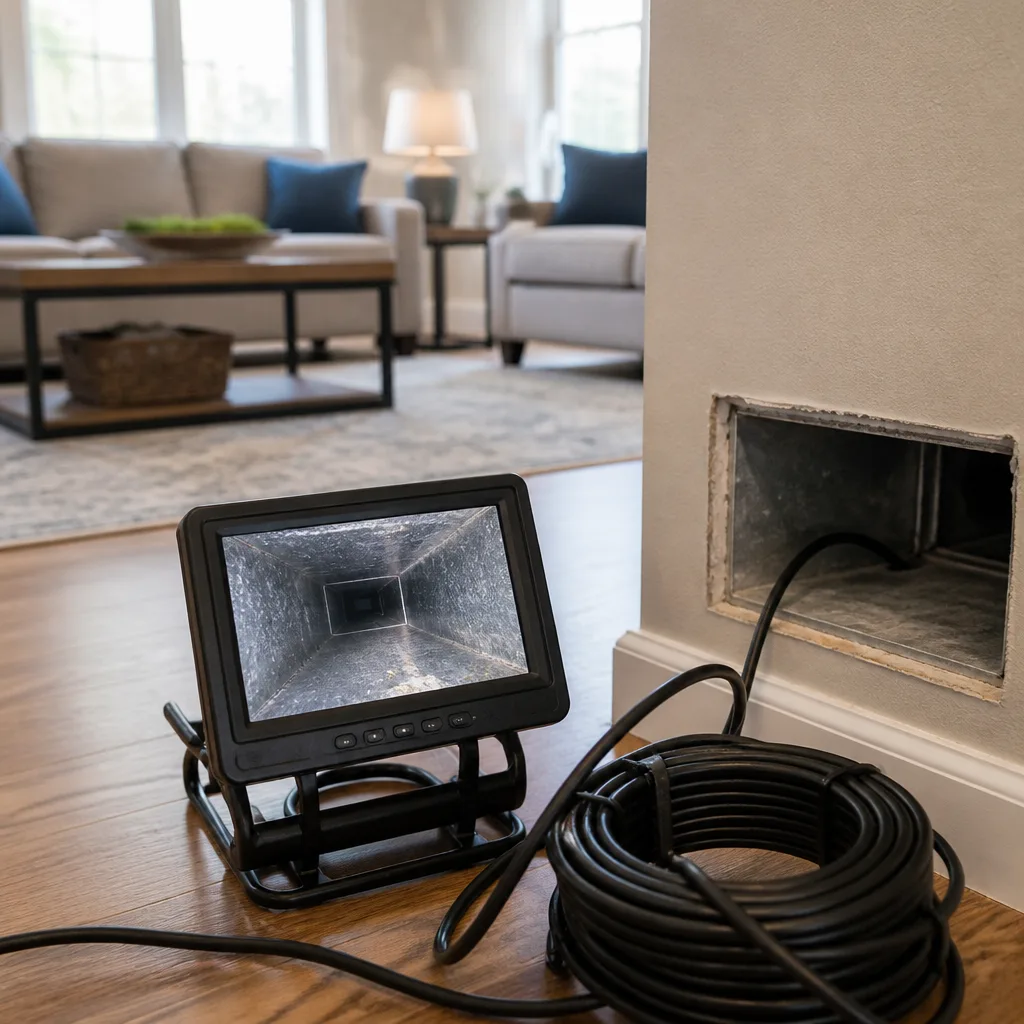 Camera inspection
 Sanitizing & deodorizing
Whole-system duct and dryer vent check with before-and-after photos - you see exactly what came out of your vents
That "$99 whole-house special" is a bait ad - the real number appears once they are in your hallway, or the "clean" is a shop-vac at the register. We photograph the inside of your ducts before and after instead.
How to Hire an Air Duct Cleaning Contractor in Midtown: A Step-by-Step Guide
Most people shop for duct cleaning the way they shop for a haircut: lowest price wins. That logic fails badly here. The EPA has documented that improper duct cleaning can dislodge settled contaminants and push them deeper into living spaces, which means a bad hire doesn’t just waste money, it actively makes your indoor air worse. The contractor who shows up with the wrong machine, no containment, and a single technician can leave your system dirtier than they found it. This guide walks you through the five equipment and process questions that separate abatement-grade professionals from crew-and-a-shop-vac operations, how to read a scope-of-work proposal, and how to compare quotes in Midtown without getting fooled by a teaser price.
Quick Answer
Hiring a duct cleaning contractor in Midtown means verifying three things before you book: the equipment (a HEPA-filtered negative air machine, a rotary brush system, and containment barriers), the scope of work in writing (register count, linear footage, component list), and the crew’s process (pre-inspection, before-and-after photos, one flat price agreed before work starts). Ask what vacuum and brush system they use, request a written proposal, and walk away from any flat-rate advertised special that skips a pre-inspection. A legitimate contractor will answer all of it without hesitation.
Styles & brands we work with
- Whole-home duct cleaning
- Dryer vent cleaning
- Camera inspection
- Sanitizing & deodorizing
Table of Contents
- The Equipment Questions to Ask Before You Book
- What NADCA Membership Actually Obligates a Contractor To Do
- Red Flags in Low-Cost Advertised Specials
- What a Legitimate Scope-of-Work Proposal Looks Like
- How to Compare Quotes When the Scopes Are Different
- Why Midtown Homes Pose Particular Duct Challenges
- A Step-by-Step Hiring Walkthrough
- Common Mistakes to Avoid
The Equipment Questions to Ask Before You Book
Equipment is the single most reliable proxy for whether a contractor is serious. The machines do the work, and the wrong machines cannot be compensated for with effort. Ask these questions on the phone and listen for specific brand names. A professional will name their equipment the way a mechanic names their torque wrench. A crew-and-a-shop-vac operation will answer vaguely.
The four questions that matter:
- What negative air machine do you use, and is it HEPA-filtered? The vacuum has to be strong enough to put the whole duct system under negative pressure so dislodged debris moves toward the collection unit, not into your living room. HEPA filtration on the exhaust side means particles that escape the collection chamber are still captured, not recirculated. Professional platforms like Nikro are built for this kind of containment work.
- What brush or agitation system do you use? A vacuum alone lifts loose dust but leaves the adhered film on duct walls. Rotary brush systems like Rotobrush are contact tools that scrub the interior surface while the vacuum pulls debris away. Ask whether the brush system reaches every branch line or only the main trunk.
- Do you set up containment barriers? Real containment means sealing registers and work areas during cleaning, and using air filtration equipment that handles contaminants rather than just dust. Abatement Technologies equipment exists for exactly this reason; it is the same class of machine used in mold and contaminant abatement, where letting particles escape isn’t an option.
- Do you do a pre-inspection? Any contractor who quotes a price without looking at the system is guessing. The pre-inspection is where the register count, duct material, and obvious damage get documented.
Our technicians have up to 13 years of experience, and in that time the pattern has been consistent: the contractors who stumble on these questions are the same ones who leave a mess behind. We run Rotobrush and Nikro systems on every air duct cleaning job, with Abatement Technologies filtration for containment. When you’re interviewing contractors in Midtown, the equipment answers separate the field quickly.
What NADCA Membership Actually Obligates a Contractor To Do
The National Air Duct Cleaners Association (NADCA) publishes a standard that defines how duct cleaning should be performed. Membership is a meaningful signal, but it’s important to understand what it does and doesn’t guarantee. Membership commits a contractor to follow the NADCA assessment, cleaning, and restoration process and to source equipment capable of actually doing the work. It does not audit every job, and it doesn’t replace your own vetting.
What NADCA membership obligates a contractor to do:
- Assess the system before cleaning and document conditions, rather than quoting blindly.
- Use source-removal methods (contact agitation plus negative pressure) rather than chemical fogging or seal-and-forget approaches.
- Protect the building and its occupants during cleaning, including containment and filtration.
- Clean all components of the system, not just the visible supply ducts. That includes the return side, the air handler, and the plenum.
- Provide post-cleaning verification so the customer can see the result.
What membership does not cover: it doesn’t guarantee a specific crew shows up, doesn’t set the price, and doesn’t verify that your particular contractor’s equipment is in working order. You still verify. Ask for the contractor’s NADCA status, then follow up with the equipment questions in the previous section. The two together give you a complete picture. In Midtown, where older HVAC systems and mixed duct materials are common, the assessment step matters more than in new construction where ductwork is uniform and clean.
Red Flags in Low-Cost Advertised Specials
The flat-rate $99 duct cleaning offer is the single most predictable path to a bad outcome. It isn’t that a low price is inherently dishonest. It’s that the price has to be made somewhere, and the most common place is an on-site upsell once the technician has your system open and the customer feels committed. Here’s what to watch for.
- Flat-rate advertised specials with no pre-inspection. If the price is quoted over the phone without anyone asking about register count, duct material, or system age, you’re being quoted a marketing number, not a job price.
- Price quoted per vent. Per-vent pricing is designed around a count the customer can’t verify and the contractor controls. It also invites the technician to find “extra” vents on arrival. Whole-system pricing avoids the dispute entirely.
- Single-technician crews. Duct cleaning with proper containment and agitation is a two-person job at minimum in most Midtown homes. One technician working a rotary brush and running a negative air machine at the same time means something is being skipped.
- No mention of HEPA filtration. A contractor who can’t tell you whether their vacuum filters at HEPA level likely isn’t running a machine that does.
- No scope of work in writing before the visit. An email or written proposal should list register count, linear footage, and components before the technician arrives. Verbal agreements leave room for the invoice to grow.
- Pressure to sanitize on arrival. Sanitizing is a legitimate service, but it should be offered as a documented option in the proposal, not pitched as a surprise add-on once the system is open.
- No before-and-after documentation offered. If the contractor doesn’t photograph their own work in your home, you have no way to confirm the ducts were actually cleaned.
When you compare contractors in Midtown, ask each one how they price and how they document. The answers sort the field without you ever having to evaluate a price in isolation.
What a Legitimate Scope-of-Work Proposal Looks Like
A written proposal from a professional duct cleaning contractor reads more like a construction scope than a promotional flyer. It lists what’s included, what isn’t, and what the price covers. If a contractor can’t produce one before the visit, that’s a strong signal about how the job will be handled.
Every legitimate proposal should include these elements:
- Register count. The exact number of supply and return registers the quote covers. If a proposal doesn’t state it, the contractor controls the count later.
- Linear footage of ductwork. A rough figure is acceptable, but it should be there. It’s the primary driver of labor.
- Component list. Which parts of the system are included: main trunk, branch lines, returns, air handler cabinet, blower, coils, plenum. Vague descriptors like “full system” don’t count.
- Cleaning method. The specific equipment and method being used: contact agitation via rotary brush, negative air with HEPA filtration, containment setup.
- Sanitizing as a named option. Not bundled in silently, not pitched on-site; offered in writing with the price attached so you can decide before the visit.
- Repair and sealing. Any observed duct damage that will be treated as a separate item, or a note that repair work was not included. Duct Repair & Sealing is a named service with many contractors, but not all. If the contractor doesn’t offer repair, you’ll want to know before they find a leak that “requires” a second visit from a different company.
- Documentation promise. Before-and-after photos, provided to you. This is the only way to verify that the work described was actually performed.
- Total price and payment terms. One flat price for the whole system, agreed in writing before the visit. No per-vent line items, no call-out charge added later.
Notice that none of these elements involve a promotional dollar figure. The proposal is a job document, and the price reflects the job. When you compare proposals in Midtown, put them side by side using this list and you’ll spot the one that’s missing half the information.
How to Compare Quotes When the Scopes Are Different
The most common way homeowners get confused in the duct cleaning market is by comparing prices that don’t cover the same work. A $99 quote and a $650 quote are not the same job. Before you compare dollars, compare scopes.
Follow this sequence:
- Normalize the register count. Ask each contractor to confirm the register count they included. If one quoted 12 registers and another quoted 18, you aren’t comparing like with like.
- Confirm which components are covered. A quote that covers supply ducts only is roughly half the job of a quote covering supplies, returns, and the air handler. The return side is often where the most debris collects.
- Check whether sanitizing is included. If one quote includes sanitizing and another doesn’t, adjust for that line item. Then ask whether you actually need it. Sanitizing addresses microbial growth, not bulk dust. If your system doesn’t have a moisture or contamination problem, it isn’t automatically necessary.
- Confirm equipment and crew size. A quote that comes with two technicians and a HEPA-filtered rotary brush setup reflects more labor than a single tech with a portable vacuum. Different jobs, different prices.
- Confirm repair and sealing is either included or excluded in writing. If the proposal doesn’t say, ask. If damaged ducts are found mid-cleaning, you want a clear policy on how that’s handled, not a surprise line item.
- Request the documentation standard. Ask how you’ll confirm the work was done. A well-run operation photographs before and after and shares the images with you.
Once you’ve normalized on those six points, the price comparison becomes meaningful. In Midtown, the contractors with full-system capability usually quote a bit higher on paper and end up cheaper overall, because the return side, the blower, and any damaged ductwork are handled in the same visit rather than in a second or third appointment.
Why Midtown Homes Pose Particular Duct Challenges
Duct cleaning is not the same job in every city. Midtown’s housing mix includes a lot of older construction alongside recent renovation work, and both affect what a contractor will find when they open the system. Older ductwork often has compromised insulation, loose joints, and accumulations that have had years to settle. Renovated homes have their own problem: drywall dust, sawdust, and construction debris pulled into the return side during a remodel and distributed through the system long after the paint dries.
Both conditions argue for a contractor with full-system capability rather than a vacuum-only approach. Here’s why:
- Drywall dust is finer than ordinary household dust and passes through cheap filters. Only HEPA-grade filtration on the cleaning equipment captures it.
- Older flex duct with compromised insulation often needs repair or resealing once the debris is removed. A contractor who can’t repair can only clean around the damage and leave it in place.
- Humidity through the Georgia summer creates conditions where biofilm can develop in wet spots. Sanitizing isn’t always necessary, but the ability to assess and treat it in one visit is worth having.
- Return ducts and the air handler cabinet often carry the heaviest burden and are frequently excluded from cheap quotes. They’re also the components that most affect indoor air quality.
We serve Midtown homeowners and property managers, and the pattern is consistent: systems that haven’t been opened in years have more going on than the owner expects. The proposal should anticipate that, not be surprised by it. You can read more about how we approach HVAC cleaning and the air handler side of the job if you want the technical detail.
A Step-by-Step Hiring Walkthrough
Here’s the sequence we’d follow if we were hiring a duct cleaning contractor in Midtown. It’s the same sequence we recommend to property managers evaluating us against competitors.
- Clarify the trigger. What’s prompting the call? Allergies, a musty smell, a recent renovation, a new baby, or an HVAC system that isn’t moving air like it used to. Write it down. A good contractor will ask, and their answer tells you whether they understand indoor air quality or just collect debris.
- Call three contractors. Not five; three is enough to see the spread. Ask the four equipment questions on each call.
- Request proposals in writing. All three, using the scope list from the previous section.
- Check NADCA status for each one and confirm whether they offer Duct Repair & Sealing, or if that would require a separate contractor.
- Normalize and compare using the six-point sequence above. Pricing only makes sense once the scopes match.
- Ask about long-term filtration. Cleaning resets the system; filtration maintains it. Contractors who work with brands like Honeywell or Aprilaire can recommend and install filtration upgrades as part of the same relationship. Ones who only clean will hand you a business card and move to the next house.
- Book the visit and request the documentation. Before-and-after photos, in-hand, before final payment.
We run every job this way for our own air duct cleaning Midtown customers, and we don’t think the sequence is unusual. It’s just what a professional engagement looks like. If a contractor resists the process, that resistance is the answer.
Common Mistakes to Avoid
- Booking based on a phone-quoted flat price. A price given before anyone has seen the register count or duct material isn’t a price; it’s a marketing pitch. Two sentences later, the invoice is different. Insist on a written estimate after a pre-inspection, even if it comes by email.
- Skipping the return side. Cheap quotes often cover supply registers only. In Midtown homes with older systems, the return plenum and air handler cabinet are frequently the dirtiest components, and skipping them leaves the actual air quality problem untouched.
- Assuming sanitizing is always necessary. It’s a legitimate service when there’s microbial growth or moisture, but it isn’t automatic. A contractor who bundles it in without assessing is doing the same thing the per-vent priced ones do: charging for what’s easy to sell, not what’s needed.
- Choosing the contractor with the most reassuring phone manner. Warmth is worth something, but equipment, crew size, and documentation matter more. Ask about the machines, not the personality.
- Forgetting to ask about duct repair capability. If the system has compromised joints or insulation damage, a vacuum-only contractor will clean around the problem and leave it in place. Damage that stays in place means debris returns faster and efficiency never improves. Many of the systems we open in Midtown have at least one compromised section.
- Comparing quotes done at different scopes. Two quotes covering different register counts and component lists aren’t comparable even if the dollar figures are close. Normalize on scope before you normalize on price.
- Not demanding before-and-after photos. The single most reliable way to verify the work was done is photographic evidence from inside your own system. A professional will offer it; you shouldn’t have to ask twice.
See the difference
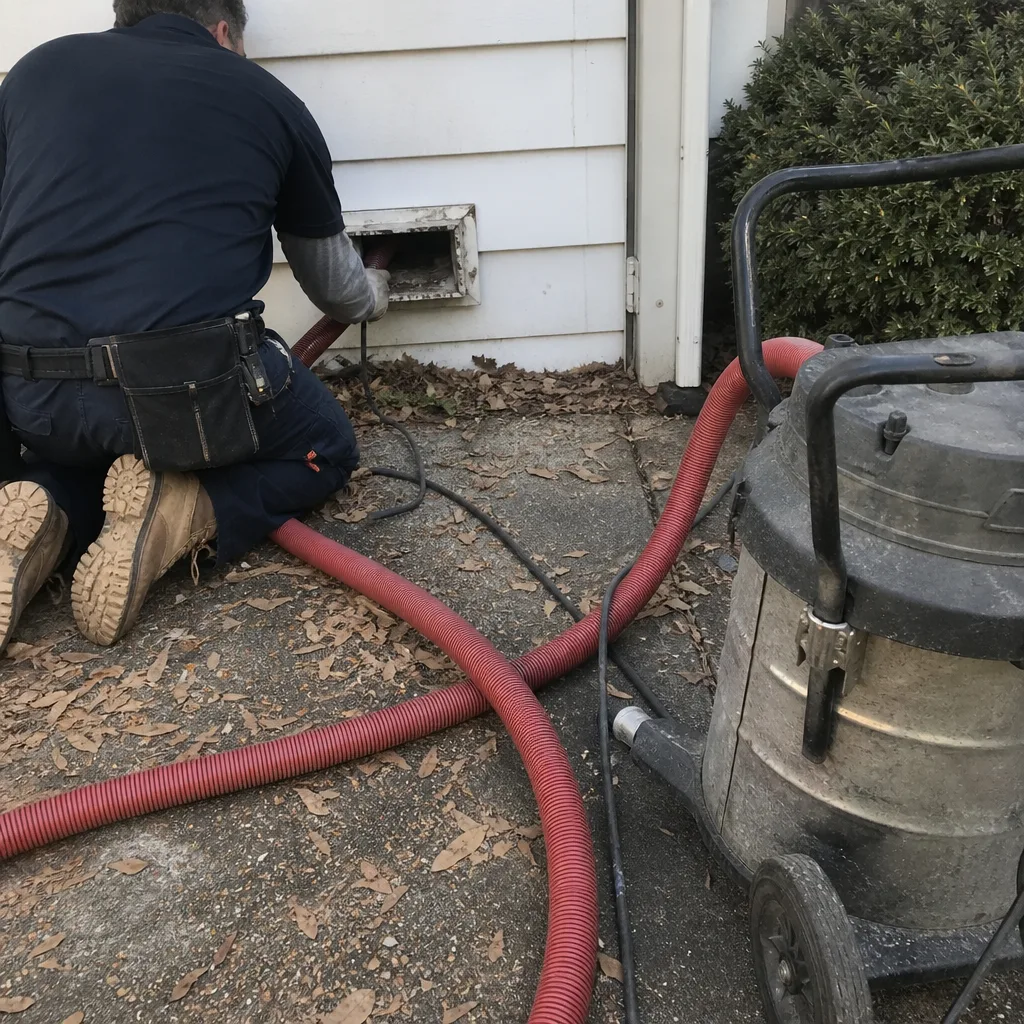 Before
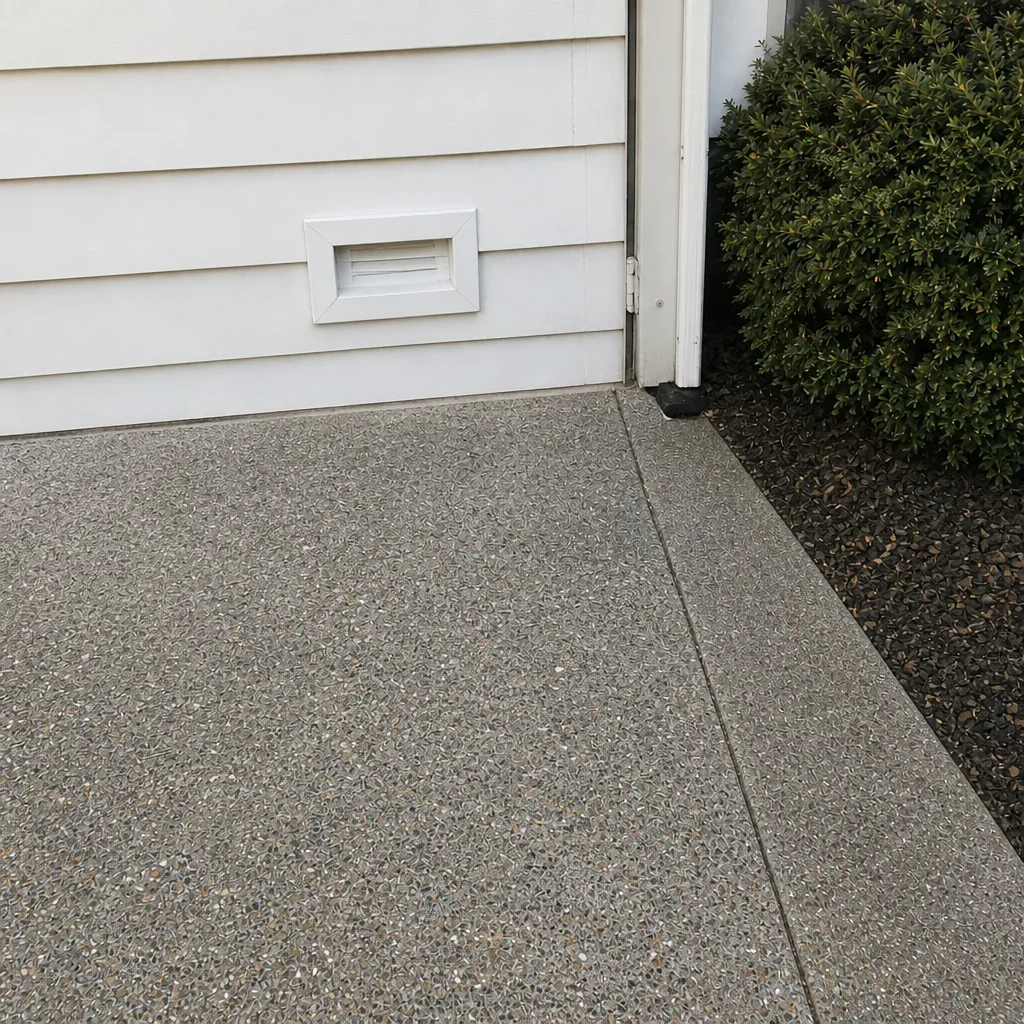 After
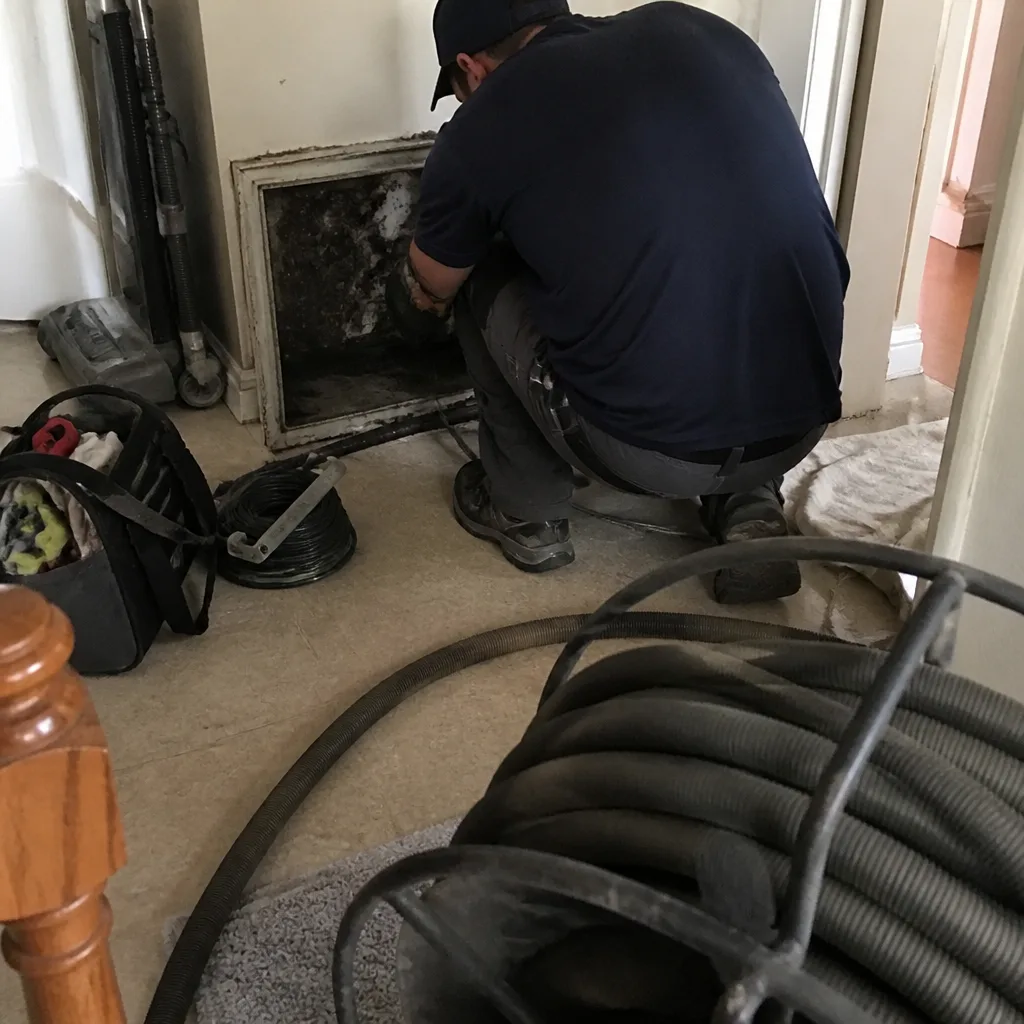 Before
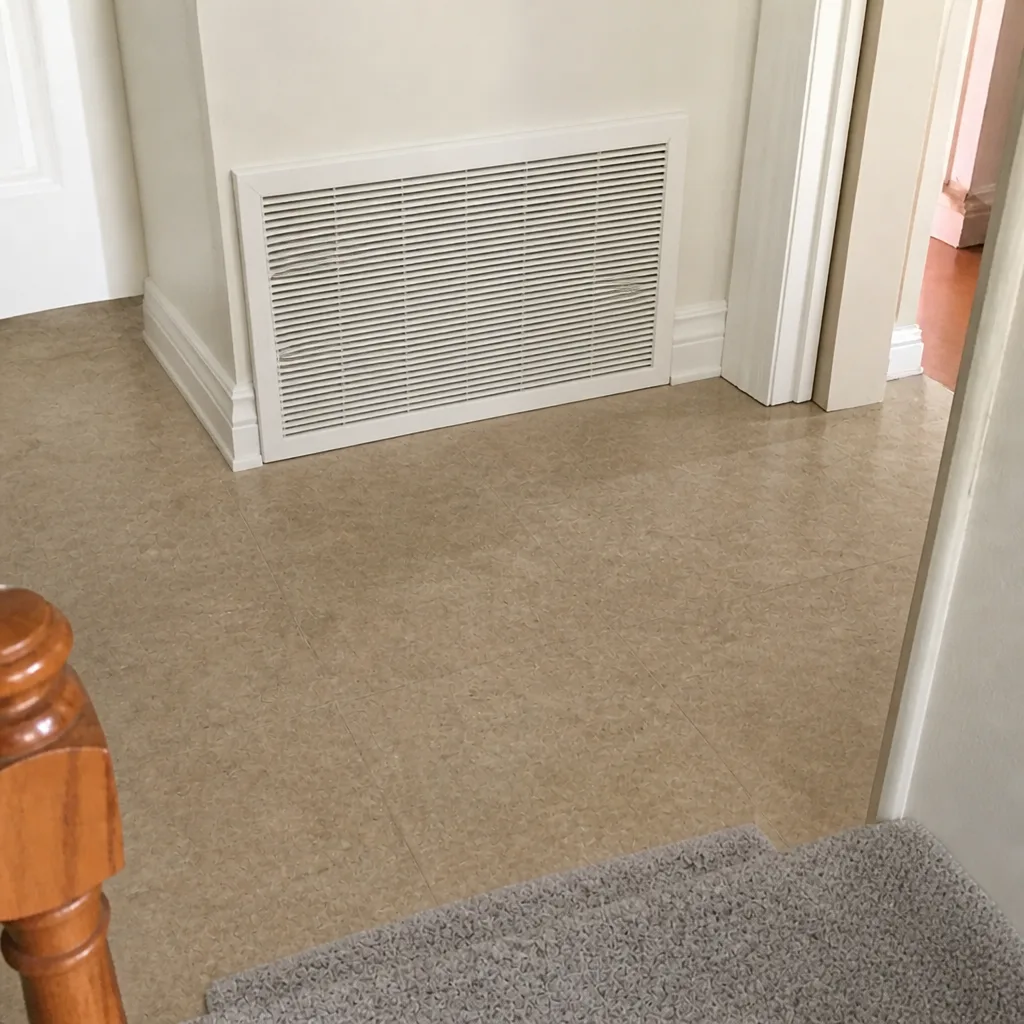 After
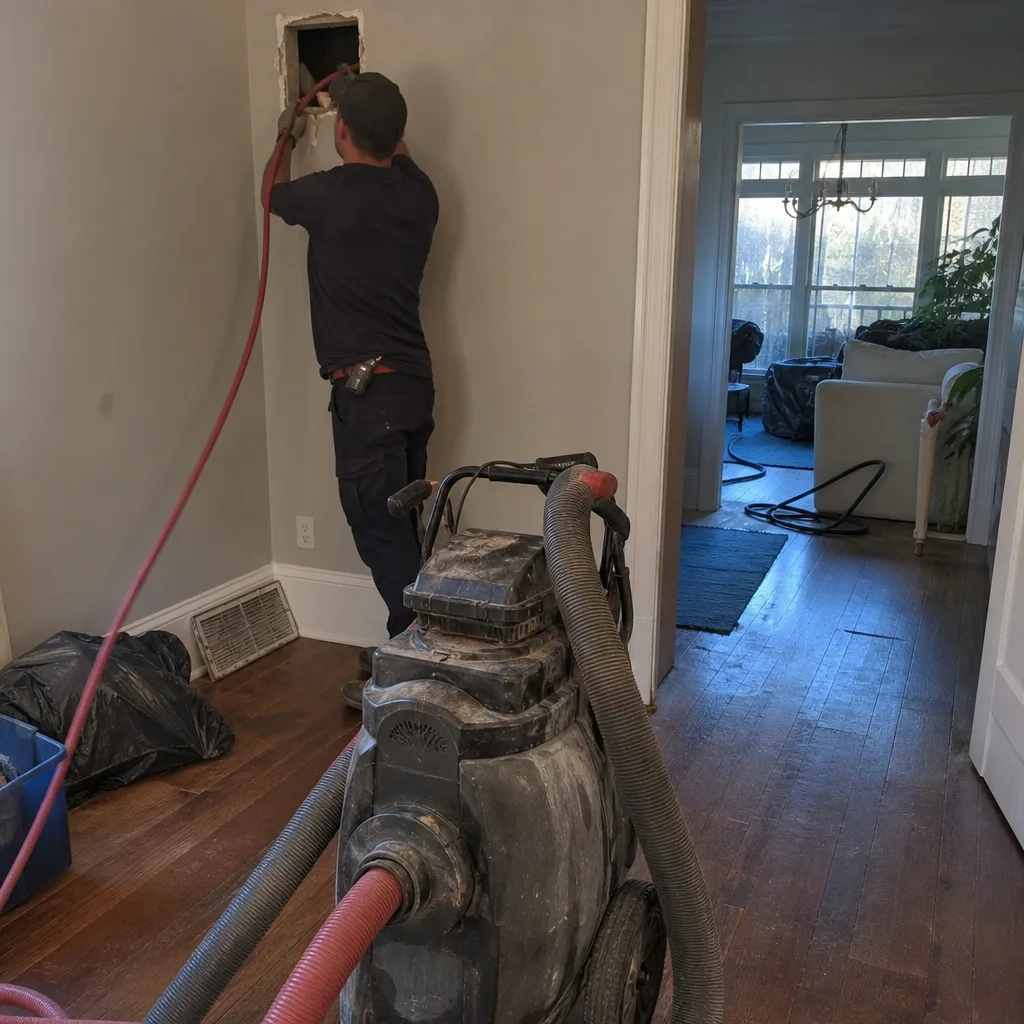 Before
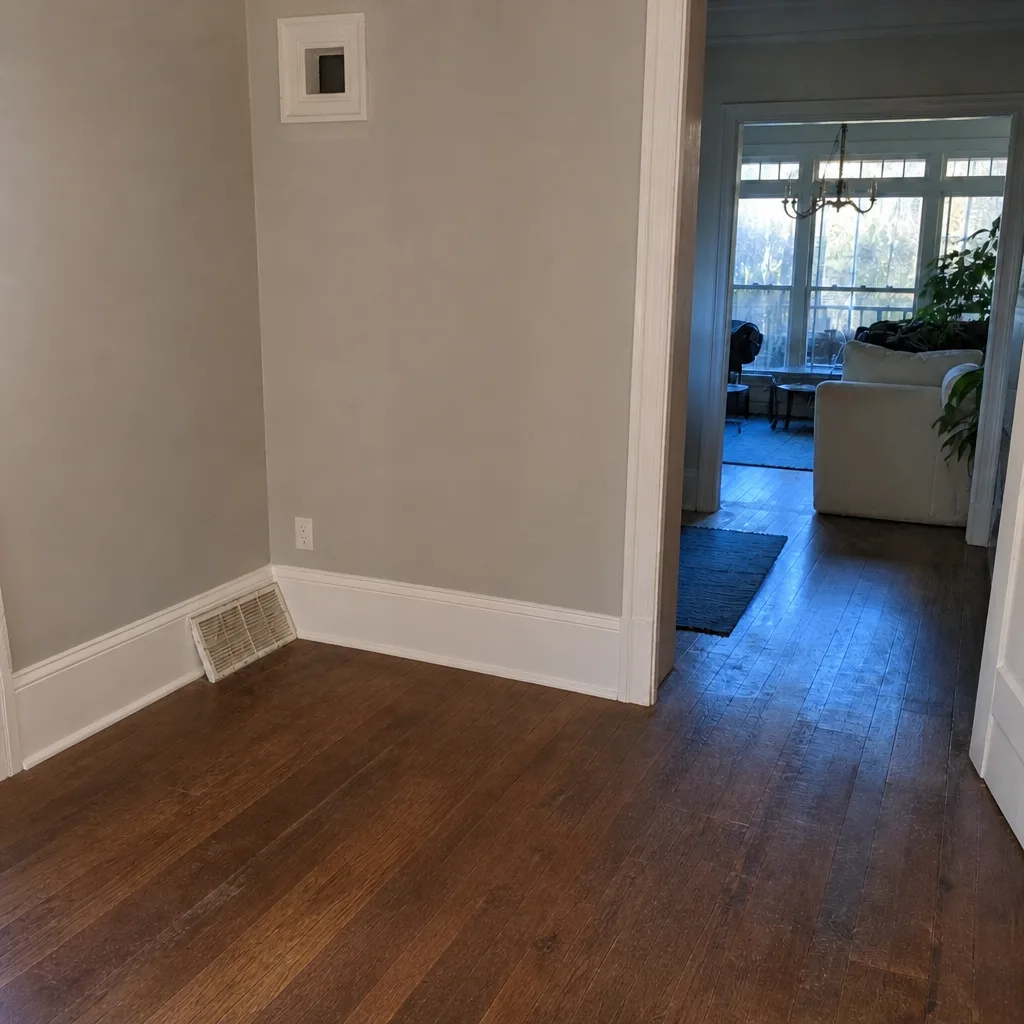 After
When to Call a Professional
Some signs of duct and air quality trouble are obvious; others aren’t. Call a professional if any of these apply: visible dust buildup around registers or return grilles, a musty or stale smell when the HVAC kicks on, allergy symptoms that worsen when the system is running, recent renovation or construction dust that was pulled through the return, a baby arriving in the household, or an HVAC system that heats and cools unevenly despite service to the equipment.
Because duct cleaning is a scheduled job rather than an emergency call, the right move is to book it before the trigger becomes a bigger problem. Air Duct Cleaning Midtown offers free estimates in Midtown with a written scope of work before work starts. Call (844) 605-0607 for an exact quote and we’ll walk through the register count and component list together. We answer 24/7, and fast dispatch runs 7am-7pm, Sunday through Friday.
Frequently Asked Questions
Midtown duct cleaning typically runs from about $350 for a smaller single-system home up to roughly $900 for larger properties with multiple systems, and pricing depends on register count, linear footage of ductwork, and which components are included. Those figures are estimated ranges, not fixed quotes; the written estimate after a pre-inspection sets the actual price. Be cautious of any advertised price far below that range, because it’s usually a flat-rate teaser that grows on-site once the technician has your system open. Call (844) 605-0607 for an exact quote – estimates are free.
Cheap quotes are usually quoting a different job: fewer registers, supply ducts only, no return side, no air handler, no containment equipment, and often a single technician with a shop-vac-class machine. When you normalize for register count, component list, equipment and crew size, the cheaper quote is rarely cheaper. Ask each contractor to itemize what’s in scope before you compare dollars. Call (844) 605-0607 if you want to talk through the scopes – estimates are free.
Ask for before-and-after photos taken inside your own ducts. A professional contractor photographs the interior before cleaning and after, and provides the images to you. Barring that, you can ask to inspect a few accessible registers yourself. Verbal assurances without documentation are worth little in this industry. Call (844) 605-0607 if you want to see how we handle documentation on a Midtown job – estimates are free.
Most homes need duct cleaning every three to five years, but that’s a rough guideline rather than a rule. Homes with pets, recent renovations, allergy sufferers, or older duct systems tend to need it more often. The better question is whether the system has a problem now: visible buildup at registers, musty odors, uneven airflow, or a recent construction project are all stronger signals than the calendar. Call (844) 605-0607 if you’d like a pre-inspection first – estimates are free.
A duct cleaner generally offers one service: vacuuming the ducts. A full-system contractor handles duct cleaning, HVAC cleaning including the blower and coils, dryer vent cleaning, air quality and sanitizing, and Duct Repair & Sealing. Midtown homes typically benefit from the broader capability, because duct issues and HVAC performance problems often turn out to be related. Our team runs all five services, using Rotobrush and Nikro systems along with Abatement Technologies filtration equipment to keep containment intact during cleaning. Call (844) 605-0607 if you want to know which services fit your system – estimates are free.
Yes, if you haven’t had it done in the last year or two. Dryer vent cleaning is a fire-safety item that many duct cleaners skip. Lint accumulation inside the vent line is a documented fire hazard, and the vent isn’t part of the HVAC system, so it won’t get cleaned by a duct-only contractor. Pairing dryer vent cleaning with a duct cleaning visit saves you a second appointment and covers the entire air pathway in the home. Call (844) 605-0607 if you’d like a combined quote – estimates are free.
The Bottom Line
Hiring a duct cleaning contractor in Midtown comes down to three verifiable questions: what equipment is on the way, what scope is written down, and how will the work be documented. Get specific answers to all three, and the price comparison becomes straightforward rather than misleading. The contractors who run HEPA-filtered negative air machines, rotary brush systems, and containment equipment are the ones whose results you can actually see afterward. The ones who quote a flat price over the phone and show up alone are the ones who leave your system worse off than they found it. Trust the process, verify the equipment, and insist on the written scope.
Our technicians have up to 13 years of experience, and we bring Rotobrush, Nikro, and Abatement Technologies equipment to every job. Call (844) 605-0607 for a free estimate. We answer 24/7. Fast dispatch from 7am to 7pm, Sunday through Friday.
Written by the team at Air Duct Cleaning Midtown.