
Last updated November 25, 2026
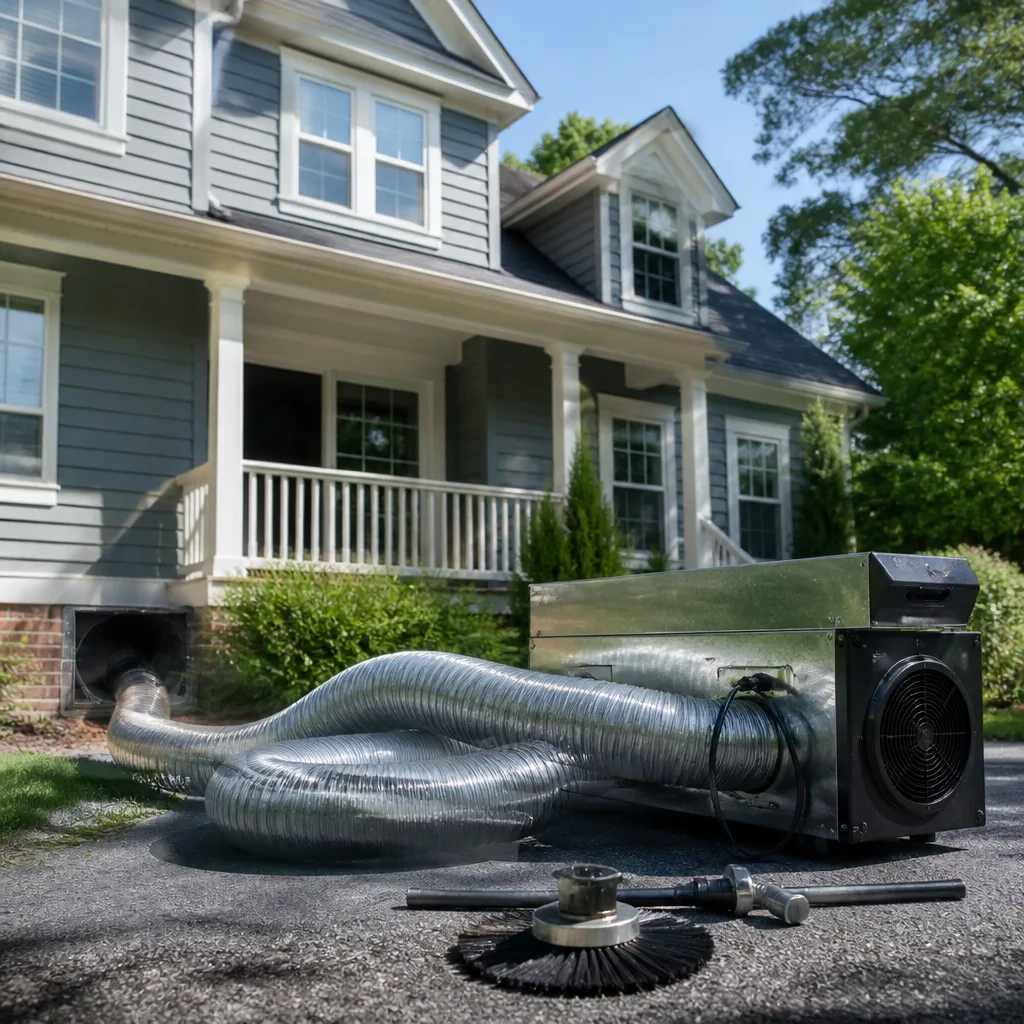 Whole-home duct cleaning
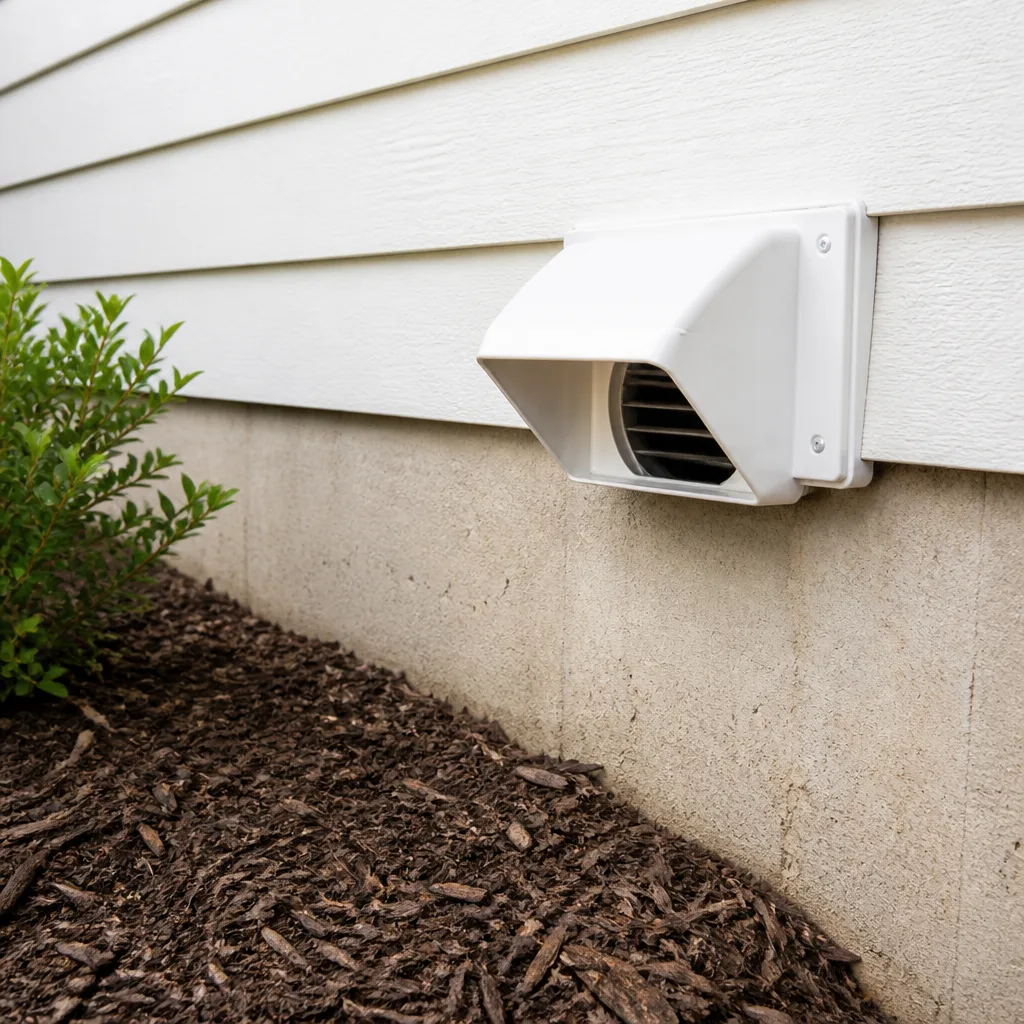 Dryer vent cleaning
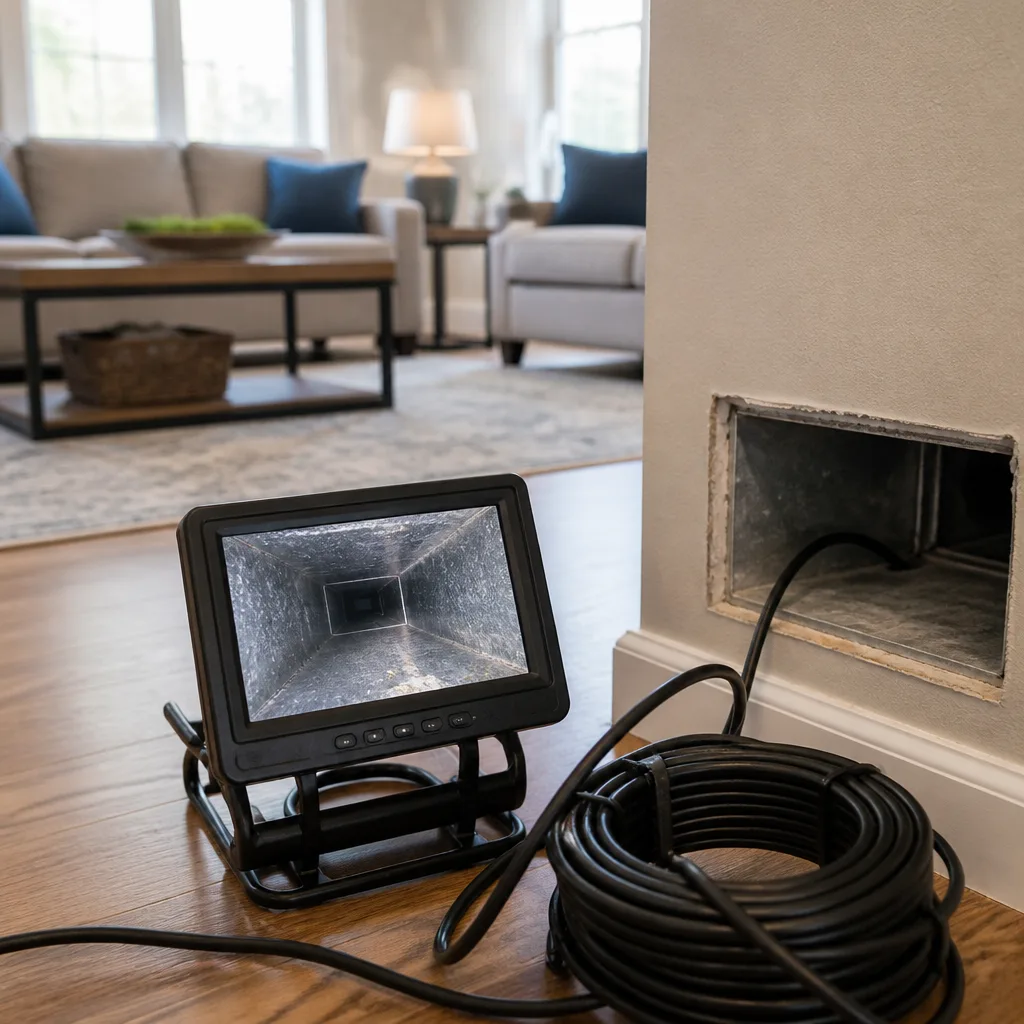 Camera inspection
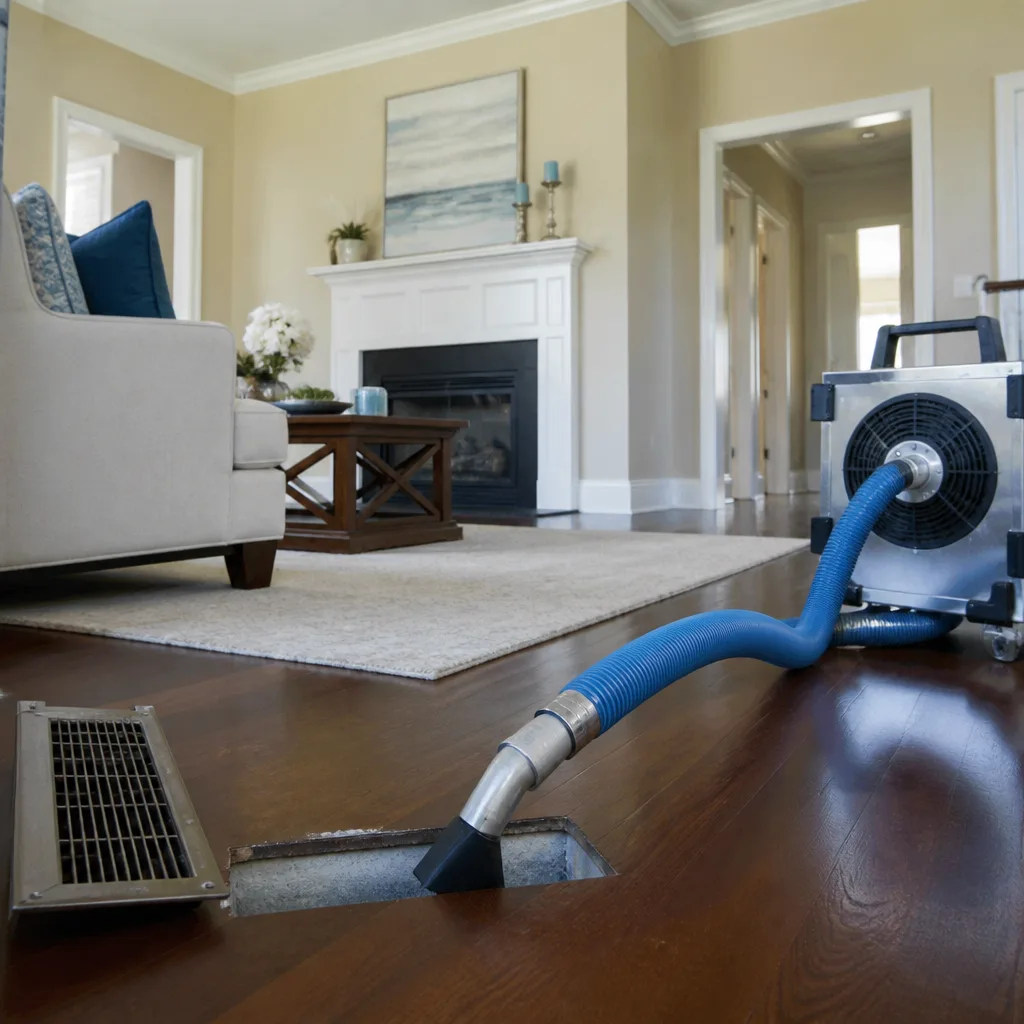 Sanitizing & deodorizing
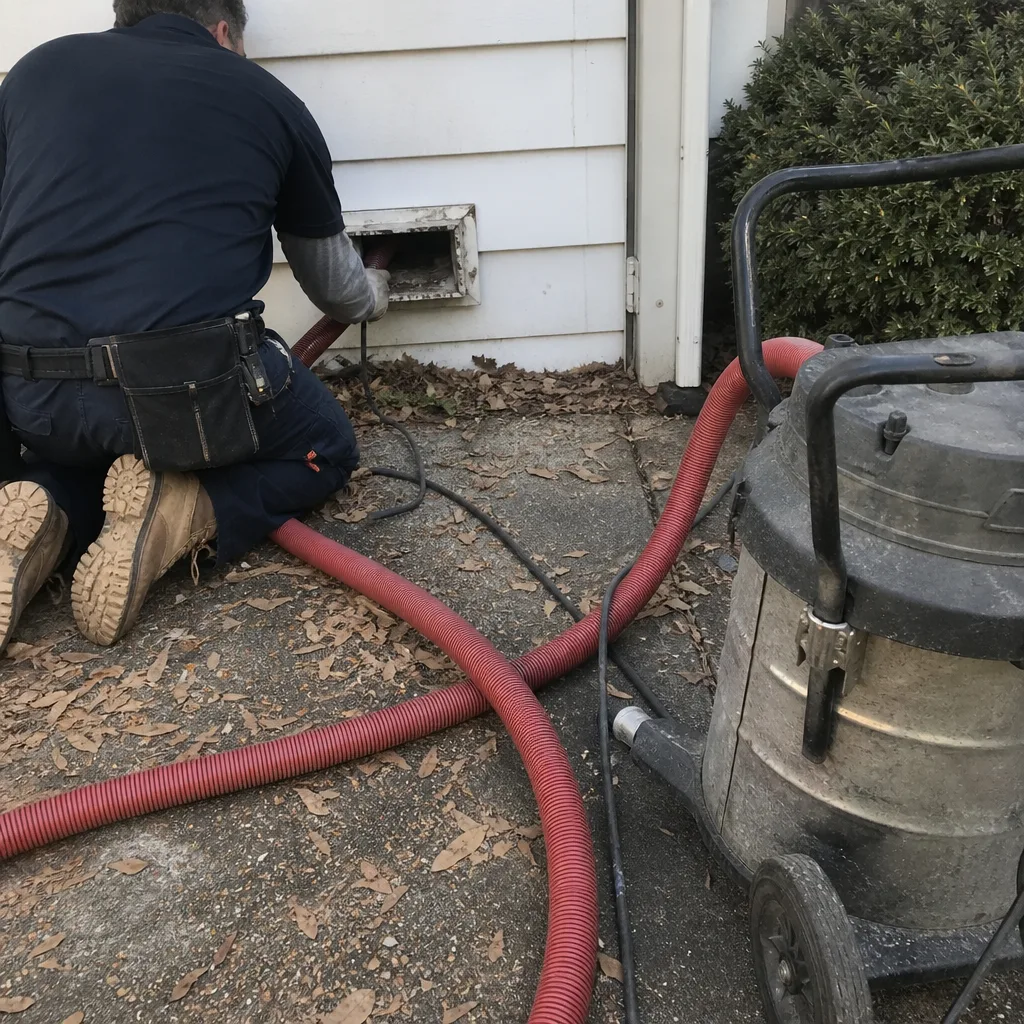
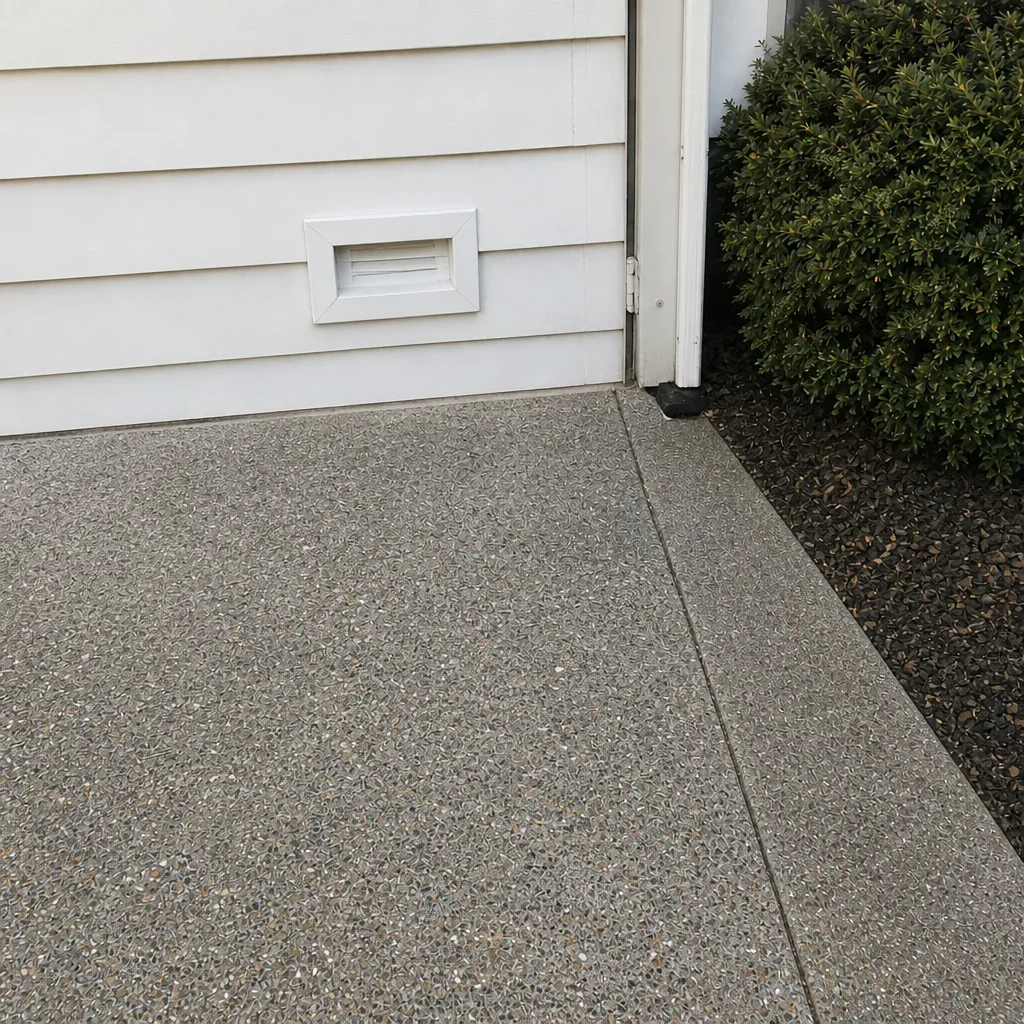
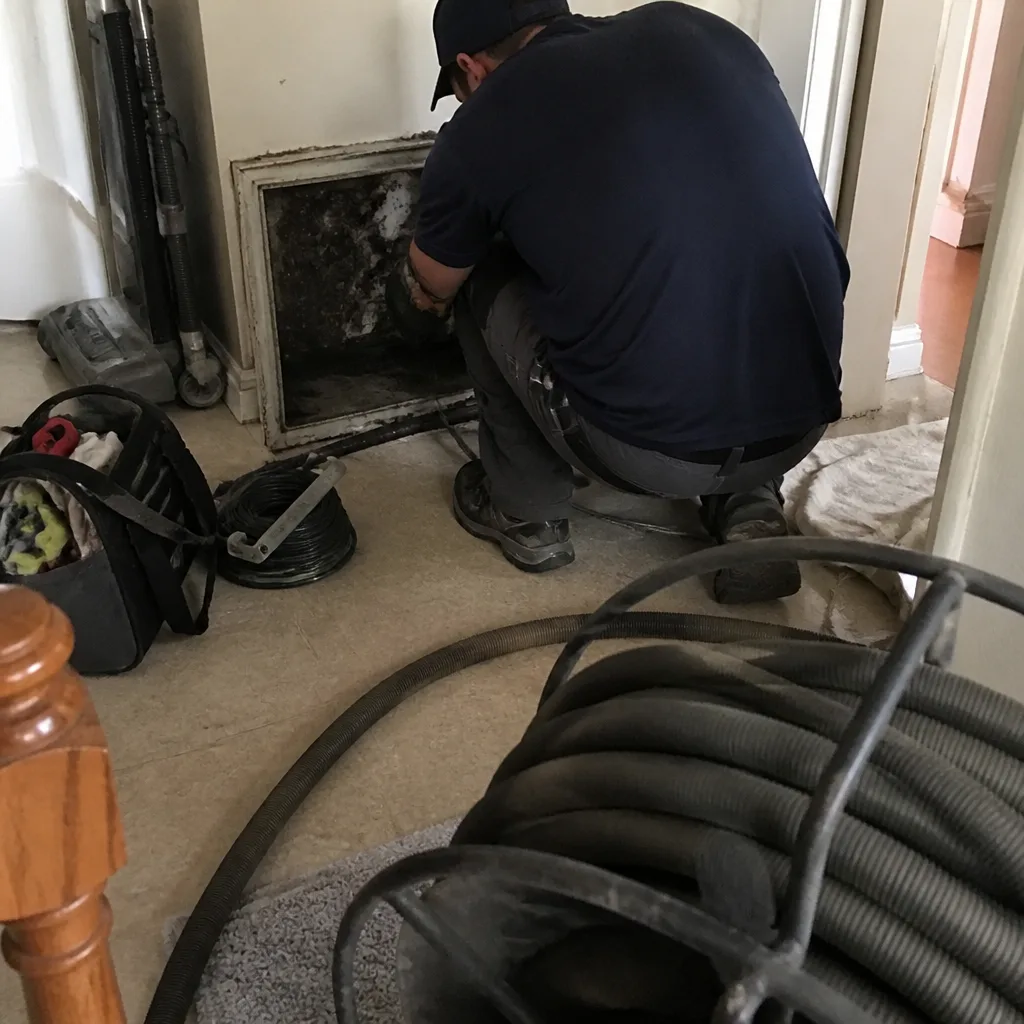
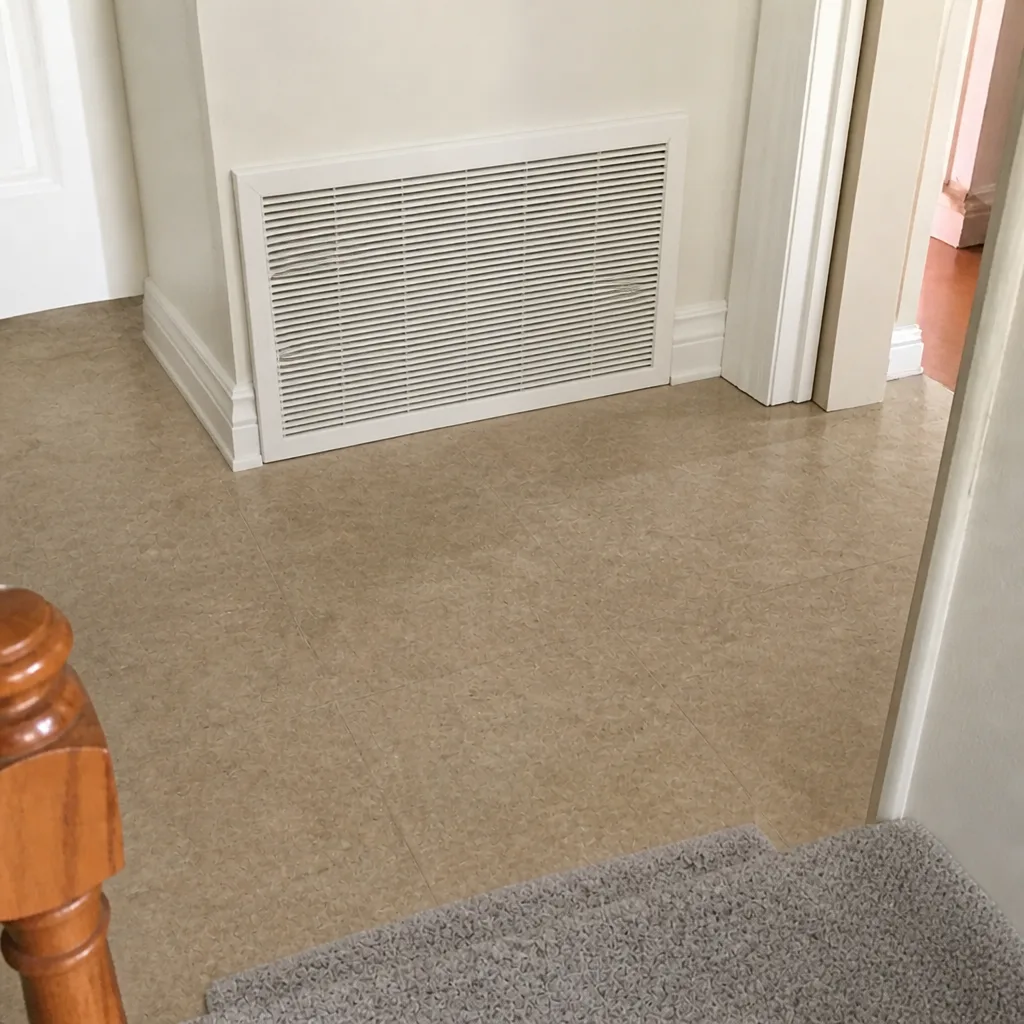
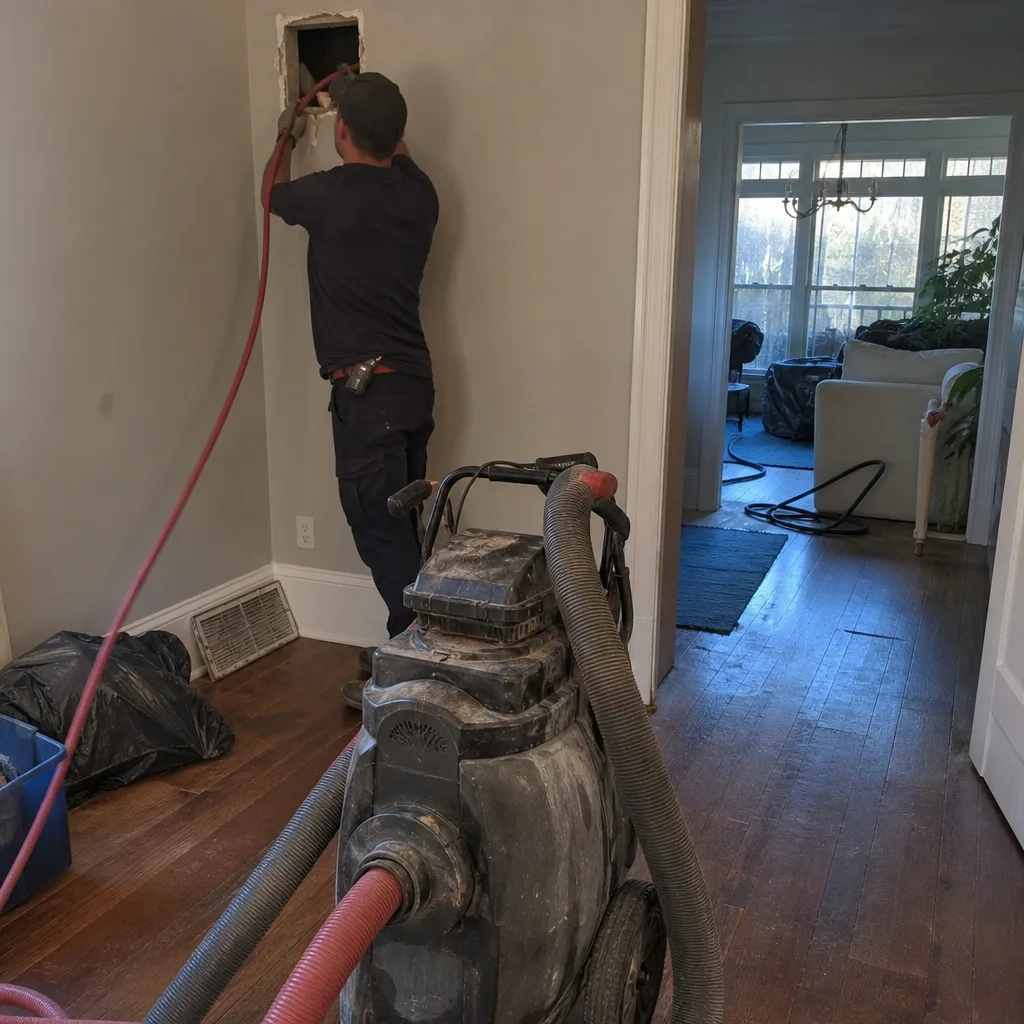
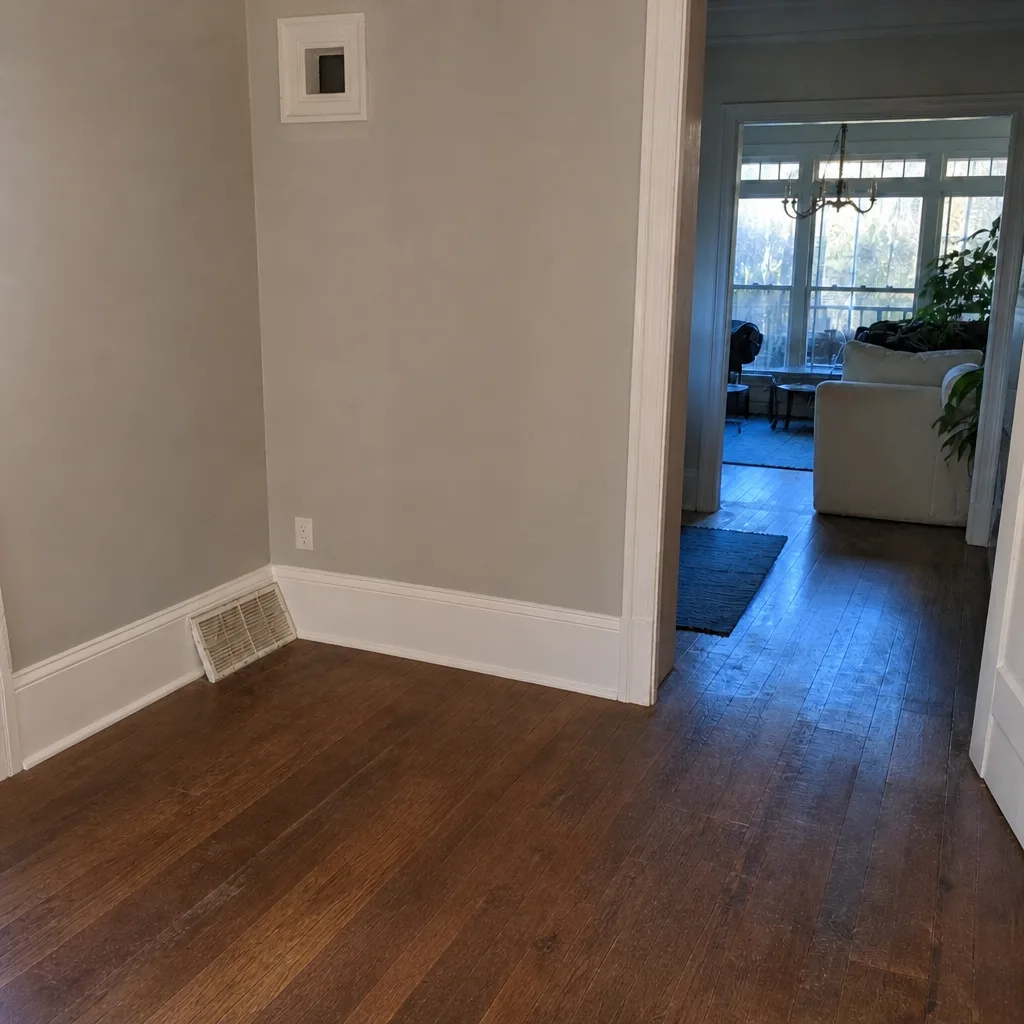
Whole-system duct and dryer vent check with before-and-after photos - you see exactly what came out of your vents
That "$99 whole-house special" is a bait ad - the real number appears once they are in your hallway, or the "clean" is a shop-vac at the register. We photograph the inside of your ducts before and after instead.
Air Duct Cleaning Troubleshooting in Midtown: Common Problems and How to Fix Them
If one room in your Midtown home always sits about 5 degrees off from the thermostat setting, the problem is almost certainly not your HVAC unit. It’s what connects the unit to that room. The compressor, the blower, the refrigerant charge – all of it can be in perfect order while the duct system quietly leaks, collapses, or clogs, and the furnace or air handler takes the blame. We’ve watched homeowners replace working equipment while the real fault sat behind a register grille the whole time. This guide teaches you to read the symptoms the way a technician does: airflow patterns, pressure at the registers, odor timing, and the type of debris you see. You’ll learn which problems cleaning solves, which need sealing or repair, and how to tell them apart before anyone touches your system.
Quick Answer
Most air duct problems in Midtown trace back to one of four causes: accumulated debris, duct leakage, disconnected or collapsed flex runs, or moisture feeding biological growth inside the system. You can narrow it down yourself with two registers and a piece of tissue paper. Cleaning fixes contamination. Sealing and repair fix airflow and pressure loss. Any thorough job does both, because a cleaned duct that still leaks pulls that same dust right back in.
Styles & brands we work with
- Whole-home duct cleaning
- Dryer vent cleaning
- Camera inspection
- Sanitizing & deodorizing
Table of Contents
- Dirty Ducts vs. Leaking Ducts: The Tissue-Paper Test
- What Different Debris Types Tell You
- Why Musty Odors Only on First Startup Point to the Plenum
- Diagnosing Uneven Room Temperatures
- Which Problems Cleaning Solves and Which Need Repair
- Why Midtown Attic and Crawlspace Systems Fail Differently
- When to Stop Troubleshooting and Call
- Frequently Asked Questions
Dirty Ducts vs. Leaking Ducts: The Tissue-Paper Test
These two problems look identical from inside the house, and they need completely different work. A dirty duct is full of debris and moving the right volume of air. A leaking duct is sparse on debris but losing its air into a wall cavity, an attic, or a crawlspace before it ever reaches the room. Cleaning a leaking system does nothing for comfort. Sealing a clean system is money well spent. You have to know which one you’re facing.
Here’s the test we suggest to Midtown homeowners before they call anyone.
- Pick two registers in rooms you know behave poorly, plus one in a room that’s always comfortable.
- Hold a single square of tissue paper flat against the middle of the grille so it sticks.
- Watch for five seconds after the system starts. If the tissue lifts and flutters hard, that register is delivering good volume.
- Move to the problem room’s register. If the tissue droops, barely clings, or falls, the run isn’t delivering air.
- Compare the sound. A register that’s blocked or disconnected often sounds quieter than the others. If yours roars, that suggests the air is being forced through a restriction, often debris near the boot.
A register that won’t hold tissue but sits on a system that drives hard airflow everywhere else is a leak or a break, not dirt. Strong airflow everywhere with visible dust puffing out on each startup is contamination. Loud airflow everywhere and hot rooms usually means an undersized or restricted return. None of these are HVAC failures, and all of them are common in Midtown’s denser residential blocks where systems are retrofitted into existing framing.
The evidence you collect here also protects you from a sales pitch that doesn’t match the actual situation. When the technician can walk through your readings and point to the same evidence, you’re working with someone diagnosing rather than guessing.
What Different Debris Types Tell You
Debris type is diagnostic. The color and texture of what comes out of a duct tells you where it came from and, sometimes, what’s happening behind the walls.
- Black or dark gray dust, dry and loose: combustion byproduct. In Midtown, this often appears in older homes with gas appliances or near a busy road. It coats filters and settles on the closest branch runs to the air handler. Cleaning handles it. A Honeywell or Aprilaire media filter configured for a tighter MERV rating keeps it from returning.
- White or silvery fibers: these are usually fiberglass insulation particles from the interior liner or duct wrap that has broken down. In older Midtown homes where the original flex duct is sagging, the liner can shed. Cleaning alone won’t solve it if the duct itself is failing. The run may need replacement before cleaning works.
- Cotton-wool-like clumps with streaks: likely biological growth or a biofilm. It usually starts where condensation collects: near the coil, the plenum, or the boots of poorly insulated runs. Handle this carefully and have it tested, because this type of growth doesn’t clear with a vacuum alone. Sanitizing the whole air pathway after cleaning is what stops the return.
- Grit, sand, or small chips: construction debris or deteriorated duct board. Common in Midtown properties that have been renovated recently. This debris doesn’t belong in any supply run and should come out before the system runs again.
- Pest evidence: droppings, nesting material, or fur. That’s a health concern and calls for containment and sanitizing, not just a quick pass with a vacuum.
We use Nikro HEPA-vacuum equipment and Rotobrush rotary brush systems on Midtown jobs because these devices extract and contain debris without stirring it into the room. Consumer shop-vacs and discount equipment blow more back into the air than they collect, and that’s a genuine concern when what’s inside is biological or combustion material. Abatement Technologies air filtration runs alongside the work to keep the space contained while it happens, which is the same standard you’d want during a mold or asbestos project.
Why Musty Odors Only on First Startup Point to the Plenum
If you smell a musty, wet-basement odor for the first minute or two of each heating or cooling cycle and then it fades, the source is inside the air handler, not the branch runs. The plenum – the large box where the air handler connects to the duct system – is the highest-moisture point of the whole setup. It sits above the evaporator coil. Condensate collects on its inner surfaces, and where condensation sits, biofilm grows. When the system starts, air moves across that biological film and carries the smell into the house. Once things are running, the evaporator dries and the odor stops, which is why homeowners write it off.
This matters for Midtown because the area includes a lot of renovated row houses and older single-family homes from the 1920s through the 1970s whose air handlers sit in tight utility closets or interior closets with limited ventilation. Condensation has nowhere to dry between cycles.
Here’s the diagnostic path:
- Note exactly when the smell appears. First startup only: plenum or coil. All cycle long: duct system. Only in specific rooms: the branch boots and the grilles for those rooms.
- Check the drain pan and condensate line at the air handler for standing water. If water is pooling, no amount of duct cleaning will help until the drainage issue is fixed.
- Get the coil and plenum inspected by a technician who cleans HVAC equipment, not just ducts. HVAC cleaning addresses the evaporator coil, the blower wheel, and the plenum together, and that’s the combination that clears this smell.
- Sanitize the whole air pathway after the physical cleaning, since a biological film will start growing back within weeks if the surface is only scraped.
Homeowners who treat this as a duct problem often pay for a cleaning they don’t need and still have the smell. If your odor fits the first-startup pattern, start the diagnosis at the air handler.
Diagnosing Uneven Room Temperatures
A single room that stays hot or cold while the rest of the house is comfortable has three likely causes, and only one of them is a cleaning problem. Figuring out which one saves you money.
Cause 1: Duct blockage
A supply run is blocked by debris, insulation, or a foreign object, or the balance damper on that branch is nearly closed. Debris in a branch is common in older Midtown properties where flex duct sags enough to slow airflow and let dust pile up at the low point. Balance dampers that were closed years ago and forgotten will do the same. A technician can check the damper position and measure airflow at the register.
Cause 2: Collapsed flex duct
Flex duct that has kinked, sagged, or been crushed reduces airflow to that room. In Midtown attics, summer heat weakens older plastic-lined flex duct. In tight crawlspaces under older homes, moisture and pests do the same thing. The system is running hard at the air handler, but almost no air reaches the register. The tissue-paper test will show it instantly: the register is weak while the system sounds strained.
Cause 3: Disconnected sections
A joint between two duct sections has separated, usually at a plenum takeoff or where a run turns a corner. Conditioned air pours into the attic or crawlspace. This is the most expensive version because you’re paying to cool and heat a space you don’t live in. In Midtown homes, disconnected runs often appear after roof or renovation work has disturbed the duct path. The giveaway is a strong smell in the attic or crawlspace matching the conditioned air, plus a noticeably weak register above it.
Blocked runs and dirt resolve with a full-system air duct cleaning. Collapsed and disconnected runs need the duct repaired or replaced before cleaning will hold. We see both on Midtown jobs and we can fix both, because duct repair and sealing is part of the service list, not an afterthought.
Which Problems Cleaning Solves and Which Need Repair
This is where most homeowners get a quote for work that won’t deliver what they wanted. Cleaning is the right fix for contamination. Sealing and repair is the right fix for airflow loss and pressure imbalance. The two are different services, and doing one without the other often means re-doing the job later.
Cleaning solves:
- Dust and debris accumulation in the supply and return branches
- Combustion byproduct deposits near the air handler
- Pet dander, hair, and general soil in the air pathway
- Dryer vent lint buildup (a fire-safety concern, addressed by dryer vent cleaning)
- Surface biological growth when sanitizing is done after the physical clean
Repair and sealing solves:
- Disconnected runs where air is dumping into the attic or crawlspace
- Collapsed or crushed flex duct sections
- Sagging runs where debris keeps pooling at the low point
- Loose joints that pull outside air into the system
- Failed insulation wrap that lets condensation form inside the duct
Here’s the practical rule: if your registers deliver strong airflow and the house feels comfortable but you can see dust and debris, you likely need cleaning. If your airflow is weak in specific rooms and the system runs constantly, you probably need the ducts inspected for repair before cleaning makes sense. A technician who measures both before quoting keeps you from paying for the wrong one. When we deploy Rotobrush equipment in a Midtown home, part of the work is confirming that the duct we clean will hold the result; cleaning an unsealed system that pulls debris back in wastes everyone’s morning.
Why Midtown Attic and Crawlspace Systems Fail Differently
Midtown’s housing stock ranges from 1920s bungalows and Craftsman homes to mid-century ranches and newer infill. Each era of construction has its own duct failure patterns. Knowing which one you’re in narrows the diagnosis fast.
Older Midtown homes, especially those built before 1970, often have original rigid metal ductwork or early sheet metal plenums. Metal ductwork can hold up well if it’s intact, but it develops loose joints over decades. Look for dust trails around seams and grilles, or a cold spot on the ceiling or floor near a register – those are signs of leakage. Insulation wrap on these ducts has often been damaged by roofers, pest technicians, and plumbers running new lines, and that damage reintroduces condensation and dust entry.
Homes built in the 1970s through the 1990s usually have flex duct, and after 25 to 35 years in a Midtown attic, older flex duct is sagging, kinked, or physically disintegrating at its inner liner. When the inner liner fails, fibers travel with the air and end up at the registers.
Newer renovated homes with HVAC retrofitted into tight closets and interior chases face a different problem: short duct runs with sharp turns, cramped plenums with limited ventilation, and returns undersized for the larger equipment installed during a renovation. The system pushes air harder than the duct can handle, and that pressure imbalance drives unconditioned air in through every small leak.
Midtown’s humid summers make condensate a year-round issue. Moisture plus organic dust equals biological growth, and Midtown’s older homes don’t always have the drainage or ventilation for the coil and plenum to dry between cycles. That’s why the first-startup musty smell shows up so often here. We see more plenum biofilm in Midtown homes than our technicians see in dryer, newer suburbs, and we treat the sanitizing step as core to the job rather than an add-on. If you’re choosing between providers, ask which containment equipment arrives on site. Rotobrush, Nikro, and Abatement Technologies describe a level of work that you can verify, not a vague promise. Homeowners and property managers who request the details typically get a more honest conversation. When a company can tell you the exact equipment it’s bringing, the scope is easier to hold them to. Filter upgrades with Aprilaire or Honeywell media are worth asking about once the cleaning is done; they keep the duct system cleaner far longer than a basic fiberglass filter. Our technicians have up to 13 years of experience reading this exact set of symptoms, and they’ll lay it out for you before any work begins.
When to Stop Troubleshooting and Call
Some problems reward careful diagnosis. Others need a professional in the home immediately. Call us if any of these apply.
- You can see visible biological growth, dark staining, or fuzzy material inside a register or on the coil.
- There’s pest evidence in the duct system, including droppings or nesting material.
- Your single room is still 5 or more degrees off even after a filter change and damper adjustment.
- The musty smell persists throughout the cycle, not just on startup.
- You’ve had a renovation and the duct system was open or exposed to debris.
- The dryer is taking noticeably longer to dry clothes, which points to a lint-clogged vent.
- You have a new baby, or someone in the home has asthma or allergies and the air quality has gotten worse.
Duct work can be genuinely dangerous when you’re dealing with electrical components inside the air handler, gas-fired equipment, or biological growth you can’t identify. Don’t open the air handler cabinet yourself, don’t reach into the plenum, and don’t try to clean a duct line that’s carrying electrical wire or connected to gas equipment. A trained professional should be the one doing that work. Air Duct Cleaning Midtown offers free estimates in Midtown – call (844) 605-0607. We answer 24/7. Fast dispatch from 7am to 7pm, Sunday through Friday. The local professionals we connect you with are licensed and insured as their state requires, and the price is set per job by the written estimate before any work starts.
See the difference
 Before
 After
 Before
 After
 Before
 After
Common Mistakes to Avoid
- Replacing the HVAC unit before checking the ducts. If the airflow is failing in one room, the equipment is rarely the cause. Measure first, buy second. Replacing a working system while the duct system stays broken is the most expensive mistake we see.
- Accepting a “vent-by-vent” quote. Per-vent pricing turns a whole-system job into a race. Look for a single flat price per system agreed before work begins, like the estimate we offer on Air Duct Cleaning Midtown work.
- Cleaning a system with unresolved leaks. You’ll be back within a season. Fix pressure and leakage first, then clean.
- Using a shop-vac to clean a duct line. Consumer vacuums exhaust fine dust and biological material into the room. Containment matters as much as suction, and that’s why we run Nikro and Abatement Technologies filtration in Midtown homes.
- Ignoring the dryer vent. A lint-clogged dryer vent is a fire risk. Cleaning the HVAC and skipping the dryer vent leaves a real hazard in place.
- Skipping the sanitizing step after biological growth. Physical debris comes out with cleaning. Biofilm and spores need a sanitizing pass to stop the return.
- Choosing the cheapest quote without asking about equipment or containment. Cheap usually means an unmarked van with a shop-vac, a scuffed duct, and dust blown back into the house. Ask what equipment is coming and how they contain the dust while working.
Frequently Asked Questions
Air duct cleaning in Midtown typically runs from a few hundred dollars for a straightforward residential system up to four figures when the job includes heavy contamination, sanitizing, or duct repair. The estimate is free and the price is set per job, agreed in writing before work starts. Call (844) 605-0607 for an exact quote – estimates are free.
Strong airflow at every register plus visible dust usually means cleaning. Weak airflow in specific rooms plus a system that runs constantly usually means a leak, collapsed duct, or disconnected run that has to be repaired before cleaning can hold. The tissue-paper test at the registers tells you which pattern you’re in.
A cheap quote usually means a small crew with consumer-grade equipment, no containment, and per-vent pricing that grows once the technician is walking the house. Professional equipment like the Rotobrush and Nikro systems we use costs more to run, and the written estimate for a whole system is what the job actually costs. Call (844) 605-0607 for an exact quote that reflects the whole system.
Ask for before-and-after photos of your own ducts at the plenum and a couple of registers. Reputable work shows the difference. We take photos as part of the standard job, and no work starts before you’ve approved the written estimate. Call (844) 605-0607 with questions about what to expect – estimates are free.
Every 3 to 5 years for most Midtown homes, sooner if you have pets, allergic occupants, a recent renovation, or visible debris in the registers. If you’re seeing the first-startup musty smell, act before the next cycle of the season; the biofilm doesn’t dry out on its own once it takes hold in the plenum.
A persistent musty odor generally indicates biological growth or moisture inside the air pathway. That warrants a professional inspection, particularly if someone in the home has asthma or allergies. Don’t try to open the air handler or reach into the plenum yourself – that work belongs with a trained technician. Call (844) 605-0607 to schedule an inspection – estimates are free.
The Bottom Line
Read the symptoms before you call anyone. A tissue-paper test at the registers tells you whether the problem is contamination or airflow loss. The debris color tells you where the source is. Odor timing tells you whether the problem is in the plenum or the branch runs. Uneven room temperatures tell you whether cleaning will fix it or whether the duct needs repair first. Most Midtown air quality complaints trace to the duct system, not the HVAC unit, and knowing which problem you actually have means the technician’s work is aimed at the right target. Cleaning solves contamination. Repair and sealing solve airflow. A thorough job handles both.
If you’ve done the diagnosis and want a professional walkthrough, Air Duct Cleaning Midtown covers the whole air pathway: duct cleaning, HVAC cleaning, dryer vent cleaning, air quality and sanitizing, and duct repair and sealing. One company for the whole system means the diagnosis, the cleaning, and the repair all get handled in one visit rather than three. Professional-grade Rotobrush, Nikro, and Abatement Technologies equipment comes every time, not a shop-vac. Call (844) 605-0607 for a free estimate. We answer 24/7. Fast dispatch from 7am to 7pm, Sunday through Friday.
Written by the team at Air Duct Cleaning Midtown.