
Last updated November 25, 2026
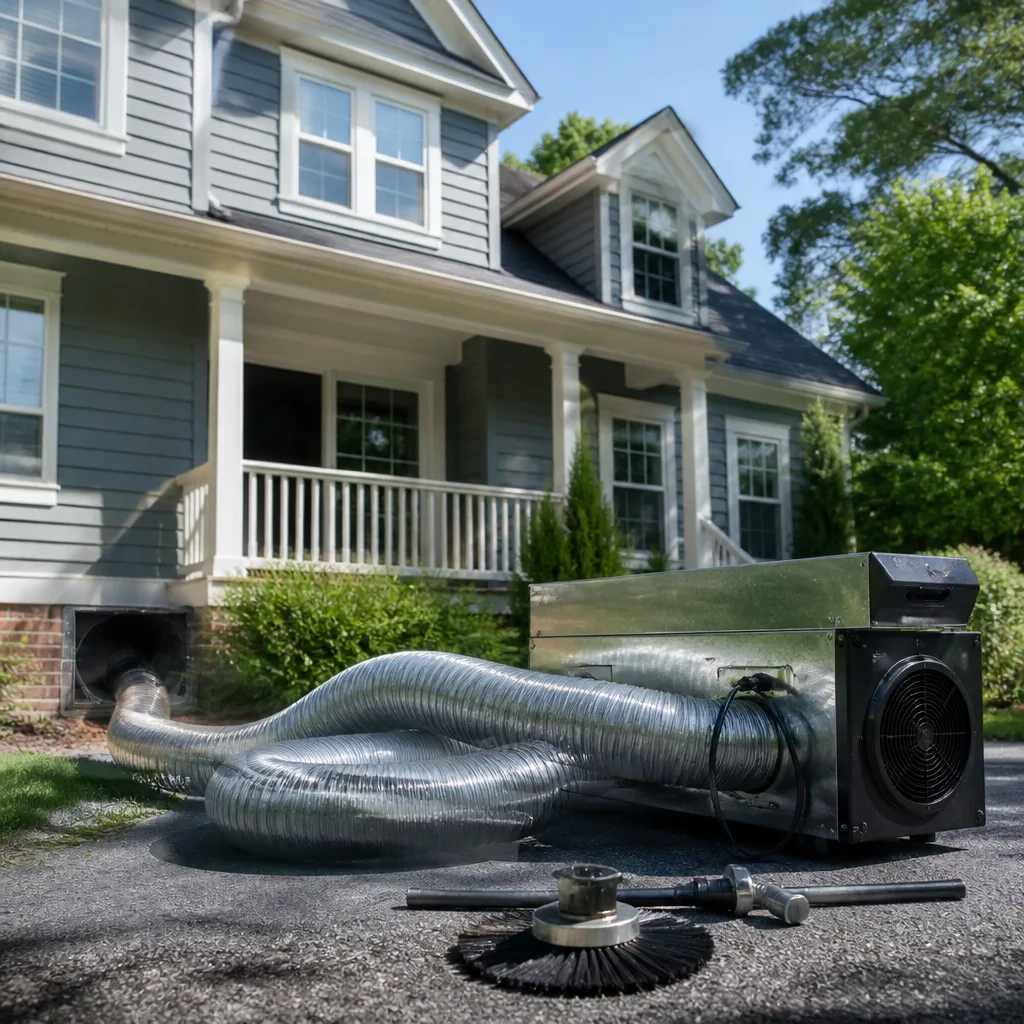 Whole-home duct cleaning
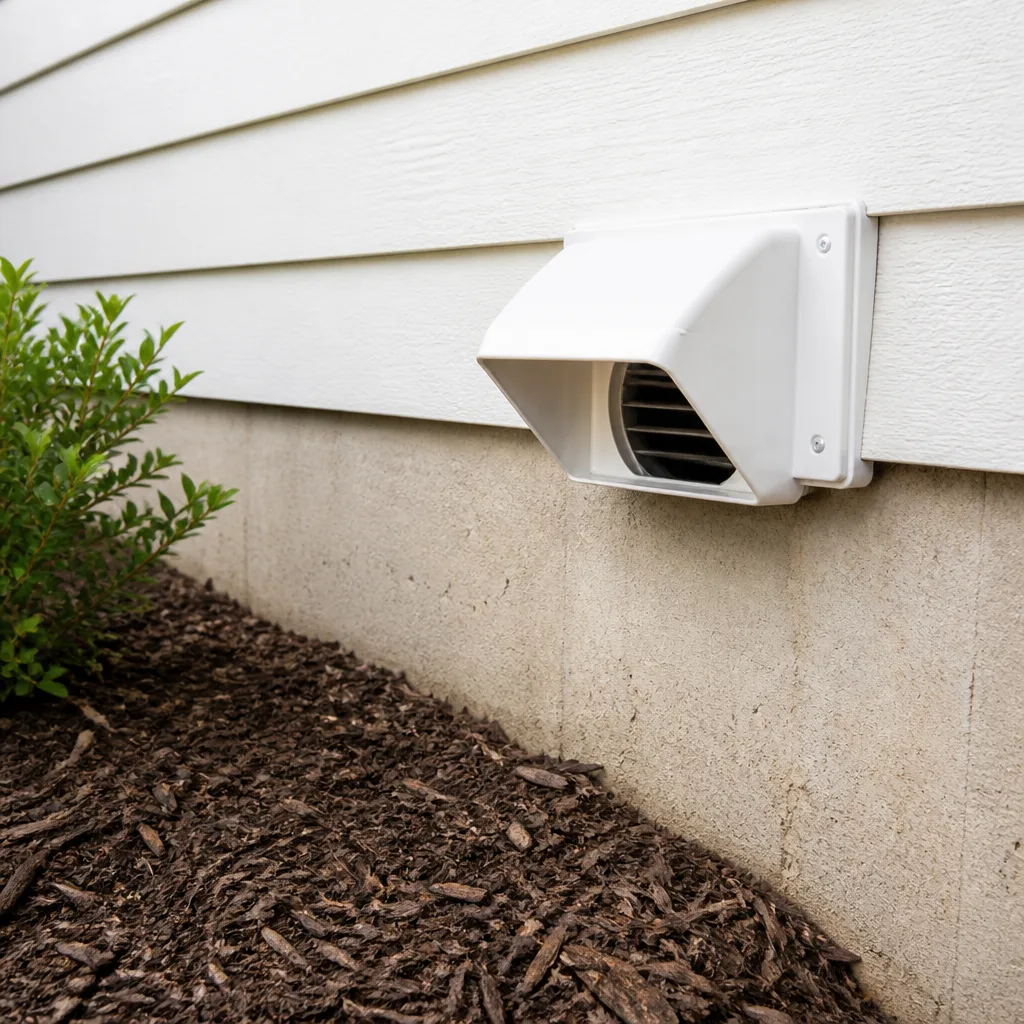 Dryer vent cleaning
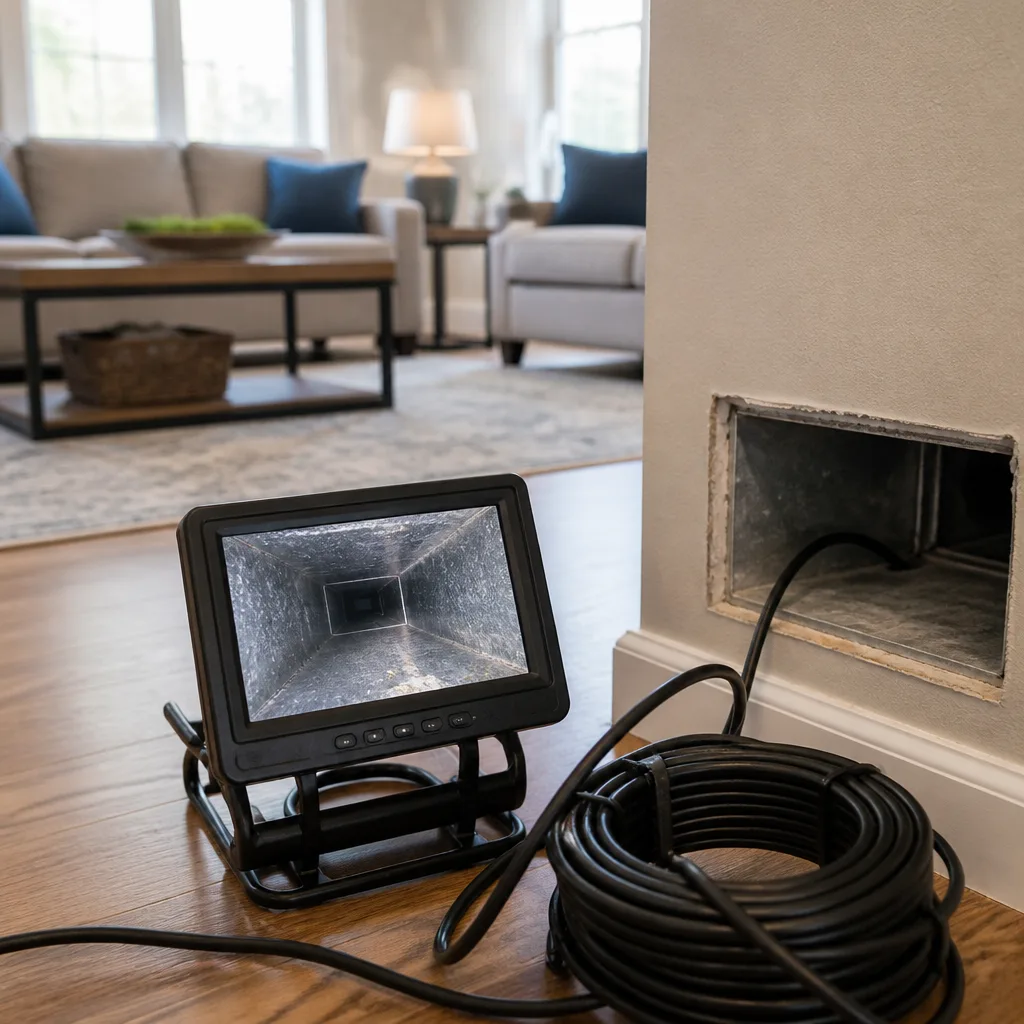 Camera inspection
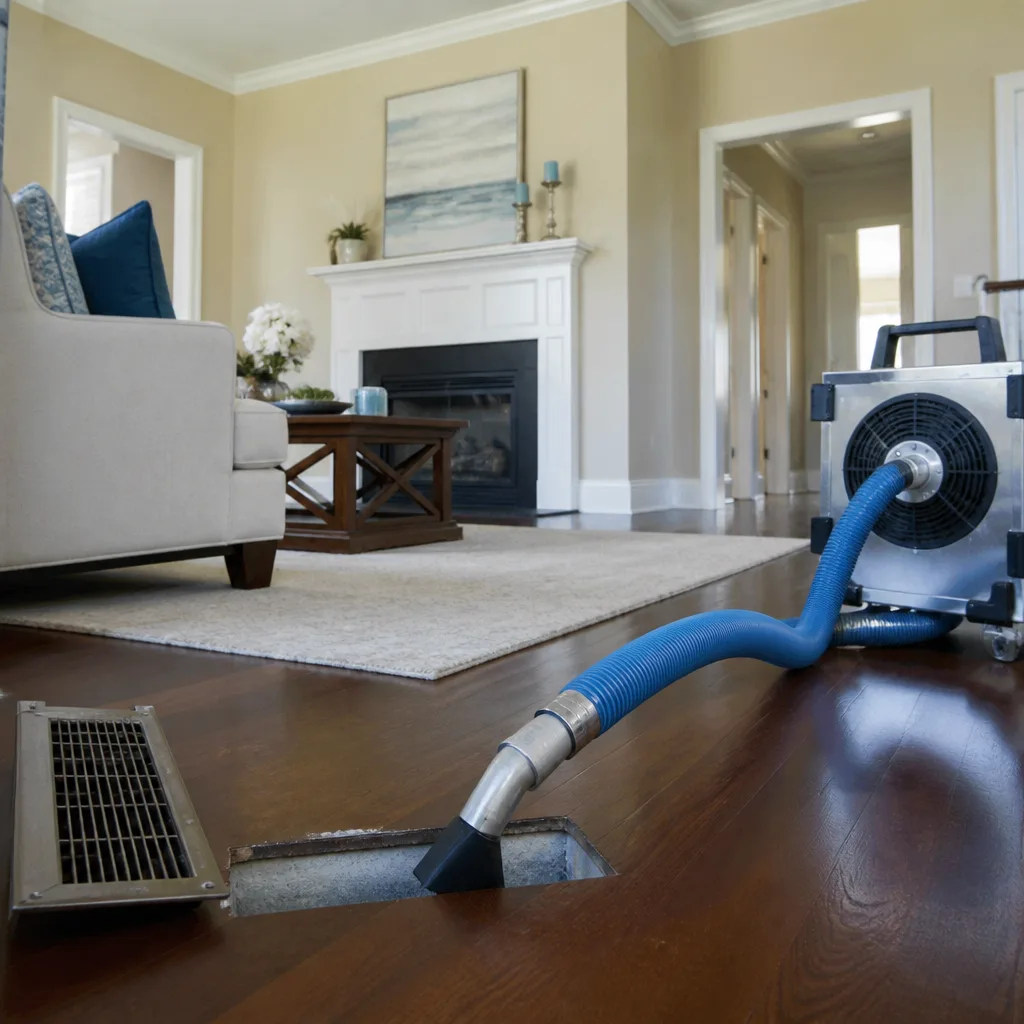 Sanitizing & deodorizing
Whole-system duct and dryer vent check with before-and-after photos - you see exactly what came out of your vents
That "$99 whole-house special" is a bait ad - the real number appears once they are in your hallway, or the "clean" is a shop-vac at the register. We photograph the inside of your ducts before and after instead.
Air Duct Cleaning Maintenance Schedule: What to Do and When
A MERV 8 filter and a MERV 13 filter run in the same house produce very different duct contamination rates after two years, yet most maintenance schedules treat them identically. The standard advice, a cleaning every three to five years, is a calendar guess. It ignores HVAC runtime hours, filtration grade, occupancy, and whether the duct system has ever been properly sealed. Contamination is a physical process, and it responds to the variables in a specific home, not to a generic rule of thumb. In this guide, we’ll walk through how to build a cleaning interval around your system and your household, and how to track duct health between visits. If you’d rather talk it through, call (844) 605-0607 for a free estimate.
Quick Answer
Most Midtown homes should schedule a full duct cleaning every three to five years, but that interval should be cut to one to two years if you run a low-grade filter, have pets, keep the fan running continuously, or have unsealed ductwork. Between cleanings, change the filter every two to three months, inspect accessible registers at each change, and have the system pressure-tested annually so you know whether sealing has degraded before you spend money on cleaning.
Styles & brands we work with
- Whole-home duct cleaning
- Dryer vent cleaning
- Camera inspection
- Sanitizing & deodorizing
Table of Contents
- How do you build a cleaning interval around your filter’s MERV rating?
- What events reset the schedule?
- What should you document at each filter change?
- Why do dryer vents and HVAC coils need a separate cycle?
- How do you use an annual pressure test to decide between cleaning and sealing?
- How do Midtown’s climate and housing stock affect contamination rates?
- Why you should repair what you find, not clean around damage
- Common Mistakes to Avoid
How do you build a cleaning interval around your filter’s MERV rating?
Filter grade is the single biggest lever on how fast your duct runs collect dust, and it’s the variable most maintenance advice ignores. A MERV 8 pleated filter catches a fair amount of coarse dust but lets a large share of fine particulate through to the duct surfaces and the blower. A MERV 13 filter traps far more of that fine material, so more of it stays in the filter and less settles in the ductwork, on the coil, and on the fan blades. Run the same house for two years and the two scenarios end up in very different conditions. The filter is the working surface; the duct is what happens when the filter underperforms.
Here’s how to translate that into a practical schedule:
- MERV 8 or lower, no pets, average occupancy: full system cleaning every three to four years, filter change every two months.
- MERV 11 to 13, no pets, moderate occupancy: cleaning every four to five years, filter change every three months, coil inspection annually.
- MERV 13 plus a whole-home air quality product such as an Aprilaire or Honeywell media cabinet: cleaning every five years, filter change per the rated interval, pressure test annually to catch leaks.
- Any filter grade with constant fan operation or a lot of foot traffic: subtract a year from the interval.
Filter grade only helps if the filtration is properly seated and sealed. A filter that bypasses around its frame passes the same dirt as a lower-grade filter, and that matters in Midtown’s older homes where return-air chases were not built to modern tolerances. We check that seating on every visit because it changes the schedule more than most people realize.
What events reset the schedule?
Calendar schedules assume a stable baseline. Real households don’t have one. Certain events load the system heavily, and when they happen, the timer resets regardless of where your three-to-five-year interval stood. In Midtown, where a lot of properties change hands and get renovated, we see this more often than the calendar model suggests.
The triggers that should prompt an out-of-cycle cleaning or at least an inspection:
- Renovation dust: drywall, sanding, and flooring work pushes fine gypsum and silica dust into return grilles within days. Clean after the work is finished and dust has settled, not during.
- Flood or moisture intrusion: any water event in a duct chase or near an air handler raises the risk of biological growth on wet duct liner. Get the system inspected before restarting it.
- Pest evidence: rodent droppings, insect casings, or nesting material in registers mean contamination that a standard timer won’t catch. This warrants professional attention rather than a filter change.
- A new pet in the home: pet dander and hair load the return side quickly. Add a year to contamination timing, tighten the filter interval, and consider a higher MERV rating.
- A new baby or a household member diagnosed with asthma or allergies: this is the moment to verify the whole air pathway is clean and sealed, not just filtered.
Each of these events is a reason to get eyes on the system, even if the scheduled cleaning isn’t due. When the ducts are open and we can see the condition inside, the schedule becomes a measurement, not a guess.
What should you document at each filter change?
Between professional visits, you’re the sensor on the ground. A few simple observations recorded at each filter change give you a real record of duct health, and they give a technician something concrete to work with on the next visit. Keep a note on your phone or a page taped inside the air handler closet. It takes two minutes per filter change.
- Photograph the filter before you replace it. The color and distribution of the dust tells a story. Even gray dust is normal; dark streaks, rust stains, or biological growth are not.
- Note the date, the filter MERV rating and whether the filter frame was seated fully. Bypass around the frame is a common and easy-to-miss issue.
- Look into each accessible register with a flashlight and note whether you see dust build-up, dark spotting, or debris. One photo per register is enough.
- Listen for the system. A new whistle, rattle, or whoosh at a register usually points to a leak or a disconnected run.
- Record any musty or dusty smell when the system starts up, along with when it appeared and whether it fades.
That record is worth more than any generic schedule. It tells you when the system started behaving differently and gives the next technician a starting point. In our experience, a homeowner with six months of notes gets a more accurate diagnosis than one with none.
Why do dryer vents and HVAC coils need a separate, more frequent cycle?
The duct runs are the slowest part of the system to load. The dryer vent and the HVAC coil are the fastest, and treating them on the same three-to-five-year cycle as the ducts is how they get neglected. Both handle concentrated volumes of lint, moisture, and particulate under heat, and both degrade the whole system when they clog. Dryer vents and coils deserve their own schedule.
Here’s the practical breakdown:
- Dryer vent: inspect and clean annually, and cut that to every six to twelve months for households running more than a load a day or drying heavy items like towels and bedding. Lint is highly combustible, and a restricted vent also forces the dryer to run longer, which increases wear and energy use. This is a fire-safety issue first and an efficiency issue second, and it’s why we treat dryer vent cleaning as a distinct service rather than an add-on.
- HVAC coil and blower: inspect annually, clean every one to three years depending on filter grade. A dirty evaporator coil loses capacity and can ice over in summer. A dusty blower wheel throws off balance and airflow. Both are expensive to ignore and cheap to include in a scheduled HVAC cleaning.
- Drain pan and condensate line: check annually. A clogged condensate line causes water damage that no filter change will prevent.
Note that these cycles run on their own clocks. A three-year duct cleaning is not a reason to skip a year of dryer vent service. Keep them on separate reminders and the system stays in far better balance.
How do you use an annual pressure test to decide between cleaning and sealing?
Cleaning a leaking duct system is a partial solution. If the return or supply runs leak into a crawlspace, attic, or wall cavity, the system pulls in unconditioned, unfiltered air every time it runs. That air finds its way back to the ducts, and cleaning gets you back to a temporary baseline. A simple pressure test tells you whether the system is losing airflow and where, so you know whether to clean first or seal first.
A proper test involves measuring static pressure at the air handler and, where possible, at the supply and return trunks. Elevated static pressure can mean a restricted filter, a partially closed damper, or a collapsed or leaking run. A technician can also look for the visual clues, which you can note yourself:
- Loose or hand-crushed duct connections at the air handler and in the attic or crawlspace.
- Duct tape that has dried out and lost adhesion.
- Runs that were never sealed at the seams or that pull away from registers.
- Visible gaps around return-air chases in older Midtown homes.
The schedule logic follows from the test. If static pressure is normal and the ducts look sealed, go straight to cleaning. If pressure is high and leaks are visible, the duct repair and sealing work needs to happen first, or at least on the same visit, so the cleaning isn’t wasted. This is exactly the reasoning behind our air duct cleaning process. We repair what we find rather than clean around damage.
How do Midtown’s climate and housing stock affect contamination rates?
Atlanta’s climate does not sit still. Long, humid summers mean the air conditioning runs hard for a substantial part of the year, and every hour of runtime pulls air through the ducts. The shoulder seasons are mild, so many homes run the fan or the system more of the year than a colder climate would. A humid climate also raises the moisture exposure of any ductwork in unconditioned space, and that humidity is what turns a modest dust load into a genuine biological problem if the ducts are wet or poorly sealed.
Midtown itself adds a wrinkle. The neighborhood has a dense mix of older homes, conversions, mid-rise condos, and adaptive-reuse properties, and many older buildings have duct systems that were retrofitted after the fact. That means short runs, odd transitions, and returns that share chases with plumbing. Those configurations leak more, and they collect dust differently than a modern build. A high-rise condo with a compact air handler and a short return run needs a different inspection rhythm than a bungalow with a full attic system.
What that means for your schedule:
- Assume a slightly shorter interval than the national default, because runtime is high.
- Inspect condos and retrofits for sealed, properly connected return runs before deciding the ducts are clean.
- Treat any water intrusion seriously and quickly, because humid summers don’t give a wet duct chase a chance to dry.
- For a fuller picture of how our whole-system approach fits this climate, see our Air Duct Cleaning Midtown overview.
Contamination rates here are driven by runtime, humidity, and retrofit geometry, and a schedule built around those three variables beats a generic calendar every time.
Why you should repair what you find, not clean around damage
Most duct cleaning stops at vacuuming. The ducts come out cleaner, and then within a season the dust is back because the leaks that pulled it in were never touched. The cleaning didn’t fail; the sealing was skipped. A duct system with disconnected runs, collapsed flex sections, or unsealed seams will get as dirty as the surrounding attic or crawlspace can make it, no matter how thoroughly the interior was scrubbed.
Our approach: we repair what we find. When we’re on site with Rotobrush rotary brush equipment and Nikro HEPA vacuum equipment, we use containment-first practices borrowed from commercial abatement, and we use Abatement Technologies filtration to keep contaminants inside the containment zone while we work. What we don’t do is leave the system cleaner but still leaking. The repair and sealing step closes the loop so the next cleaning actually lasts.
This is where long-term air quality finishes the job. We can recommend and install Honeywell and Aprilaire media cabinets and filtration products so that the next cycle starts from a better baseline. And because drywall dust and renovation debris load any system, the schedule should be re-examined after any significant work in a Midtown property. Cleaning, sealing, and filtration work as a system, not as three separate purchases.
Common Mistakes to Avoid
- Following a fixed calendar no matter the filter grade. A high-MERV filter and a low-MERV filter shouldn’t be on the same schedule. Recalculate the interval if you change the filter grade.
- Cleaning before checking for leaks. Cleaning a leaking system gives you a temporary clean with a fast return to dirt. Always pressure test before deciding the next step.
- Skipping dryer vent service because the ducts aren’t due. Lint accumulates in a different slot than duct dust. Dryer vents carry a genuine fire risk and need their own annual check.
- Assuming a new filter resets the timer. A filter change protects future loading but does nothing for dust that already settled in the ducts. Track both separately.
- Ignoring foggy or musty smells. A musty smell on startup is a red flag for moisture or biological growth and warrants inspection, not more filter changes.
- Treating a condo like a single-family home. In Midtown’s mid-rises, the short return run can collect faster and hide leaks. Ask specifically about the return side.
- Letting a contractor clean with consumer-grade tools. Ask what equipment they use. Rotary brush and HEPA systems handle contamination that a shop-vac can’t begin to address.
See the difference
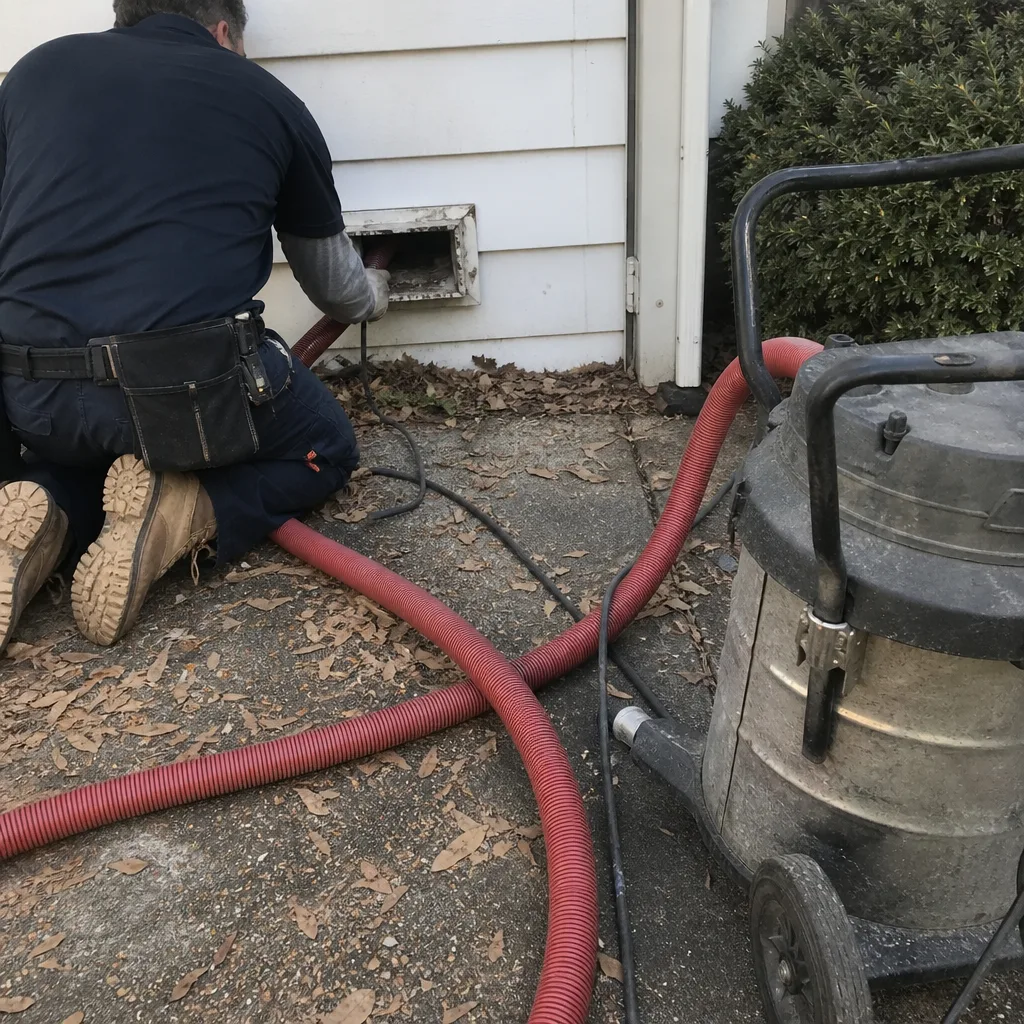 Before
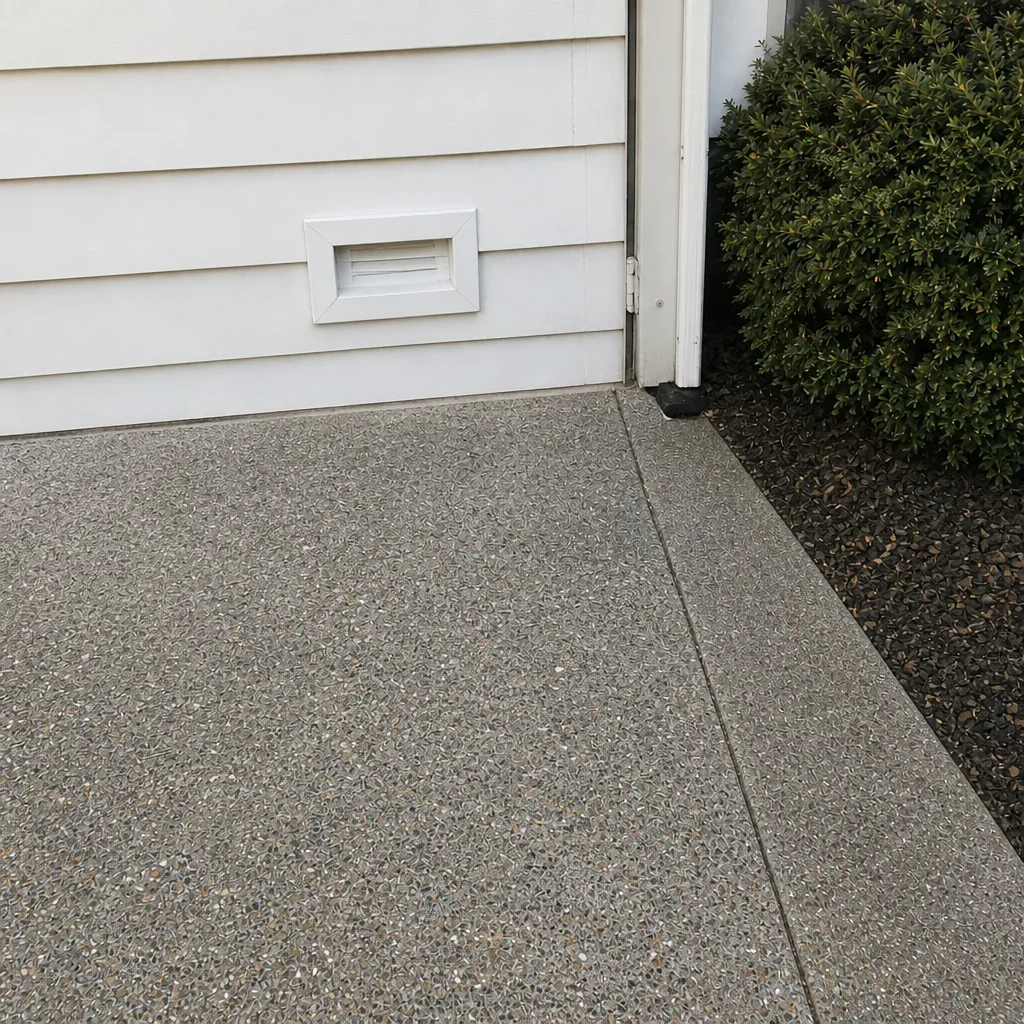 After
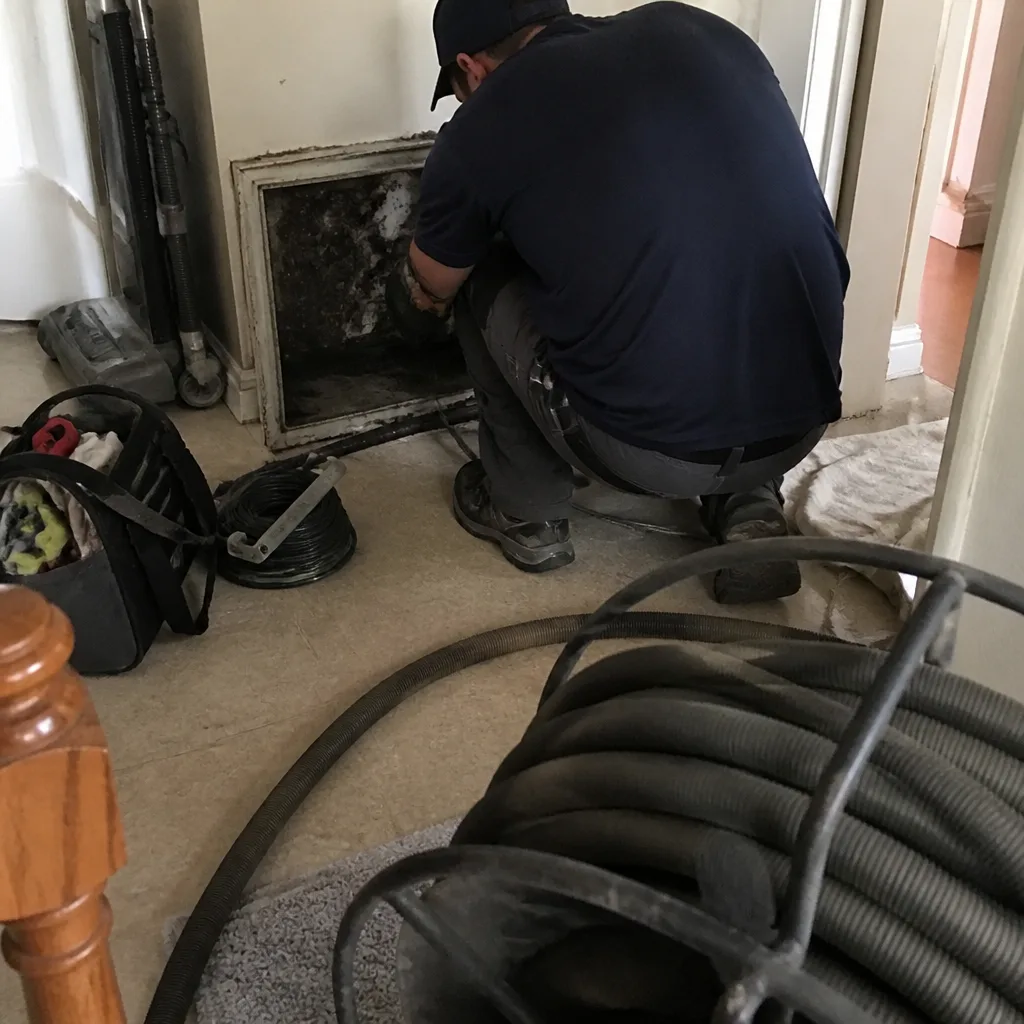 Before
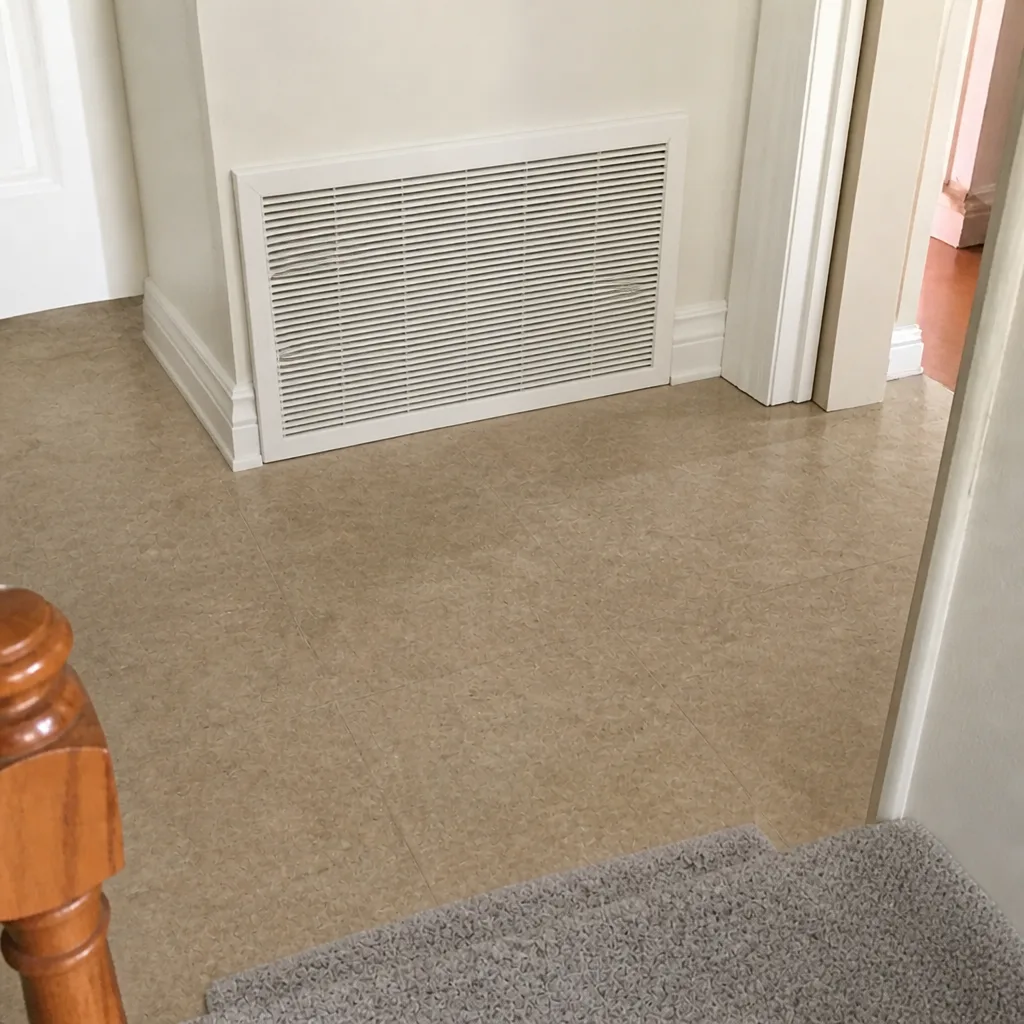 After
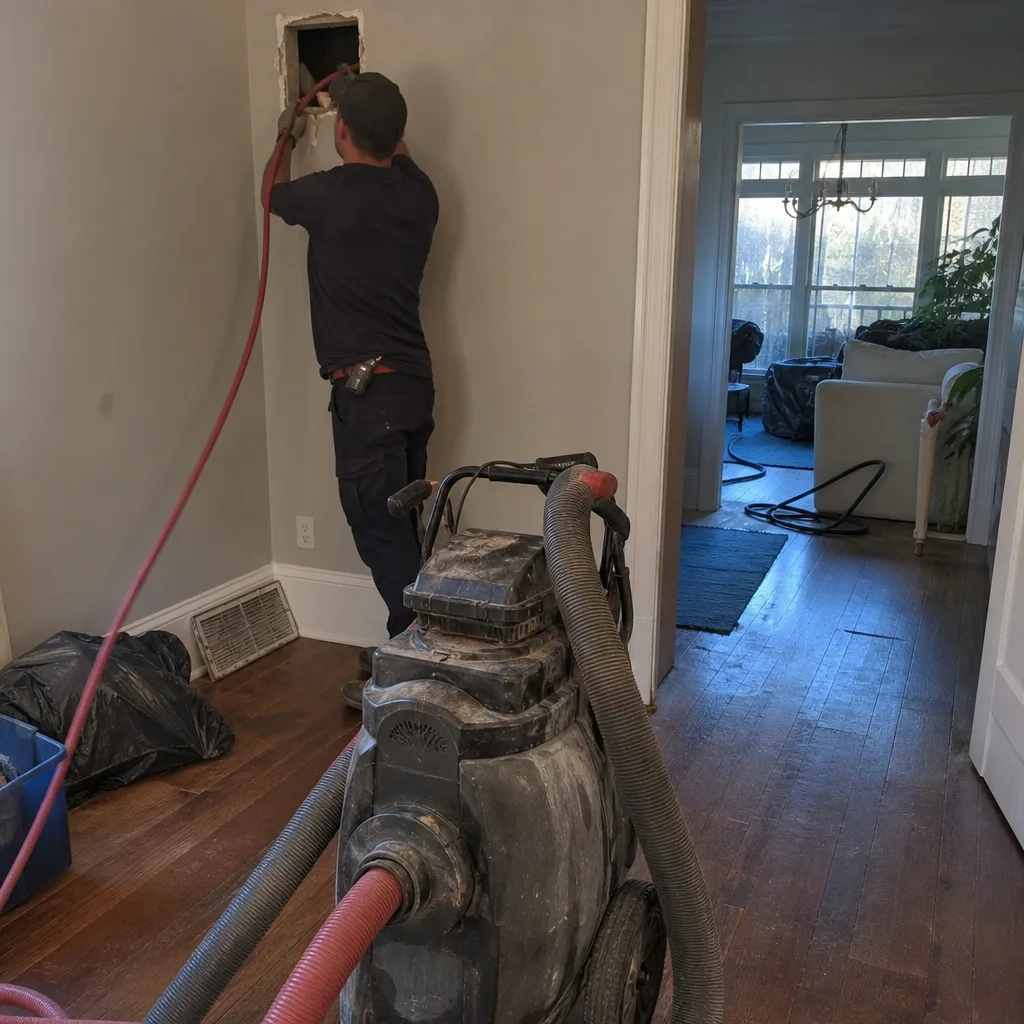 Before
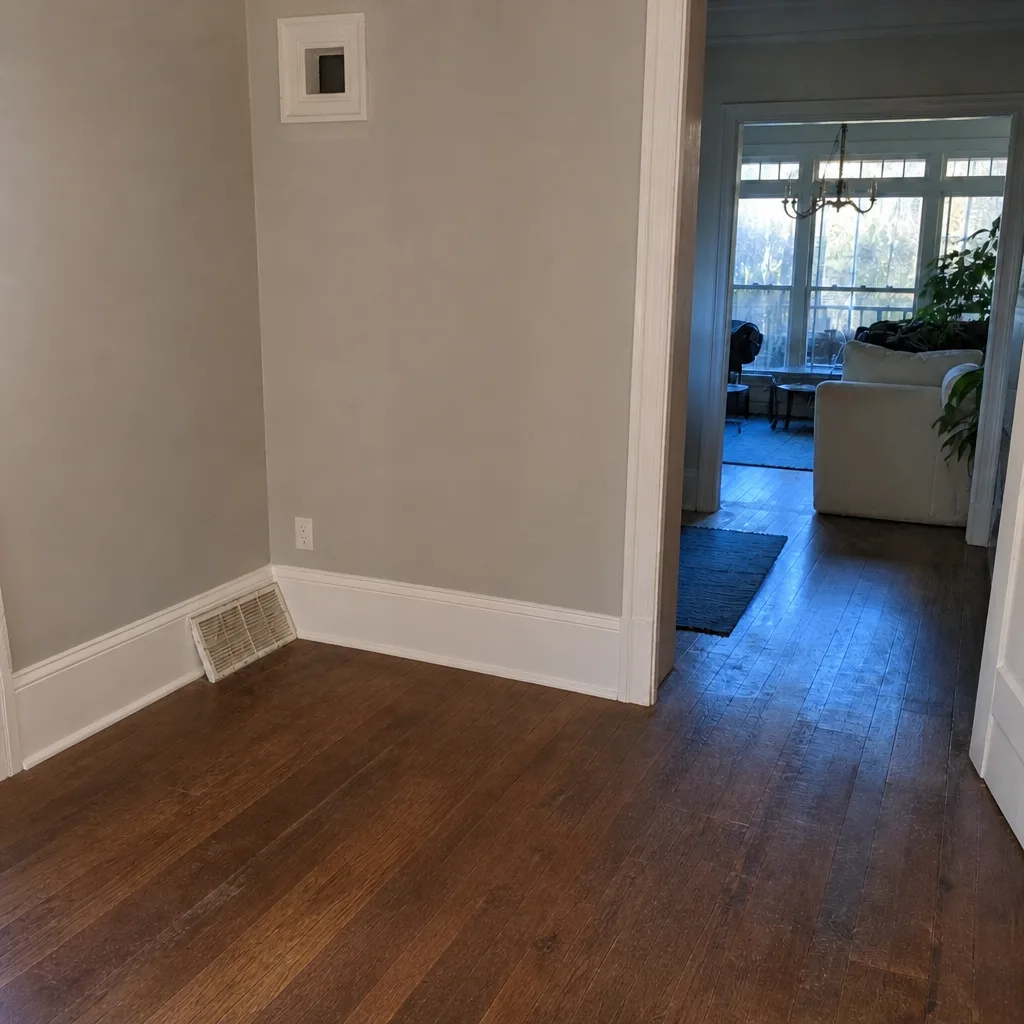 After
When to Call a Professional
Some signs need a technician, not a filter change. If your home has visible dust plumes at registers, persistent musty odors, pest droppings in vents, recent water intrusion, or a system that’s pulling high static pressure despite a clean filter, get eyes on the whole air pathway. Persistent allergy symptoms in a Midtown home without an obvious cause, a recent renovation, or a dryer that takes two cycles to dry a load are also reasons to call. Duct work involves high-torque equipment, tight spaces, and potential contamination, and some of it, like anything electrical near an air handler, is not DIY territory. Air Duct Cleaning Midtown offers free estimates in Midtown. Call (844) 605-0607. We answer 24/7. Fast dispatch from 7am to 7pm, Sunday through Friday.
Frequently Asked Questions
Most Midtown homes should plan on a full duct cleaning every three to five years, with the interval tightened to one to two years for homes running low-grade filters, pets, constant fan operation, or previously unsealed ductwork. Highland, Ansley, Old Fourth Ward, and the condo towers along Peachtree all have slightly different system geometries, so a pressure test confirms the right interval for your building. Call (844) 605-0607 for an exact quote. Estimates are free.
Yes, if a household member has asthma or active allergies, treat the schedule as one to two years rather than three to five, and include a pressure test on the first visit. The point isn’t just frequency; it’s verifying the whole air pathway is clean and sealed. Add a higher-MERV filter and a sealed return chase to that plan, and the interval can stretch back out.
The difference is driven by filter grade, runtime, pets, occupancy, and whether the ducts leak. A home with a MERV 13 filter, a well-sealed system, and a well-maintained air handler can plausibly go five years. A home with a cheap filter, a constantly running fan, pets, and unsealed flex runs may need cleaning every year or two. The condition, not the calendar, is what matters.
No, and you shouldn’t. Dryer vents need their own annual check and clean because lint builds faster than duct dust and carries a fire risk. Ducts on a three-to-five-year schedule don’t need to be opened up just because the vent is due. Keep the two on separate reminders.
At each filter change, photograph the filter before you replace it, note its MERV rating and whether it seated fully, snap a photo inside each accessible register, and record any new smells or sounds. That record tells the next technician when and where the system started changing. A free estimate call is a good time to walk through what you found. Call (844) 605-0607.
A homeowner can change the filter, look into a register with a flashlight, and keep notes. What you shouldn’t do is put a shop-vac or consumer-grade brush into the ductwork. Professional systems use rotary brush tools and HEPA vacuum equipment with containment, and improper cleaning can redistribute contaminants. Call a professional for actual cleaning and sealing.
Ask for photos: before, during, and after. A real technician documents what they found and what they cleaned, including the register interiors and the air handler. If a contractor won’t provide photos of the work, that’s a red flag. Rotobrush and Nikro equipment leaves a documented trail, and we share it with you.
Cheaper quotes usually mean either a partial service, a small vacuum, or a flat per-vent price that funds a much larger invoice once a technician is on site. A free written estimate that sets a flat per-system price is the way to compare, rather than a phone number that changes after the fact. Call (844) 605-0607 for an exact quote and a written estimate before any work starts.
The Bottom Line
The standard three-to-five-year duct cleaning advice is a starting point, not a schedule. The right interval in your Midtown home depends on filter MERV grade, HVAC runtime hours, pets, occupancy, whether the ductwork is sealed, and whether the system has had a moisture event. Change the filter on its own clock, inspect registers at each change, and have a pressure test done annually. Clean the dryer vent and HVAC coil on more frequent cycles than the duct runs. And when a tech finds leaks, seal them rather than clean around them; otherwise you’re paying to repeat the cleaning. Air Duct Cleaning Midtown covers all five pieces, from ducts and HVAC to sealing, filtration, and venting, so the whole air pathway stays on one schedule. Call (844) 605-0607. We answer 24/7. Fast dispatch from 7am to 7pm, Sunday through Friday.
Written by the team at Air Duct Cleaning Midtown.