
Last updated November 25, 2026
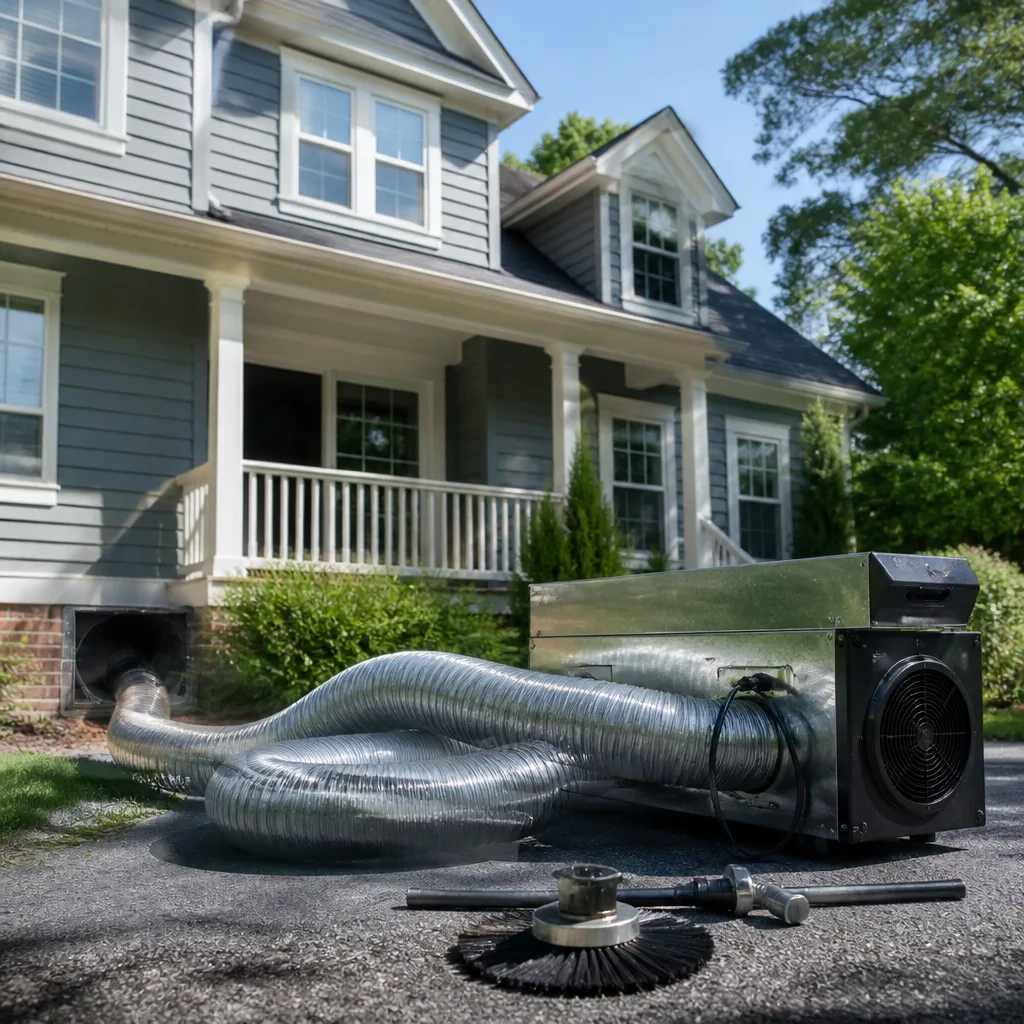 Whole-home duct cleaning
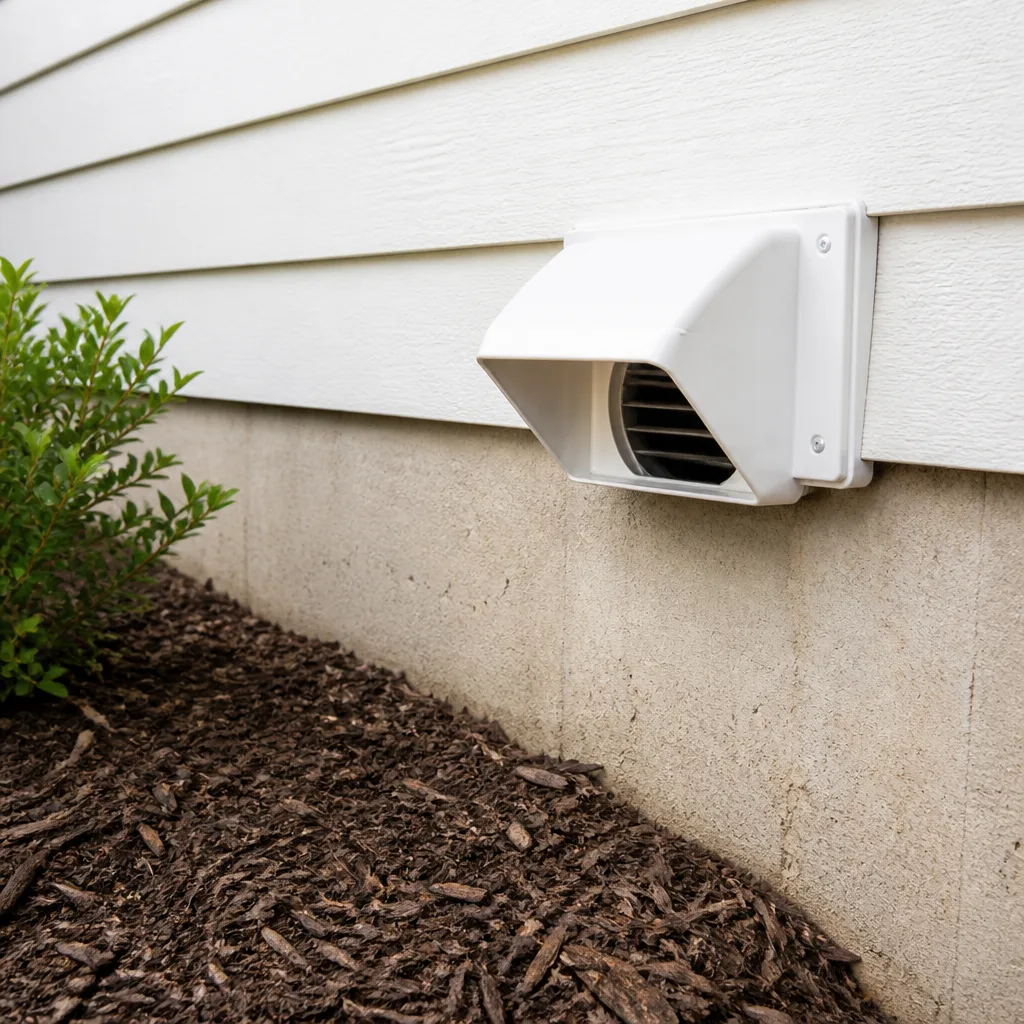 Dryer vent cleaning
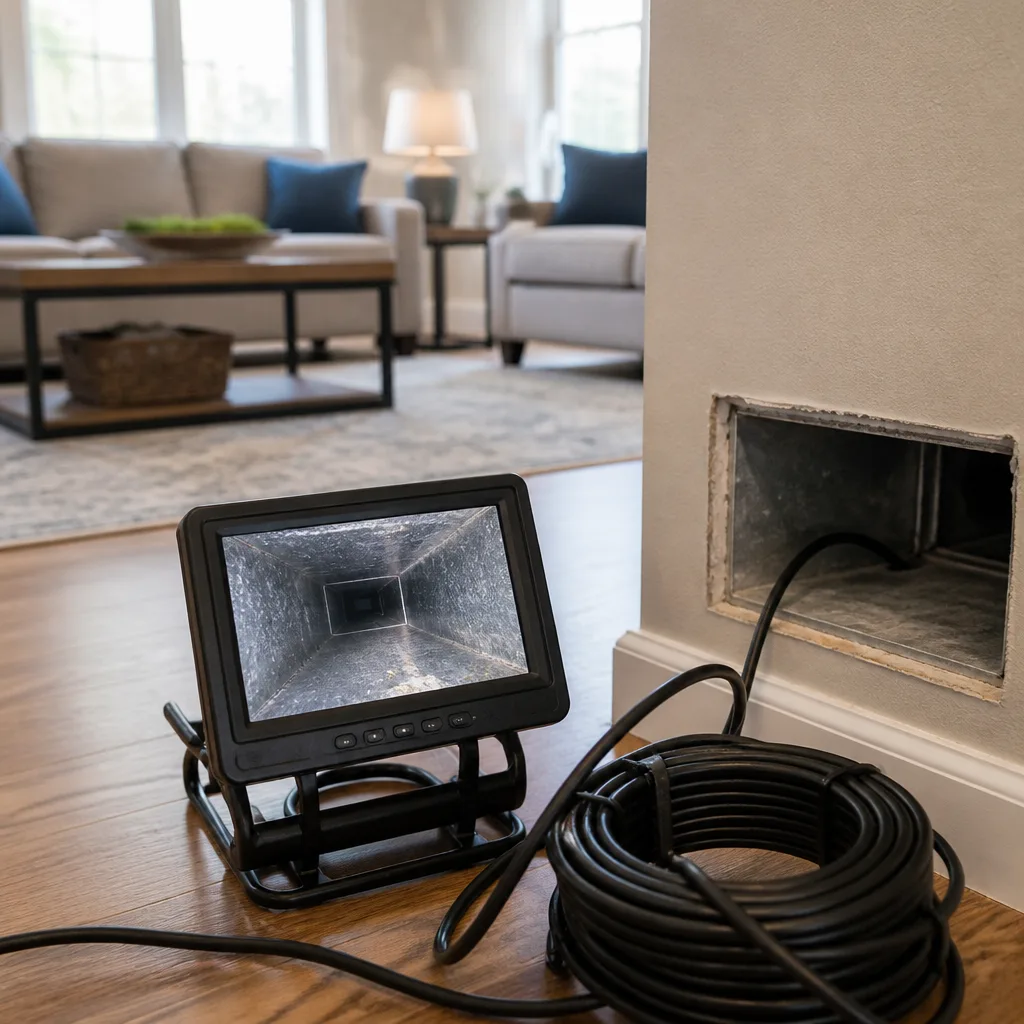 Camera inspection
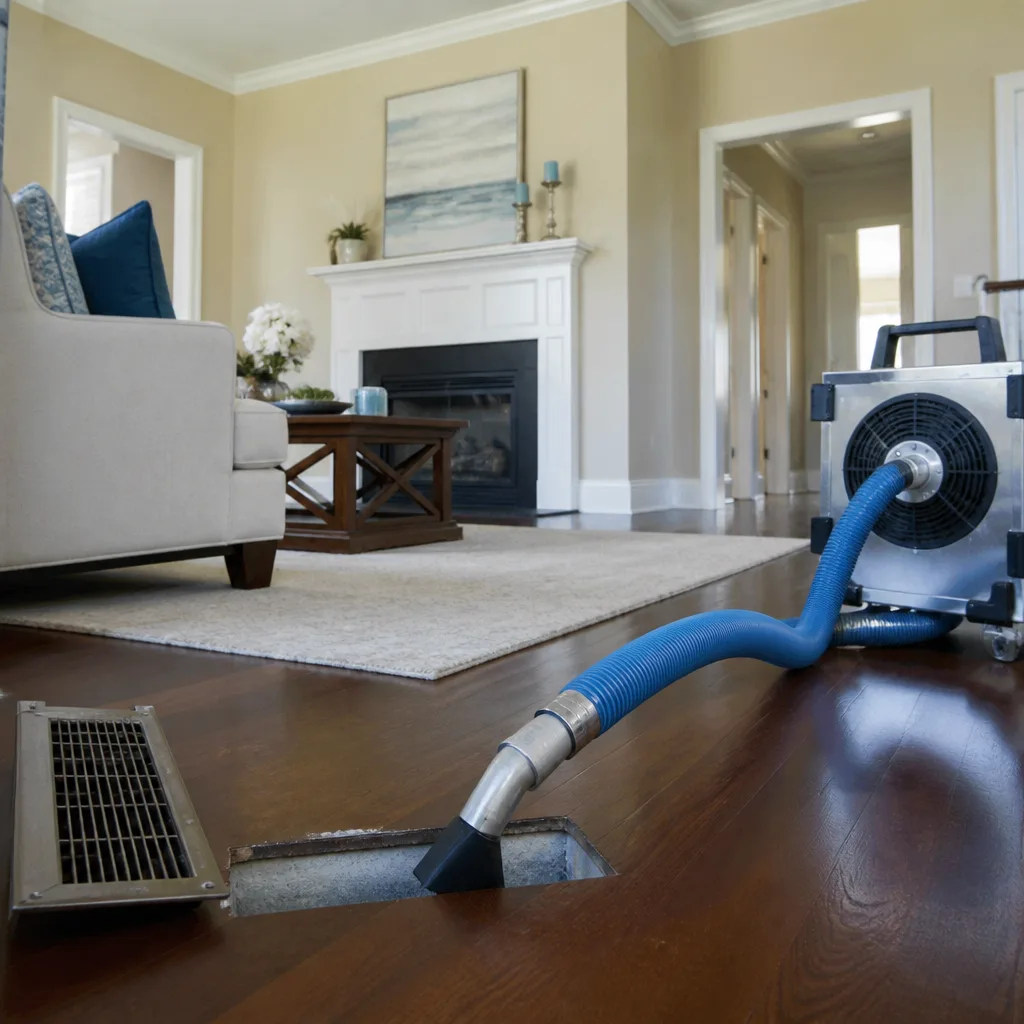 Sanitizing & deodorizing
Whole-system duct and dryer vent check with before-and-after photos - you see exactly what came out of your vents
That "$99 whole-house special" is a bait ad - the real number appears once they are in your hallway, or the "clean" is a shop-vac at the register. We photograph the inside of your ducts before and after instead.
Air Duct Cleaning Cost Breakdown: The Midtown Homeowner’s Reference for 2026
A $150 duct cleaning and a $600 duct cleaning in Midtown are not the same service priced differently. They’re fundamentally different procedures, run with different equipment, different labor time, and very different outcomes for the air your family breathes. The cheap quote is usually a furnace filter swap and a vacuum pass over the registers. The higher one is a contained, mechanically agitated, whole-system clean. Same phrase on the invoice, two different jobs. This guide breaks down what each cost tier actually delivers in Midtown, what drives the spread, and how to read a quote document so you know which procedure you’re buying before anyone touches your ductwork.
Quick Answer
Air duct cleaning in Midtown typically runs about $300 to $700 for a full-system clean of an average home, with larger or multi-story properties landing $700 to $1,200 and whole-system work that includes the air handler, sanitizing and sealing reaching $1,200 to $2,000 or more. The spread isn’t random pricing on the same job: it reflects whether the contractor does real source removal with rotary agitation and negative air pressure, or just vacuums what’s reachable. A written line-item estimate is the only way to know which one you’re getting.
Styles & brands we work with
- Whole-home duct cleaning
- Dryer vent cleaning
- Camera inspection
- Sanitizing & deodorizing
Table of Contents
- Why Two Midtown Duct Cleaning Quotes Can Differ by Four Times
- Cost-Per-Vent Pricing vs. Whole-System Flat Rate
- What a Full-Scope Cleaning Actually Includes, Line by Line
- What Drives Price Variation in Midtown Specifically
- Add-Ons Worth Paying For vs. Add-Ons That Pad the Bill
- How to Read a Duct Cleaning Quote Document
- Why DIY Duct Cleaning Doesn’t Match Professional Results
- How Often Air Ducts Really Need Cleaning
Why Two Midtown Duct Cleaning Quotes Can Differ by Four Times
The wide spread in air duct cleaning pricing around Midtown isn’t a competitive market doing its job. It’s a market where contractors are quoting entirely different scopes. One crew quotes a surface vacuum of the registers and calls it a cleaning. Another sets up containment, runs a rotary brush through every branch line, puts the system under negative pressure, and pulls the blower for service. Those are not the same product.
Here’s the part most homeowners don’t hear before signing: the low quote often gets you a technician with a shop-style vacuum and a few hours of reachable-surface work. The higher quote gets you truck-mounted or high-capacity HEPA negative air equipment, mechanical agitation tools like a Rotobrush rotary brush system, and a crew trained to work inside a containment zone. The equipment alone tells you which tier you’re in.
Three things drive the gap in Midtown:
- Equipment investment. A contractor running commercial-grade negative air machines and HEPA filtration has real capital in the truck. A contractor with a wet/dry vac doesn’t. That difference shows up in the price and in the result.
- Labor hours. A true full-system clean on an average Midtown home takes several hours, sometimes most of a day for larger properties. A surface pass can be done in an hour.
- Scope boundaries. Does the quote include the air handler? The return plenum? Sanitizing? Sealing? Every boundary a contractor draws saves them money and costs you air quality.
If you’re comparing three quotes and one is dramatically lower, the question to ask isn’t “why are they cheaper” but “what part of the system are they not cleaning.” For a baseline on what professional air duct cleaning should involve, work backwards from the equipment, not the price.
Cost-Per-Vent Pricing vs. Whole-System Flat Rate
Cost-per-vent pricing means the contractor charges by the number of registers and returns, often quoted as a low per-vent figure that looks attractive on a flyer. Whole-system flat rate means one price for the entire air pathway, agreed before work starts. These two models incentivize very different behavior.
Per-vent pricing pays the contractor more for more vents, which sounds fair until you realize the incentive runs the wrong way. A technician working on a per-vent model is faster when the vents are quick to service, which usually means a shallow pass at each register. The real contamination lives inside the branch runs, the trunk line, and the plenum where ducts connect to the air handler, not at the grille. A per-vent job can be completed without ever agitating the interior of a single duct run.
Flat-rate whole-system pricing aligns the incentive differently. The contractor agrees to clean the whole pathway for one number, so the only way to protect the margin is to work efficiently with the right equipment rather than skip the hard parts. You’re buying a defined scope, not a count.
Here’s what we’ve seen in our experience across Midtown properties:
- Per-vent pricing tends to start deceptively low and climb as the technician finds “additional” vents, “extra” returns, or “discovered” contamination. The final invoice can land well above a flat-rate quote.
- Flat-rate pricing sets the number before the work starts. The scope is written down. If the scope changes, you get a revised written estimate, not a surprise.
- One flat price per system is the simplest thing to compare across quotes. When every contractor quotes the same way, the low outlier is a red flag instead of a bargain.
Ask every contractor you call which model they use. The answer tells you almost as much as the price.
What a Full-Scope Cleaning Actually Includes, Line by Line
A credible full-scope duct cleaning breaks into numbered stages, and each stage has real labor and equipment behind it. When a quote skips a stage, it shows up here. Here’s what the work should look like when it’s done properly:
- System inspection. Before any cleaning, the technician walks the system: supply plenum, return plenum, trunk lines, branch runs, air handler. They note flex duct that’s collapsed, disconnected joints, and where the contamination is worst. In older Midtown homes this inspection routinely turns up duct runs that were installed loose or never sealed properly.
- Negative air setup and containment. High-capacity HEPA vacuum equipment, often from Abatement Technologies, is connected to the main trunk so the entire duct system runs under negative pressure for the duration of the cleaning. This is what keeps dislodged debris from drifting into the living space. It’s also the single biggest difference between professional cleaning and a shop vac.
- Register and grille removal. Every supply register and return grille gets pulled, cleaned separately, and put back. A crew that cleans with the grilles in place is leaving the debris that settles around the edges.
- Mechanical agitation of the duct interior. Rotary brush systems like a Rotobrush and high-pressure air whips break loose the attached debris that a vacuum alone won’t lift. This is the source-removal step, and it’s the one most often skipped by low-quote contractors.
- Air handler and blower service. The blower wheel, the coil, and the cabinet interior get cleaned. The blower wheel is a debris trap: a dirty wheel throws less air and drives up energy use. Cleaning the ducts without cleaning the blower is like cleaning a room and leaving the trash in the closet.
- Sanitizing and air quality treatment. After the physical clean, a sanitizing application treats the duct surfaces. For homes with allergy concerns or a recent renovation, this step is worthwhile. It’s not a substitute for cleaning: sanitizer sprayed onto a dirty duct just wets the dust.
- Duct repair and sealing. Any leaks, disconnected joints, or crushed flex sections get addressed, often with Guardsman sealing products. Sealing matters because unsealed ducts pull contaminated air from attics and crawl spaces straight into the system. Duct repair and sealing is its own defined service for a reason.
Every one of those steps should show up as a line on the estimate. If a quote lists one line, you know what you’re getting.
What Drives Price Variation in Midtown Specifically
Midtown’s housing stock shapes duct cleaning pricing in ways you won’t see in a new subdivision. The neighborhood’s mix of older homes, renovated properties, and multi-story buildings means the duct layouts are rarely simple, and the price reflects that.
Multi-story homes. A two- or three-story Midtown home means longer duct runs, more branch lines, and a second or third air handler in some cases. Longer runs take more agitation time and more negative-air capacity to keep the whole system under pressure. The labor roughly scales with the complexity of the run.
Older flex duct systems. Midtown has plenty of homes where the original ductwork has been through a renovation or two. Older flex duct is prone to pinching, tearing, and sagging, all of which trap debris and make cleaning harder. A crew that finds crushed flex sections has to either clean around them or repair them, and repair is a separate scope with its own line item. This is why a Midtown quote for an older home often looks higher than one for a newer property: the work is genuinely larger.
Combined scope. Many Midtown homeowners book HVAC cleaning in the same visit as duct cleaning, and dryer vent cleaning alongside it. Combining scopes usually improves value, since the crew is already set up with the equipment and containment in place. A dryer vent line that’s never been cleaned is a fire-safety issue and often overlooked by contractors who only do ducts. Combining the work in one visit makes sense when the scopes overlap.
Renovation dust. Midtown’s steady renovation activity means a lot of homes have drywall dust, sawdust, and construction debris settled into the ducts. Renovation debris is heavier and more abrasive than ordinary household dust, and pulling it out takes more agitation passes than routine maintenance cleaning. If your home has been through a gut renovation or major remodel in the last couple of years, expect the quote to reflect the extra work. A cleaning booked right after a renovation is often the most valuable one you’ll schedule.
Add-Ons Worth Paying For vs. Add-Ons That Pad the Bill
Add-ons are where the honest contractors and the pad-the-bill contractors separate. Some add-ons solve a real problem. Others are solutions looking for a problem, priced high because they sound technical.
Add-ons with legitimate value:
- Coil cleaning. The evaporator coil is a wet, dark surface that collects dust, and a dirty coil cuts system efficiency and can grow biological growth. Cleaning the coil as part of HVAC service is real value. If your system is older or the airflow has dropped, coil cleaning is worth it.
- Duct sealing. Leaky ducts pull attic and crawl space air into the system and pull conditioned air out of it. Sealing is the fix for the root cause, not a surface treatment. This is a defined service for good reason.
- Dryer vent cleaning. A dryer vent carries lint, and lint is fuel. This is a fire-safety line item, not a comfort extra, and it’s worth having done on a schedule.
Add-ons with marginal return:
- UV light installation without coil cleaning. A UV light aimed at a fouled coil does not clean the coil. The light treats surfaces it can reach, and it can’t penetrate a layer of dust and biofilm. If a contractor pitches a UV light and doesn’t also clean the coil, ask why. A clean coil plus filtration is the priority; the light comes later if it makes sense for your setup.
- Sanitizer as a standalone. If the ducts aren’t mechanically cleaned first, sanitizing is cosmetic. The right order is clean, then seal, then treat the air with filtration options from Aprilaire or Honeywell if ongoing filtration is the goal.
The pattern: add-ons that address a physical problem (coil, leaks, lint) pay for themselves. Add-ons that treat a dirty system without cleaning it first don’t. A contractor who tells you that honestly is the one to trust.
How to Read a Duct Cleaning Quote Document
A quote document should let you confirm the scope without calling the contractor back. If it doesn’t, that’s the answer to whether you should hire them.
Here’s the checklist for a credible quote:
- Written, itemized, and dated. One line reading “duct cleaning” is not a quote. It’s a placeholder. A credible quote lists each stage of work, the equipment involved, and the price per stage or as a clearly defined bundle.
- Explicit scope boundaries. The quote should say whether it includes the air handler, the return plenum, the blower wheel, and the registers. Where does the cleaning stop? “Supply and return ducts” means one thing; “the entire air pathway” means another.
- State the model of pricing. Is it flat-rate for the whole system, or per-vent? If per-vent, ask how many vents exist and whether the number can change once the tech arrives. A quote that can grow is not a quote.
- Equipment named. A competent contractor can name the equipment. Rotary brush systems, HEPA negative air units, containment setup. If they can’t tell you what they’ll bring, they probably don’t know.
- Add-ons priced separately. Coil cleaning, sealing, dryer vent, sanitizing should each be a line, priced so you can decline the ones you don’t want. Add-ons bundled into an opaque total are hard to evaluate.
- What happens if they find damage. If the crew finds crushed flex duct or disconnected joints, what’s the process? A good contractor notes the issue in writing, prices the repair separately, and lets you decide. The price doesn’t change because the tech discovered something on the spot.
- The written estimate sets the final price. That line should be in the quote or in the contract. If it isn’t, ask for it in writing before any work begins.
Before-and-after photos are worth requesting too. A contractor using proper equipment can document what the ducts looked like before and after the clean. The photos give you a record of what was actually done, not just what was promised.
Why DIY Duct Cleaning Doesn’t Match Professional Results
We understand the appeal of renting a vacuum and tackling duct cleaning yourself. The problem is that the tools a homeowner can buy or rent cannot reach the contamination that matters. A household vacuum can’t maintain negative air pressure across the system, which means the debris it loosens goes somewhere, often back into the rooms. And the registers and reachable duct surface are the least contaminated part of the system. The trunk line, the plenum, and the air handler are where the soil lives, and none of those are accessible with a consumer tool.
A rotary brush system has a flexible shaft that drives a spinning brush through a full duct run, working the interior surface around bends and elbows. A wet/dry vac has no answer for that. This is also why a homeowner can spend a whole day on the ducts and see no change in air quality or allergy symptoms: the debris hasn’t actually left the system.
There’s a safety dimension, too. Getting into the air handler means working near electrical components, and the air handler cabinet houses the blower and controls. That’s a job for a trained technician, not a weekend project. If a duct looks damaged, or you smell a persistent musty odor that doesn’t clear, call a professional. The risk of disturbing something you can’t see is not worth the savings on a cleaning job.
How Often Air Ducts Really Need Cleaning
There’s no universal answer. Most homes don’t need duct cleaning on a fixed schedule, but several real triggers point to it being time. Here’s the honest list:
- After a major renovation. Drywall dust and construction debris settle into the ducts and stay there. Clean after the project, not before it.
- A persistent musty or stale smell when the system runs. This often points to moisture and organic growth inside the system, which cleaning and sanitizing can address.
- Visible debris or dust streaks around the supply registers. If you’re seeing dust blow out of the grilles, the ducts are sending it into the room.
- Noticeable allergy symptoms that worsen when the HVAC system runs. Reduced airborne burden often helps, though cleaning isn’t a medical treatment.
- A new baby or a family member with respiratory sensitivity. Reducing airborne particulates is a reasonable step, and filtration from Aprilaire or Honeywell can run alongside the cleaning.
- A home you’ve just moved into with an unknown maintenance history. A one-time cleaning establishes a baseline.
Dryer vent cleaning runs on a different clock. A dryer vent that hasn’t been cleaned in years is a fire risk, and lint accumulates quickly. Having the dryer vent cleaned when the ducts are cleaned is a sensible habit. A home with pets may pull in more dust, so a shorten interval between cleanings makes sense.
If your system hasn’t been serviced and you’re not sure whether it’s due, a professional inspection is the cheapest way to find out. Our team can tell you what we find.
Common Mistakes to Avoid
- Choosing on price alone. The lowest quote is often the lowest scope, not the best deal. Compare the written line items before you compare the totals.
- Accepting a per-vent quote that can grow. A quote that starts low and climbs once the tech is on site is not a quote. Ask for a flat price per system before work starts.
- Skipping the air handler. Ducts cleaned while the blower and coil stay dirty leave the biggest debris source untouched. The air handler should be on every quote.
- Buying a UV light without coil cleaning. A UV light aimed at a dirty coil does nothing useful. Clean the coil first, then decide on air quality products.
- Using a contractor who won’t put the estimate in writing. Verbal quotes invite a large invoice at the end. Written estimates set the final price.
- Ignoring the dryer vent. A dryer vent full of lint is a fire risk that many duct cleaners don’t check. Ask if dryer vent cleaning is part of the scope.
- Not asking for before-and-after photos. Photos of your own ducts before and after the work are the simplest way to confirm the job you paid for was actually done.
See the difference
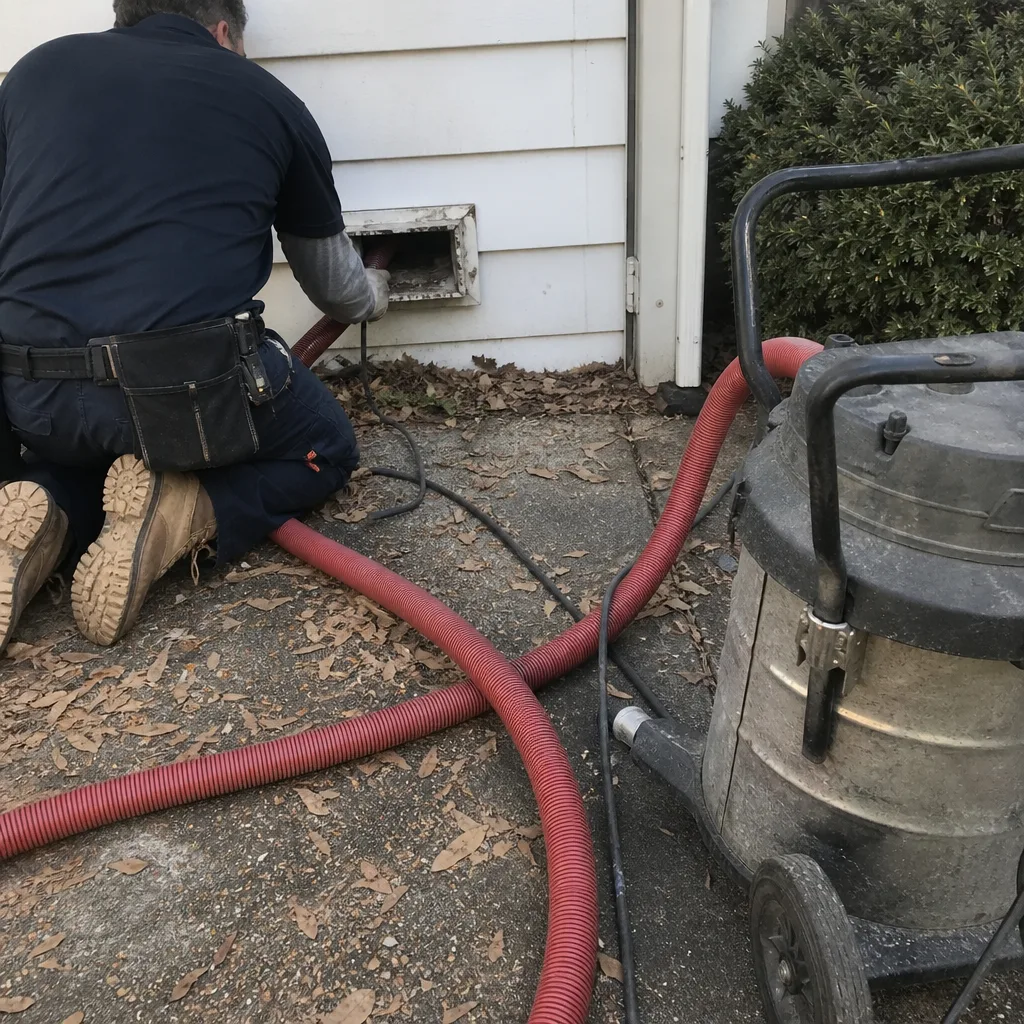 Before
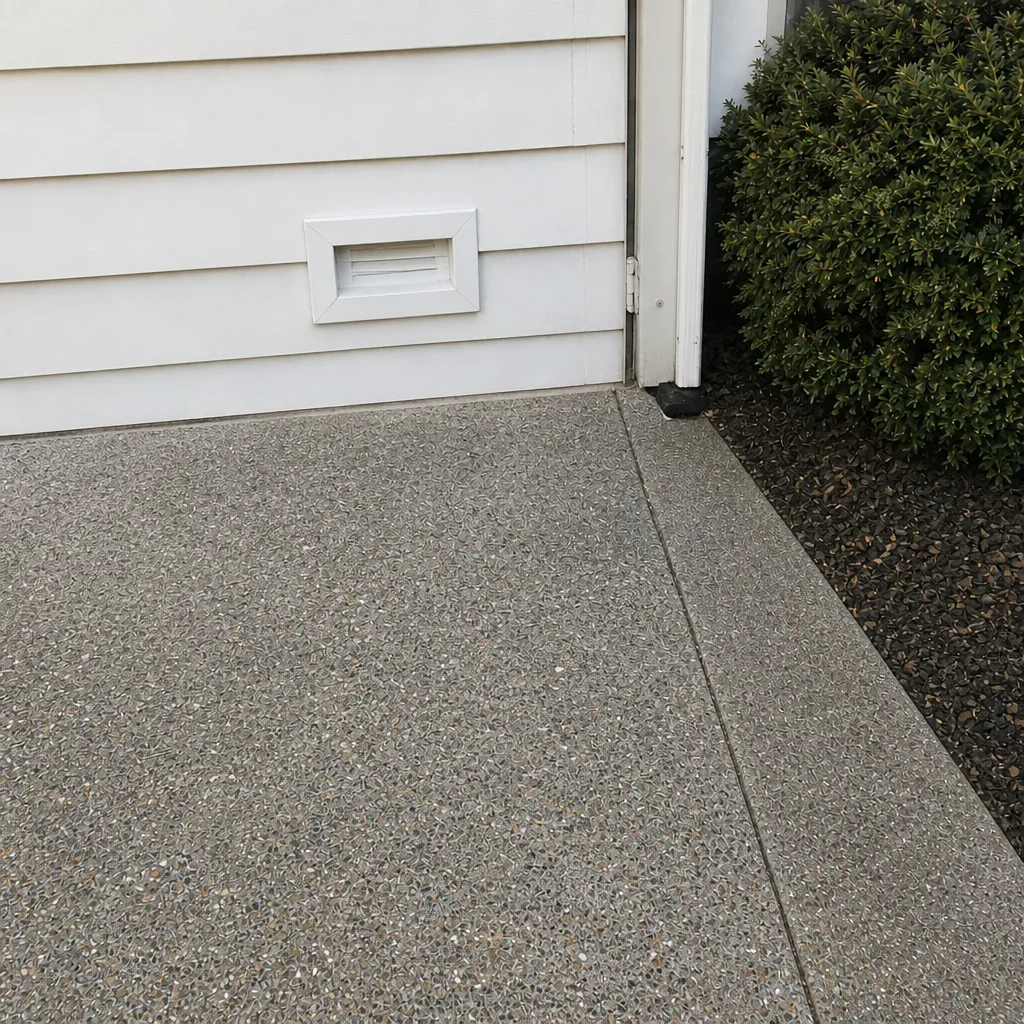 After
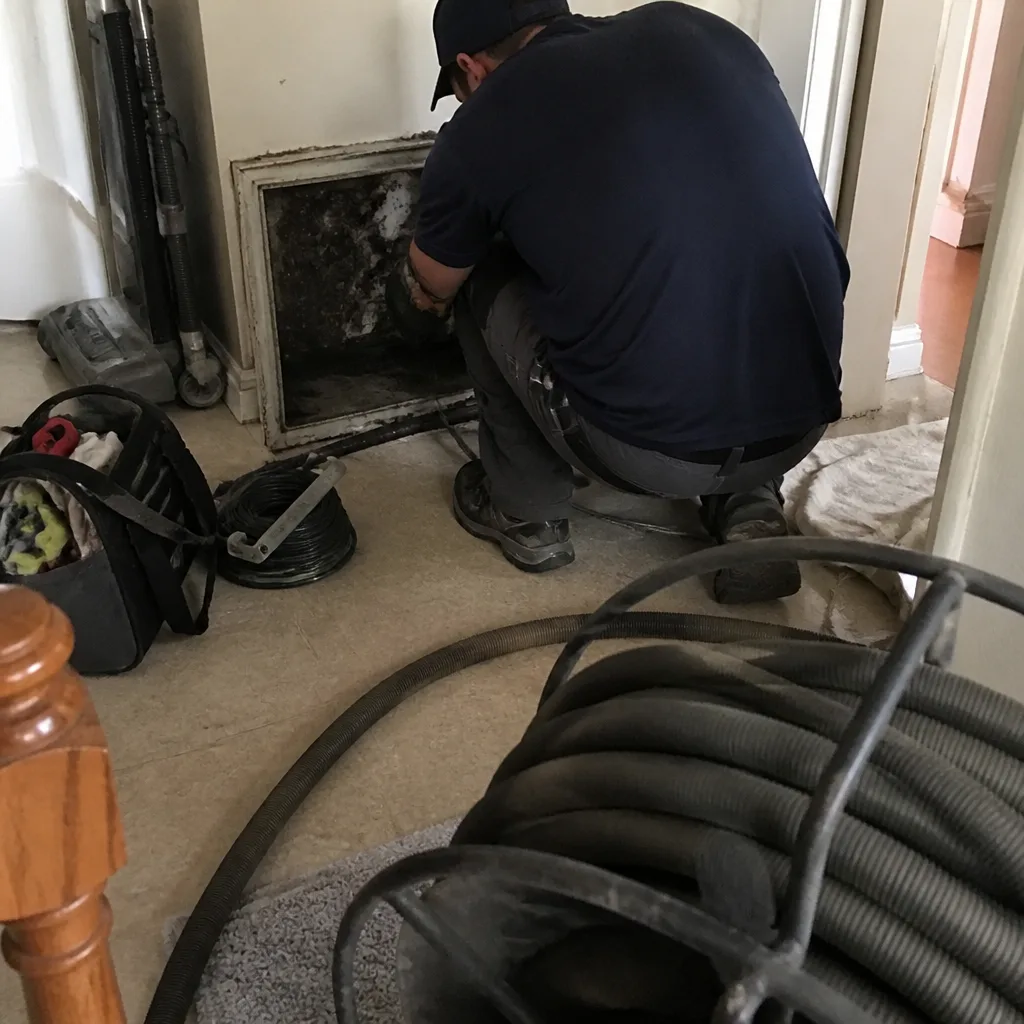 Before
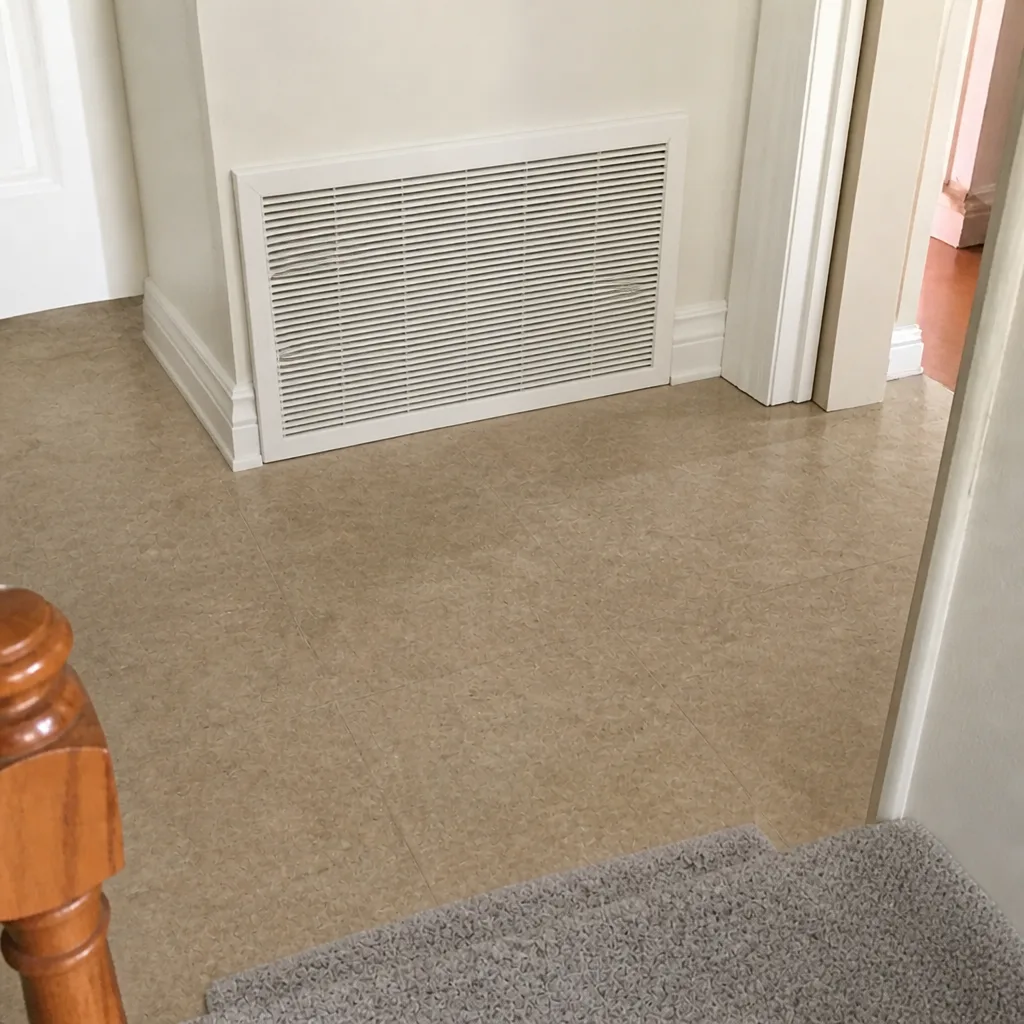 After
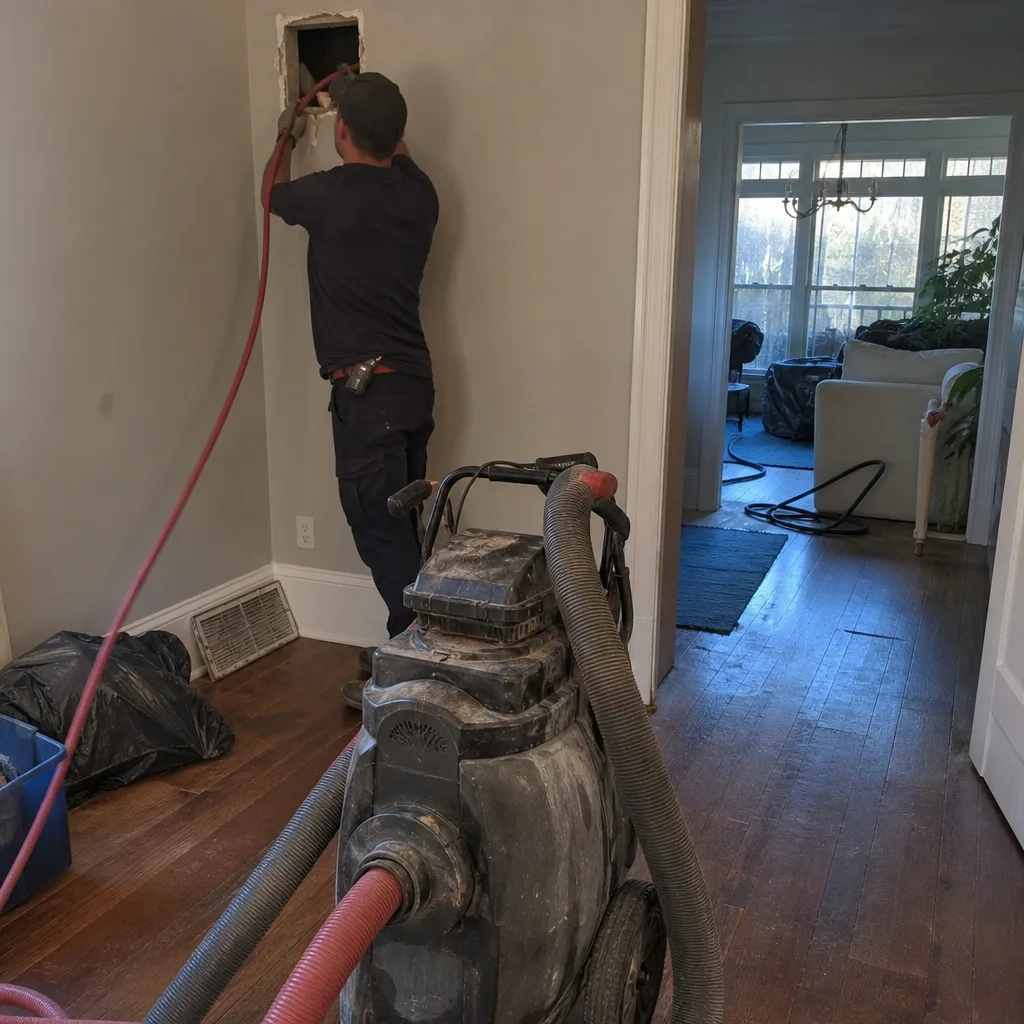 Before
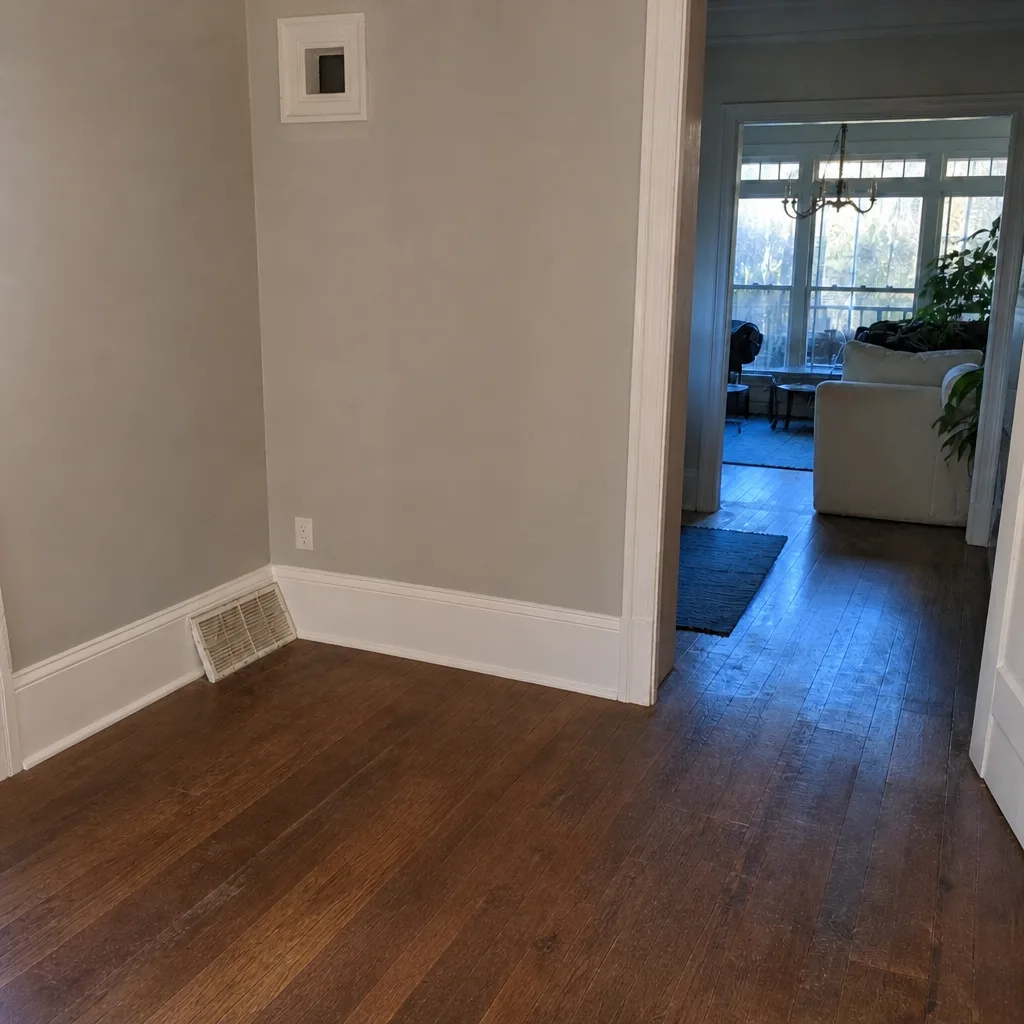 After
When to Call a Professional
Call a professional when the ducts are visibly soiled, when the system smells musty every time it runs, when a renovation has left debris behind, or when you’re moving into a Midtown home with an unknown maintenance history. Call when a dryer vent hasn’t been cleaned in years, when the airflow has dropped, or when someone in the household has respiratory sensitivity and you want to reduce the dust in the air. Call if you’ve had a quote you can’t read, or a quote that seemed too low to be real and you want a second opinion before work begins.
Air Duct Cleaning Midtown offers free estimates in Midtown – call (844) 605-0607. We answer 24/7. Fast dispatch from 7am to 7pm, Sunday through Friday. The estimate is free and the written estimate sets the final price.
Frequently Asked Questions
Air duct cleaning in Midtown typically costs $300 to $700 for a full-system clean of an average home, with larger or multi-story properties at $700 to $1,200 and whole-system work including the air handler, sanitizing, and sealing at $1,200 to $2,000 or more. The range depends on the scope, the duct layout, and the age of the system. Call (844) 605-0607 for an exact quote – estimates are free.
Cheap quotes are usually a smaller scope, not a discounted version of the same job. A low quote often covers a surface vacuum of the registers without mechanical agitation, air handler service, or containment. Ask for a line-item written estimate and compare the scopes, not just the totals. Call (844) 605-0607 for an exact quote – estimates are free.
Ask for before-and-after photos of your own ducts, and read the written estimate to confirm each stage was included. A contractor using professional equipment can document the clean. At Air Duct Cleaning Midtown, we work with before-and-after photos and one flat price per system agreed before work starts. Call (844) 605-0607 for an exact quote – estimates are free.
Most homes don’t need duct cleaning on a fixed schedule. The triggers are a recent renovation, a persistent musty smell, visible debris at the registers, allergy symptoms that worsen when the system runs, or moving into a home with an unknown maintenance history. Call (844) 605-0607 for an exact quote – estimates are free.
Not always. The air handler and dryer vent are separate scopes and should appear as line items on the quote. At Air Duct Cleaning Midtown, air duct cleaning, dryer vent cleaning, HVAC cleaning, air quality and sanitizing, and duct repair and sealing are all handled under one provider, so you can coordinate the whole air pathway in a single visit. Call (844) 605-0607 for an exact quote – estimates are free.
In many cases yes, and it should be. Crushed flex duct and disconnected joints undermine everything a cleaning accomplishes, so we repair what we find and price the repair as a separate line item before doing it. Duct repair and sealing addresses the root cause of duct leakage, not just surface contamination. Call (844) 605-0607 for an exact quote – estimates are free.
The Bottom Line
The spread in Midtown duct cleaning pricing comes down to scope, not market competition. A $150 job and a $600 job are different procedures with different equipment and different outcomes. Whole-system flat-rate pricing protects you better than per-vent pricing, and a written line-item estimate is the only way to know what you’re buying. Look for explicit scope boundaries, named equipment like Rotobrush and Abatement Technologies, and clear line items for add-ons with real value (coil cleaning, duct sealing, dryer vent) versus add-ons that pad the bill. Our technicians have up to 13 years of experience, and we bring professional-grade equipment, not consumer shortcuts. Air Duct Cleaning Midtown can walk you through the entire air pathway.
For a free estimate, call (844) 605-0607. We answer 24/7. Fast dispatch from 7am to 7pm, Sunday through Friday.
Written by the team at Air Duct Cleaning Midtown.