
Last updated November 25, 2026
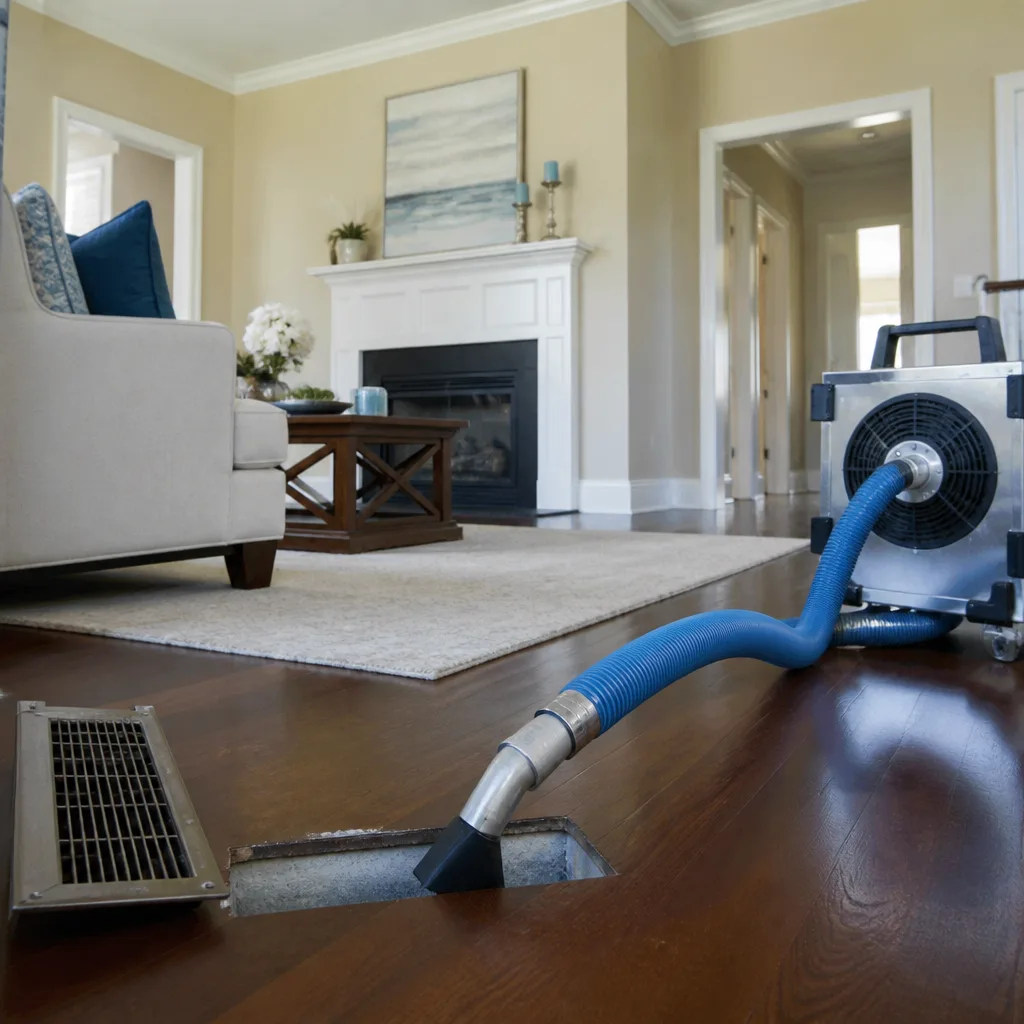
 Whole-home duct cleaning
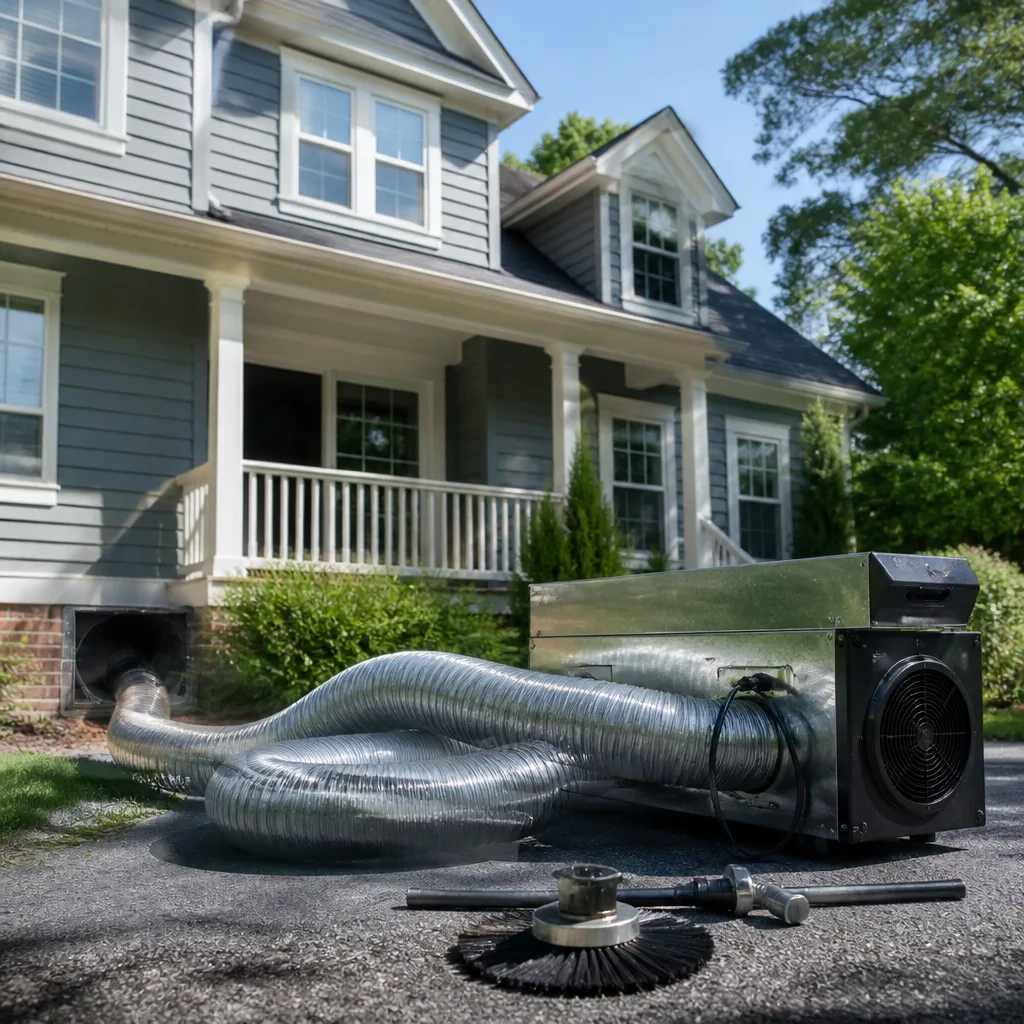
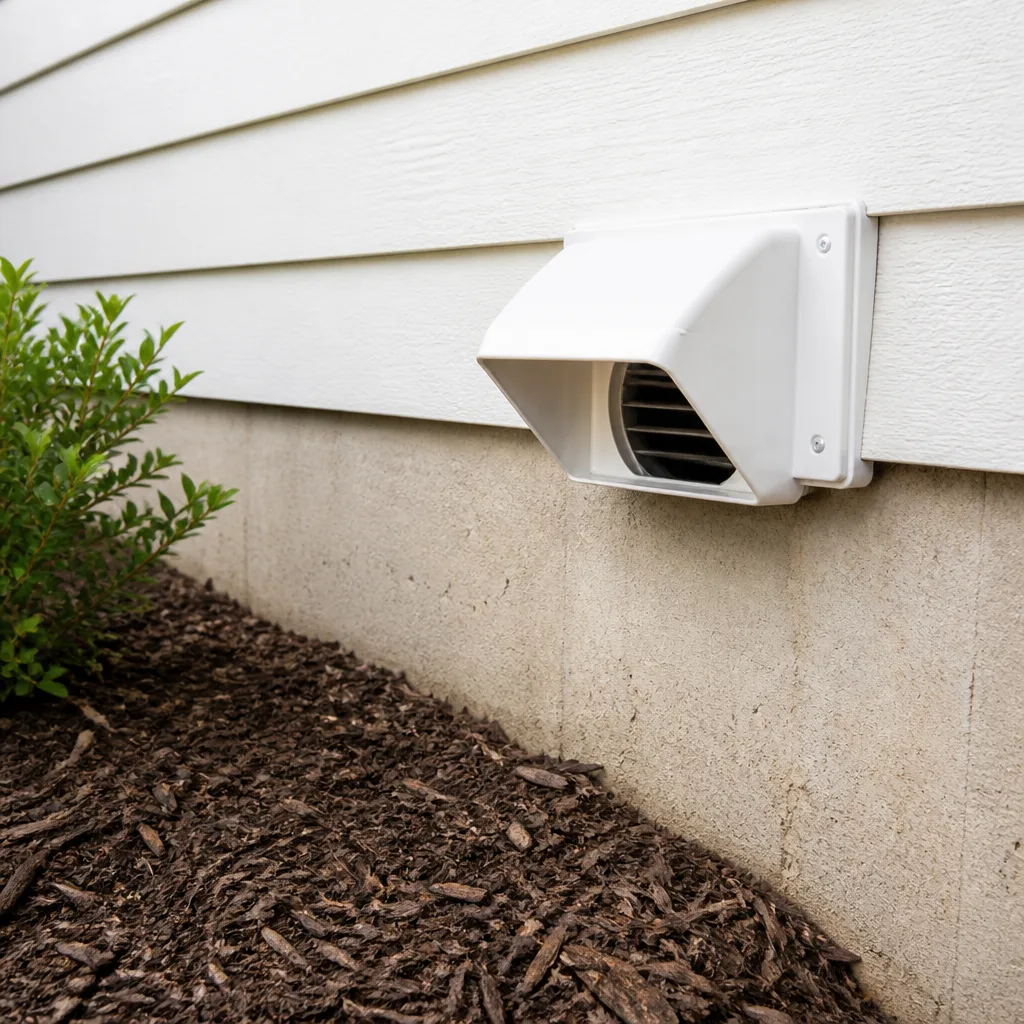 Dryer vent cleaning
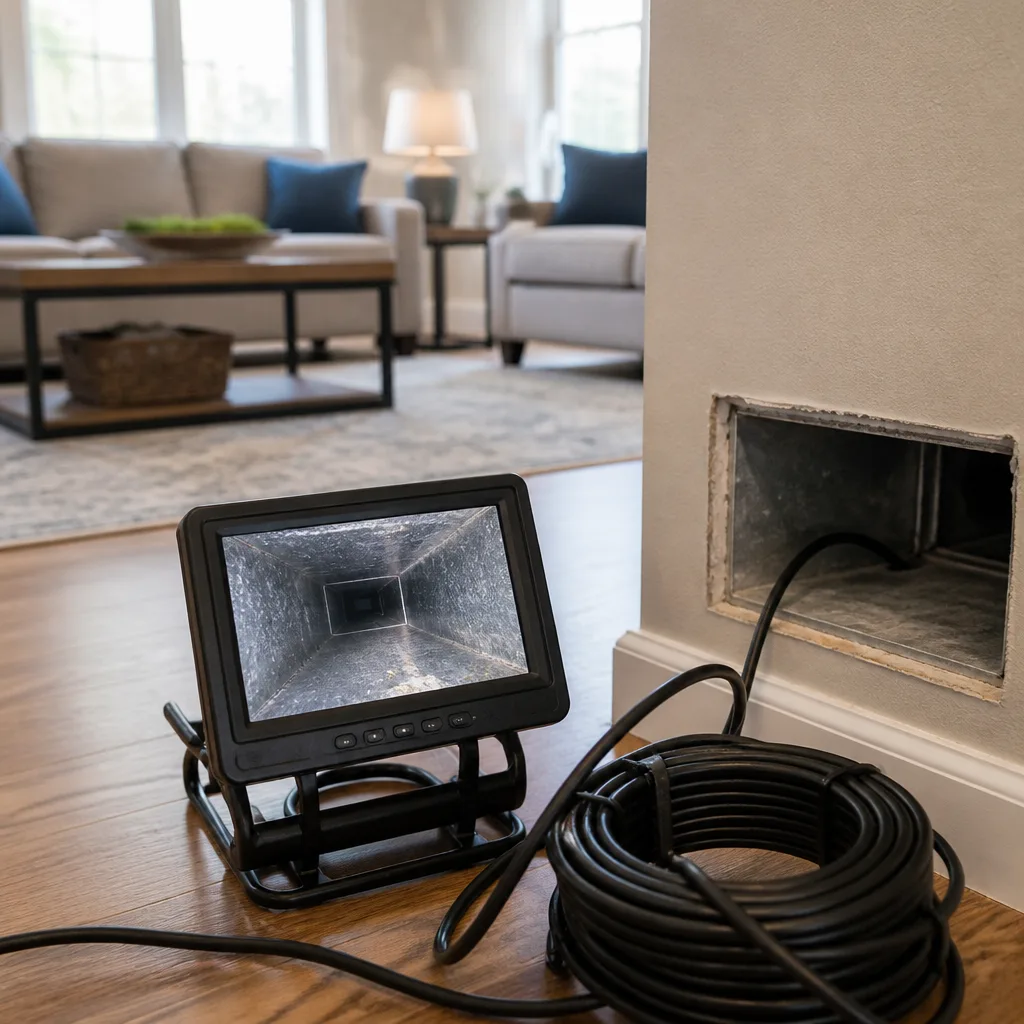 Camera inspection
 Sanitizing & deodorizing
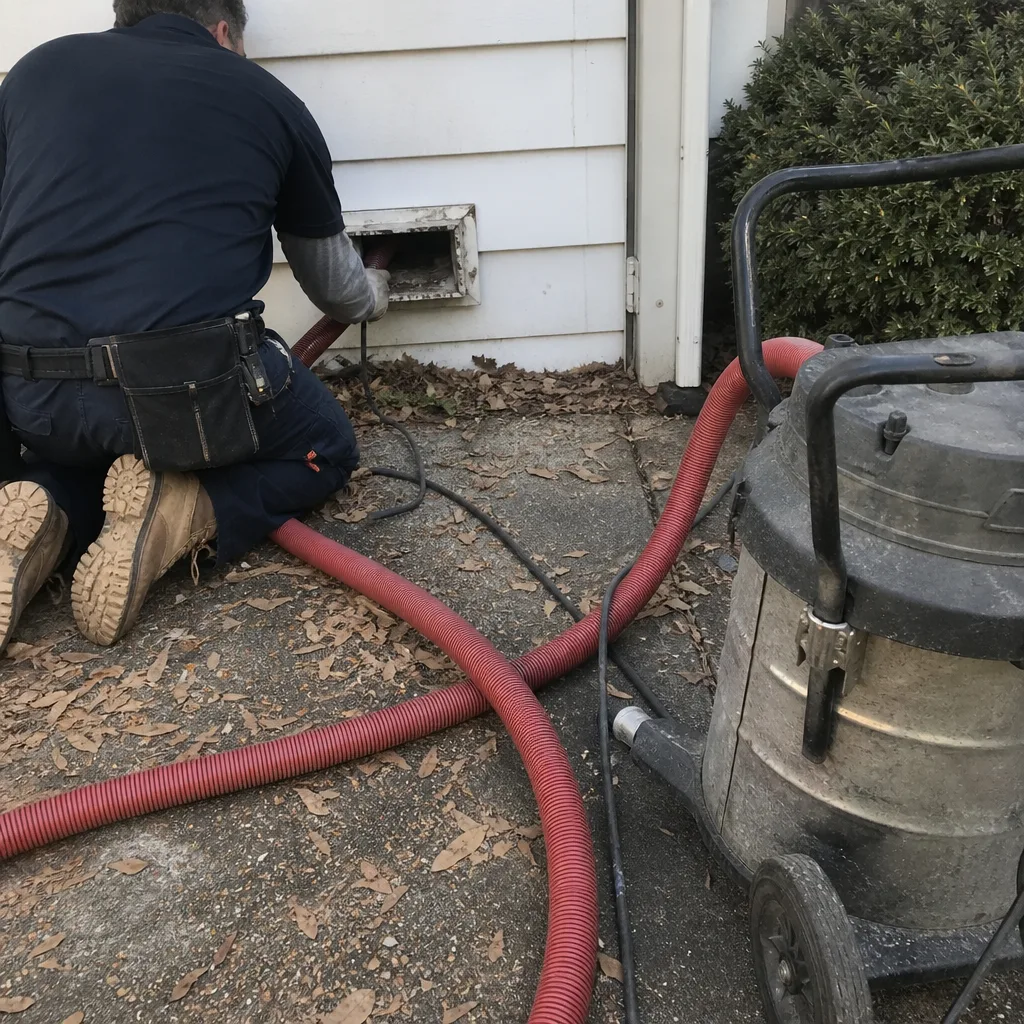
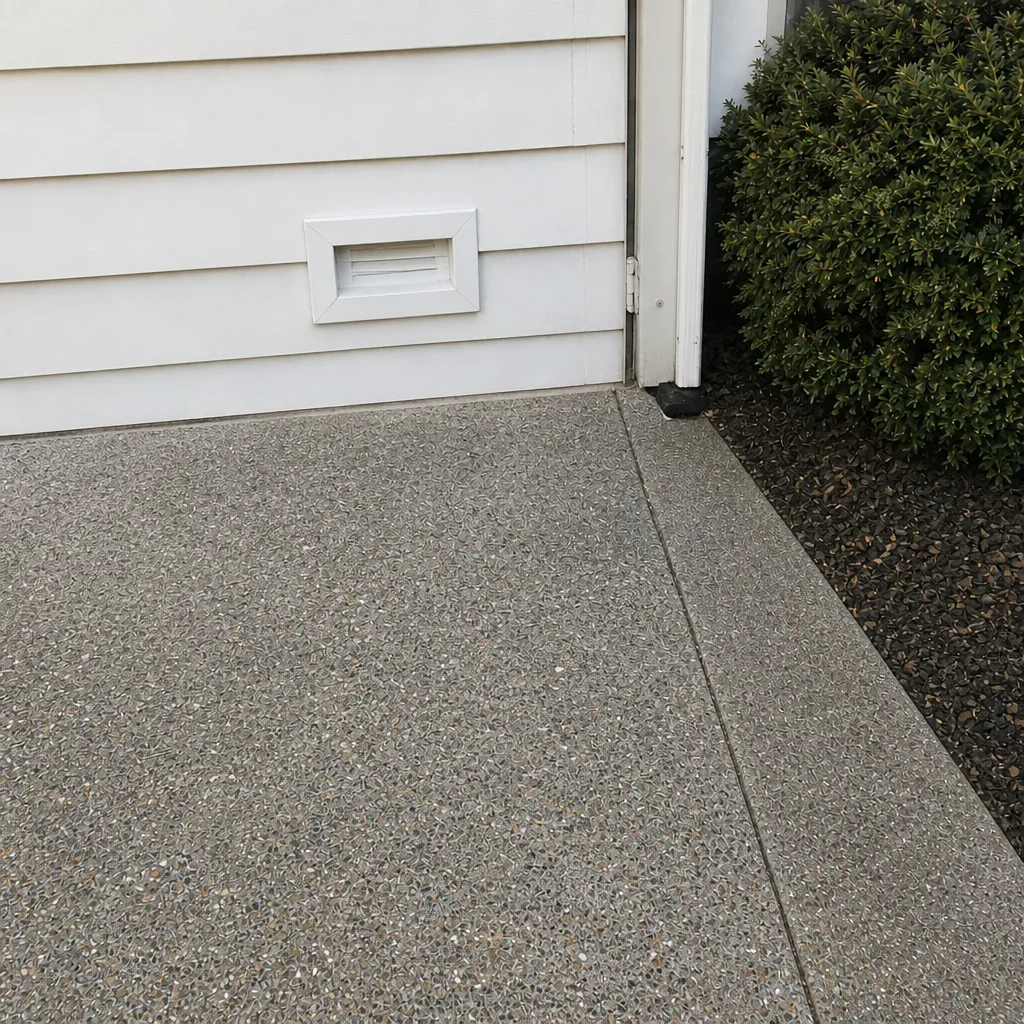
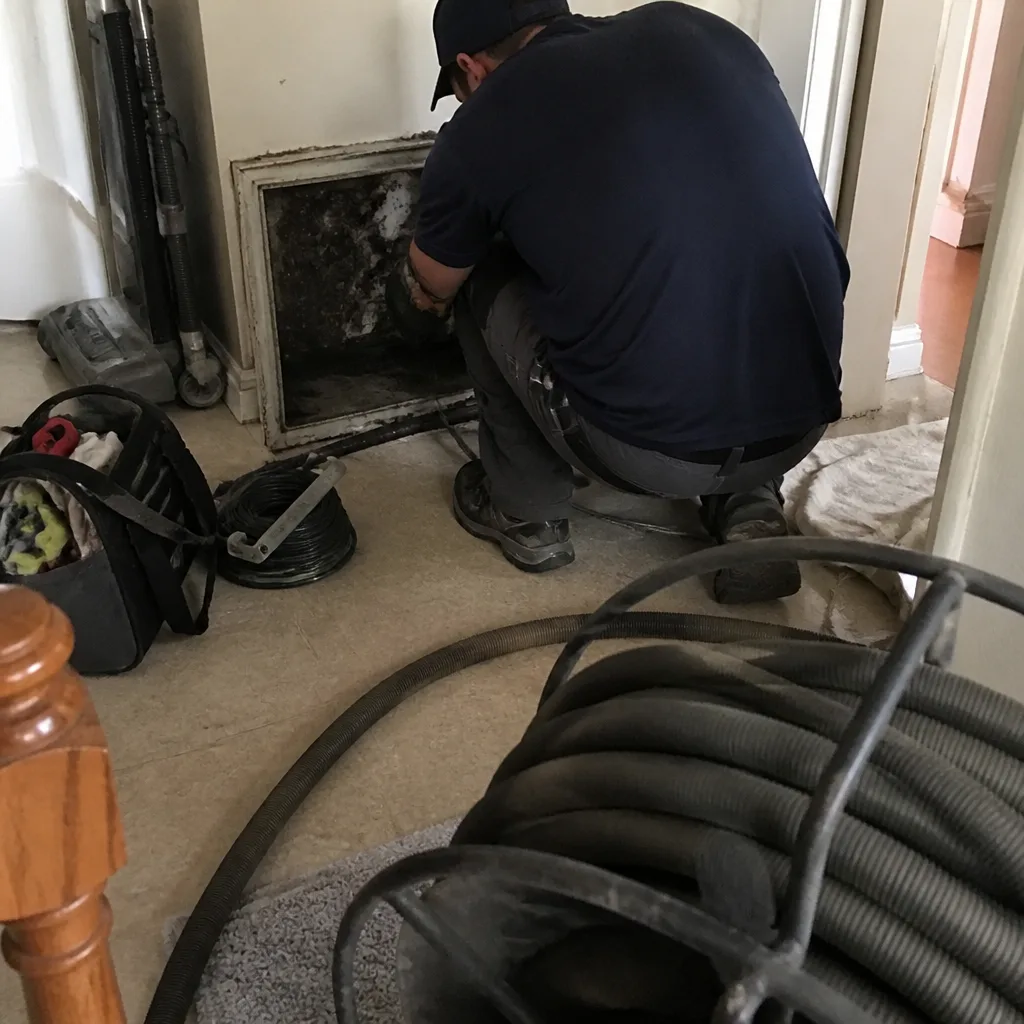
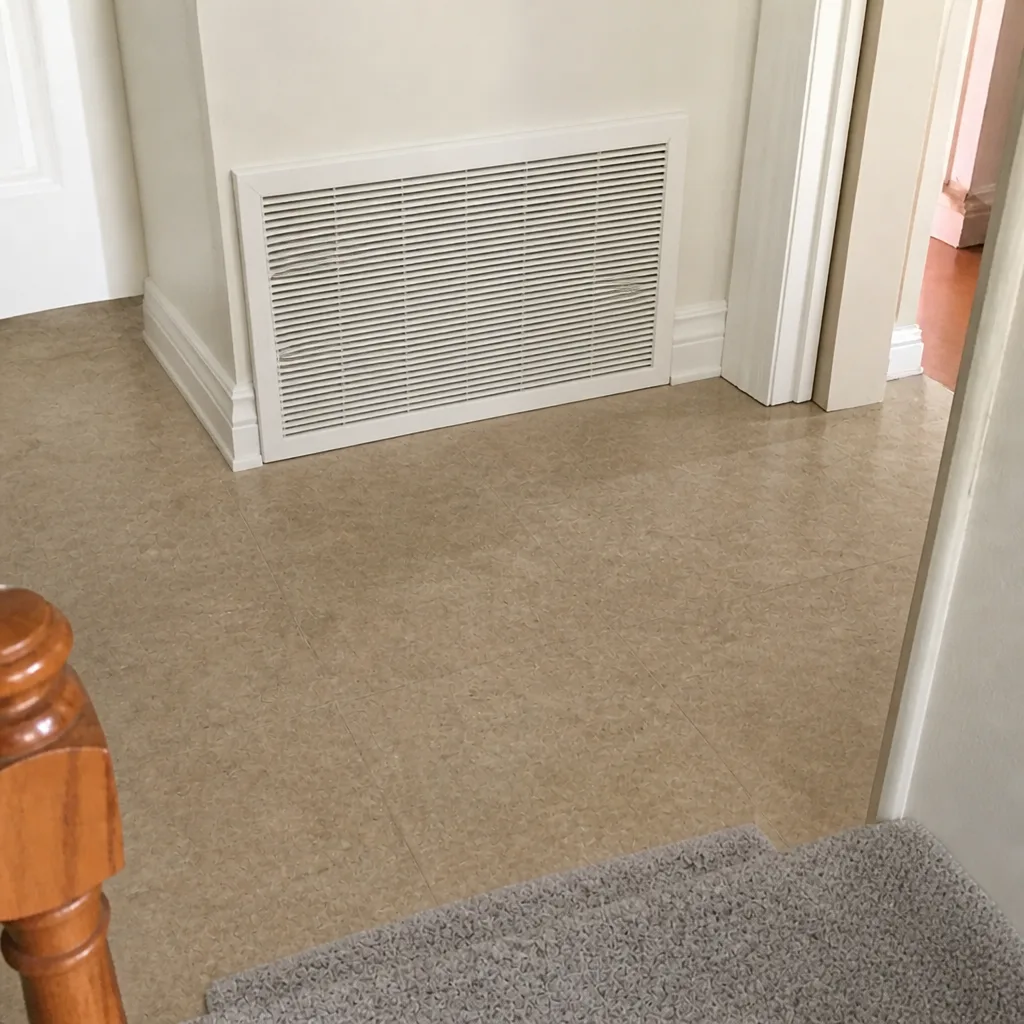
Whole-system duct and dryer vent check with before-and-after photos - you see exactly what came out of your vents
That "$99 whole-house special" is a bait ad - the real number appears once they are in your hallway, or the "clean" is a shop-vac at the register. We photograph the inside of your ducts before and after instead.
Seasonal Air Duct Cleaning Care for Midtown: Year-Round Homeowner’s Guide
Most homeowners think about duct cleaning once a year at most. In Midtown’s climate, though, the system faces four separate contamination cycles annually, each with a different biological or particulate profile. Spring pushes tree pollen through return grilles. Summer breeds mold in cool, damp plenums. Fall lifts settled debris when the system flips to heat. Winter keeps fine particulate aloft in dry indoor air. Treating all four as the same event means you clean at the wrong time, or not at all. This guide maps each Midtown season to the specific threat it introduces and the service response that neutralizes it before it compounds. We’ll also show you how to build a service calendar around your system’s actual behavior.
Quick Answer
Seasonal air duct cleaning in Midtown should follow the calendar of what’s actually entering the system: a full cleaning in late spring catches pollen and the cooling season’s condensation damage, while a lighter filter-and-inspection service in early fall catches debris re-suspension before the heating switch-over. Most Midtown homes do well with one deep professional cleaning per year, timed to the season that stresses the system most, plus targeted checkups and high-MERV filtration between visits.
Styles & brands we work with
- Whole-home duct cleaning
- Dryer vent cleaning
- Camera inspection
- Sanitizing & deodorizing
Table of Contents
- Spring in Midtown: Tree Pollen and Return Grille Infiltration
- Summer in Midtown: Condensate, Sweating Boots, and Mold Conditions
- Fall in Midtown: Re-Suspension When the System Switches to Heat
- Winter in Midtown: Dry Air, Airborne Particulate, and Combustion Appliances
- How to Build a Seasonal Service Calendar for Midtown
- Filtration, MERV, and the Filter That Fits Your Duct System
- Why Equipment Choice Matters in Seasonal Cleaning
- Common Mistakes to Avoid
Spring in Midtown: Tree Pollen and Return Grille Infiltration
Spring in Midtown arrives fast. The trees that line the neighborhood streets, the parks that fill with people once the weather breaks, and the older bungalows and mid-rises that surround them all release pollen in roughly the same window. That pollen doesn’t just coat your car and your porch. It gets pulled into the return grilles that feed your HVAC system, and once it’s inside the ductwork, it becomes part of the accumulated load every subsequent cycle has to move past.
Here’s what makes spring different from the other three seasons: the contamination is predominantly biological and fine. Tree pollen grains are small enough to bypass a cheap fiberglass filter, and once they collect on the interior surfaces of return and supply trunks, they can hang there for months. They also serve as a food source for mold, which sets up the summer problem we cover next.
What handles this in Midtown:
- A source-control filter. A pleated filter in the MERV 8 to MERV 11 range catches a meaningful share of tree pollen without choking airflow in most Midtown residential systems. Going higher than that can be counterproductive if your equipment wasn’t sized for the pressure drop, so match the filter to the system, not to the marketing.
- A professional cleaning in late spring or early summer. Cleaning after pollen season, not before it, removes what’s already inside instead of what’s still coming. Timing is everything here.
- Sealed return grilles and boots. Gaps at the grill frame let unfiltered air enter, which is why air duct cleaning in Midtown always includes a look at the seals at every return.
Many Midtown homes were built with return pathways that were never meant to be high-performance seals, so spring is also a good time for a duct inspection. When we clean, we look for gaps that only show up under season-specific pressure differences. If we find them, we can address them as part of the same visit.
Summer in Midtown: Condensate, Sweating Boots, and Mold Conditions
Summer is the season that does the most invisible damage. Atlanta’s humidity means the cooling coil runs hard, condensate pans fill faster, and any moisture handling weakness in the system becomes a growth site. That’s the biological threat: mold and mildew, which thrive in the dark, cool, damp environment of a plenum, an insulated supply trunk, and a condensate pan that never fully drains.
Three things go wrong most often in Midtown during the cooling season:
- Condensate pan overflow. A partially blocked drain line backs up, water sits in the pan, and the pan itself becomes a spore reservoir that the blower distributes through the supply side of the system.
- Supply boot condensation. Metal supply boots in unconditioned spaces or in poorly insulated chases sweat when hot humid attic air meets cold metal. The condensate wets the surrounding insulation, which then stays wet, which then grows the same organisms you’re pulling through the ducts.
- High latent load and spore conditions. When the system runs long cycles to remove both heat and humidity, it moves a lot of air through cool, dark duct interiors. That’s exactly the environment mold needs.
The right service response in summer is a moisture-focused inspection first, then cleaning and sanitizing. We use Abatement Technologies air filtration equipment during this kind of work because the containment-first approach matters when you’re removing a biological load: you want the particulate captured, not redistributed through the house. Our air quality and sanitizing service exists for exactly this season, and when the problem is upstream of the ducts, the HVAC cleaning visit addresses the coil and blower side. Mold spores are a health matter, and no duct cleaning alone fixes a system that keeps wetting itself; that’s why summer visits start with finding the moisture source.
Fall in Midtown: Re-Suspension When the System Switches to Heat
The first cold snap in Midtown triggers a quiet event most homeowners never see. The system switches from cooling to heating, and the entire airflow pattern changes. The blower runs at a different static pressure. The supply side now pushes warm, dry air through duct runs that spent all summer carrying cool, humid air. The result is a re-suspension of settled organic debris: dust, pollen, mold fragments, and insect byproducts that had settled on the low side of horizontal duct runs during the cooling months.
People notice it as a musty smell the first time the heat comes on, or a sudden increase in dust on the furniture the first week of the heating season. That smell is the settled load releasing into the living space.
What we recommend in Midtown for the fall transition:
- Clean before the first heat run, not after. Once the heating season starts, the debris has already been distributed through the house.
- Check the blower compartment. Debris collected on the blower wheel spins out with the new airflow pattern. Cleaning it out is part of the same visit.
- Inspect flex duct for sagging and collapse. Older Midtown homes often carry flex runs that droop or pinch. Sagging ducts collect debris and reduce efficiency. The duct repair and sealing service handles the physical repair side, which most cleaning-only providers skip.
- Inspect the dryer vent. Fall is a good time to reset the annual lint load. Our dryer vent cleaning is a full removal of accumulated lint, not a pass with a shop vacuum.
Winter in Midtown: Dry Air, Airborne Particulate, and Combustion Appliances
Winter changes the physics of how dust behaves indoors. Colder outdoor air holds less moisture, and heating it drops the indoor relative humidity further. That dry air makes fine particulate stay airborne longer instead of settling. A duct system that’s already carrying a fine dust load now circulates it in a home where it takes much longer to settle out, which is why people with winter allergies often feel worse in February than in May.
The second winter factor in Midtown is combustion. Any gas furnace, gas water heater, or gas fireplace draws on the same air the duct system moves, and if the return side of the system is unbalanced, it can depressurize a room and affect appliance draft. That’s a safety matter, not just a comfort one, so winter visits look closely at the source of any combustion byproducts near the system intake.
Winter checklist for Midtown homeowners:
- Keep filters fresh during heating season. Heating cycles move more air by volume through the filter than the shorter cooling cycles do, so the filter loads faster than most people expect.
- Confirm the system is pulling return air from conditioned space, not a mechanical closet that houses a gas appliance. If the return is in the same closet as the furnace, that’s a design issue worth addressing.
- Watch for dust streaks at supply registers. Streaking means air is escaping around the boot rather than through it, and that’s a sealing job, not a cleaning job.
- Run a whole-home air cleaner addition if fine particulate is the dominant issue. Winter is when a Honeywell or Aprilaire filtration product earns its cost, because the load source (dry indoor air holding dust aloft) is persistent for months.
How to Build a Seasonal Service Calendar for Midtown
A service calendar beats a fixed annual date every time, because it puts the cleaning where it actually protects the system instead of where it fits a reminder. Here’s how we’d build one for a typical Midtown home:
- Late spring (May to early June): deep cleaning. Removes pollen and the previous cooling season’s organic load before humidity ramps up. This is the single most valuable cleaning of the year in Midtown.
- Mid-summer (July or August): inspection and moisture check. Not a full cleaning; a look at the condensate pan, drain line, and supply boots for moisture problems before they grow into a spore load.
- Early fall (September or October): transition cleaning and dryer vent service. Removes re-suspended debris before the heating switch-over and resets the dryer vent’s lint load ahead of colder weather.
- Mid-winter (January): filter change and dust streak check. Watch for supply register streaking and confirm the filter is loading as expected.
- Any time the trigger fires: service on the signal, not the schedule. A musty smell, a visible dust plume from a register, a recent renovation, a new baby in the house, or a system that just isn’t keeping up. The calendar is a baseline, not a substitute for acting on what the house is telling you.
Homes with pets, recent renovations, or occupants with allergies often need an extra cleaning between the two main events. Homes with newer, well-sealed ductwork and good filtration often stretch the calendar without harm. The point is to base it on the actual contaminant load, which is what our team looks at during a walk-through. Our technicians have up to 13 years of experience reading those signals and matching the visit to the actual need.
Filtration, MERV, and the Filter That Fits Your Duct System
Filter rating is the most-misunderstood number in residential HVAC. A higher MERV number catches smaller particles, but it also adds static pressure to the system. On a duct system that was sized for a fiberglass filter, dropping in a high-MERV pleated filter can starve the blower and cause the coil to ice. That’s a bad trade for cleaner air.
What actually works in Midtown:
- Match MERV to the system’s static pressure. MERV 8 to MERV 11 is a sensible range for most residential systems. If the system can handle more without losing airflow, an Aprilaire cabinet filter supports higher ratings with less pressure drop than a slot-loaded pleated filter.
- Change on a schedule tied to season, not just to calendar months. Spring pollen loads a filter faster than winter dust. Check monthly during heavy pollen weeks.
- Don’t skip the deep cleaning because you added a filter. Filtration reduces loading on the duct interior, but doesn’t remove what’s already there. A filter is a maintenance tool, not a cleaning service.
- Consider a whole-home air cleaner if filtration alone isn’t enough. When winter particulate or persistent summer biological load makes a standard filter insufficient, we can recommend and install a Honeywell or Aprilaire product to address it, so you’re not stuck with a filter that never quite does the job.
Why Equipment Choice Matters in Seasonal Cleaning
Different seasons present different contaminants, and different contaminants need different tooling. A single vacuum with a wand can pull surface dust. It cannot properly agitate caked pollen off return trunk surfaces, contain a mold spore load in a plenum, or reach the blower wheel inside a furnace cabinet. That’s why we use equipment drawn from commercial and restoration work: Rotobrush rotary brush systems for agitating and removing bonded contamination from duct interior walls, Nikro HEPA vacuum units for capturing what the brush frees, and Abatement Technologies air filtration equipment for containment during heavier jobs.
Guardsman is part of our equipment lineup too. The common thread across all of it is that these are professional-task tools, not consumer-grade machines relabeled for residential use. When a spring cleaning pulls a heavy pollen load, or a summer cleaning removes a biological problem, that difference is not cosmetic. It’s the difference between removing the load and moving it around.
You don’t need to install this equipment yourself, and we don’t expect you to inspect it. What matters is that a cleaning visit that doesn’t talk about containment, agitation, or HEPA capture is going to underperform no matter what the invoice says. It’s a fair question to ask any provider what they run.
Common Mistakes to Avoid
- Cleaning at the wrong seasonal moment. Cleaning in early spring removes what was inside before pollen season, not after, so the biggest load of the year arrives right after the cleaning. Schedule the deep cleaning for late spring in Midtown.
- Assuming a higher-MERV filter is always better. Oversizing the filter rating on an older Midtown system can starve the blower and cause coil issues. Match the rating to the equipment, not to the marketing.
- Treating the annual cleaning date as fixed. A calendar that ignores the actual contamination cycles is the reason some homeowners clean every year and still feel like nothing changes. Clean on the signal, not on the anniversary.
- Ignoring the dryer vent entirely. A home can have a spotless duct system and a dryer vent packed with lint behind the appliance. That’s a fire-safety matter, not a comfort matter, and it deserves its own place on the calendar.
- Skipping the blower and coil because “it’s a duct cleaning.” In Midtown’s cooling-heavy climate the blower wheel and coil carry a real share of the biological load. A cleaning visit that never opens the air handler cabinet leaves most of the summer problem behind.
- Cleaning around damage and calling it done. Loose joints, torn flex, and disconnected supply boots defeat the whole point of cleaning. If the ducts are leaking, the air you’re paying to filter is going somewhere else.
- Choosing a quote without seeing the scope in writing. A quote that doesn’t say what’s being cleaned, what equipment will be used, and what the price is for the whole system isn’t a quote you can compare. Ask for a walk-through first.
See the difference
 Before
 After
 Before
 After
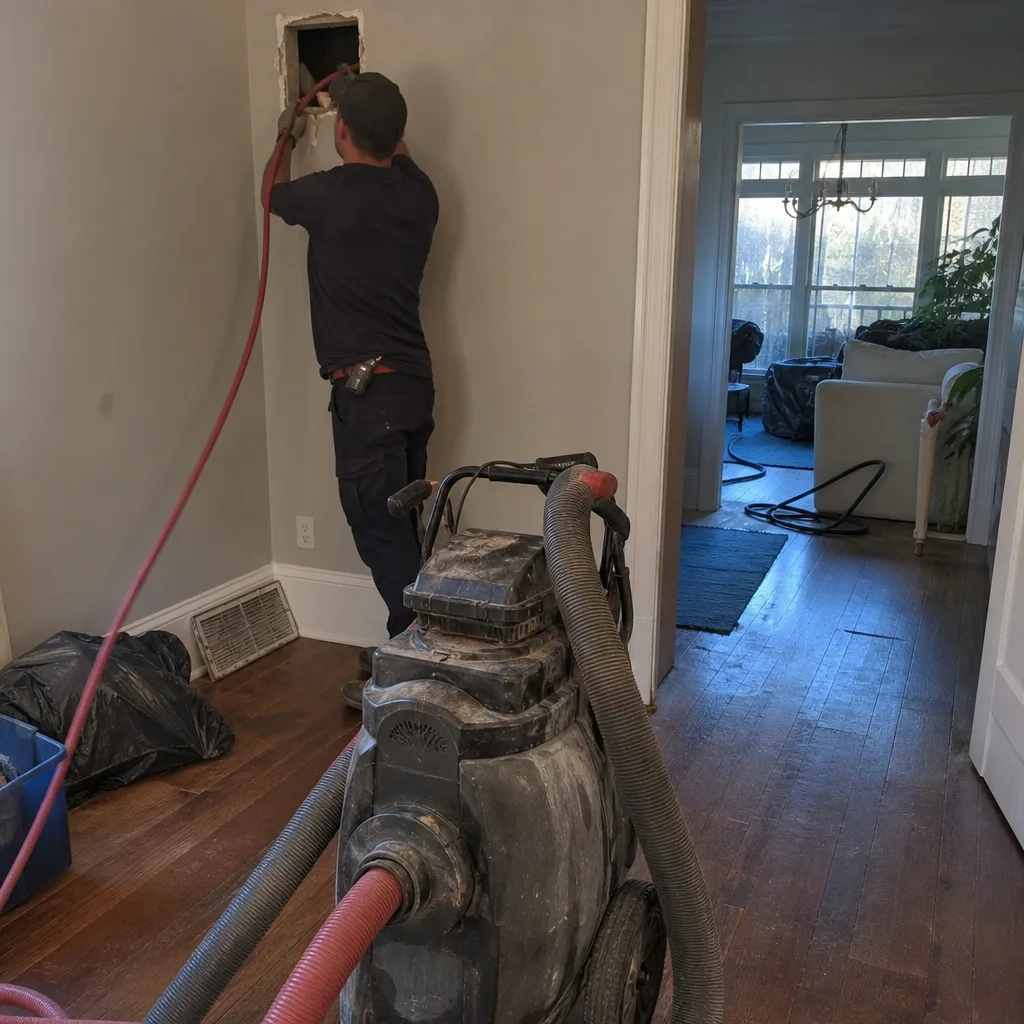 Before
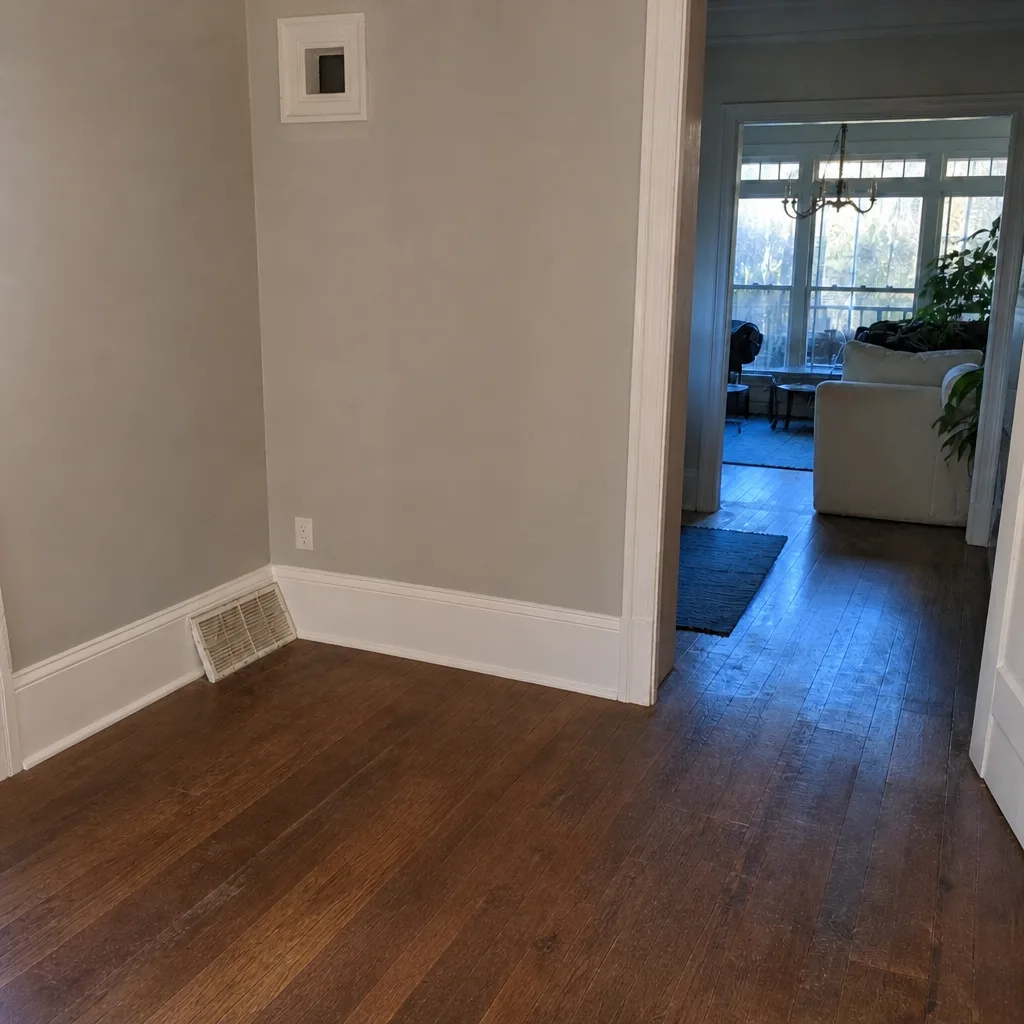 After
When to Call a Professional
Some seasonal signals are clear enough to skip the wait. A musty smell that appears the first time the heat runs in fall, a visible dust plume from a supply register when the system starts, a recent renovation that filled the house with drywall dust, a new baby in a home with older ductwork, or a system that just isn’t keeping rooms comfortable like it used to. Persistent allergy symptoms that track with the HVAC cycle rather than the outdoor season are another strong signal. If you’re seeing any of these and the calendar says it’s not time yet, trust the signal. Air Duct Cleaning Midtown offers free estimates in Midtown, and the estimate is written per system before any work starts. Call (844) 605-0607. We answer 24/7. Fast dispatch from 7am to 7pm, Sunday through Friday.
Frequently Asked Questions
Once per year is a reasonable baseline for most Midtown homes, timed to late spring when pollen and the previous cooling season’s organic load are at their highest. Homes with pets, recent renovations, allergies, or heavy summer humidity exposure often need an extra cleaning between the two main seasonal events.
The smell is settled debris re-suspending when the system switches from cooling to heating mode. Warm, dry air moving through duct interior walls lifts the settled organic load, and the smell is that load being distributed into the house. A pre-heating-season cleaning removes it before it distributes. Call (844) 605-0607 for an exact quote; estimates are free.
MERV 8 to MERV 11 is a sensible range for most Midtown residential systems. Higher ratings catch finer particles but add static pressure that can starve older equipment. If the system can handle higher filtration, a purpose-built filter cabinet like an Aprilaire unit supports it with less pressure drop than a slot filter.
It can, especially in a plenum or insulated supply trunk where a moisture source exists. Condensate pans that overflow, drain lines that back up, and supply boots that sweat all create the damp environment mold requires. Summer inspections look for those moisture sources first, because cleaning without fixing the wet spot won’t hold.
Every job is priced per system by a written estimate, so it depends on the size of your home, the state of the ductwork, and what the visit actually involves. You’ll get one flat price for the whole system agreed before work starts, and before-and-after photos of your own ducts so you can see what changed.
Yes, and that matters for seasonal service because the four problems are connected. Moisture damage in a supply boot ties back to duct sealing, blower contamination ties back to HVAC cleaning, and a full-service visit handles all of it in one appointment rather than four. Call (844) 605-0607 for an exact quote; estimates are free.
The Bottom Line
Midtown’s four seasons each introduce a different contaminant into the same duct system, and the right response isn’t one annual cleaning scheduled for whatever date fit the calendar. It’s pollen removal in late spring, moisture inspection in summer, transition cleaning in early fall, and fine-particulate attention in winter, plus filters that match your equipment and a full-system scope that catches duct leaks and dryer lint at the same time. Build that calendar, act on the signals the house gives you, and the system will run cleaner and breathe easier all year.
If you’re past the point of thinking about a service calendar and ready to see what’s actually inside the ducts, call us. Our technicians have up to 13 years of experience, we arrive with Rotobrush and Nikro equipment, and every visit includes before-and-after photos of your own ducts. Call (844) 605-0607 for a free estimate. We answer 24/7. Fast dispatch from 7am to 7pm, Sunday through Friday.
Written by the team at Air Duct Cleaning Midtown.